

Gyu-Kaku’s Global Success Story: A Case Study in International Expansion
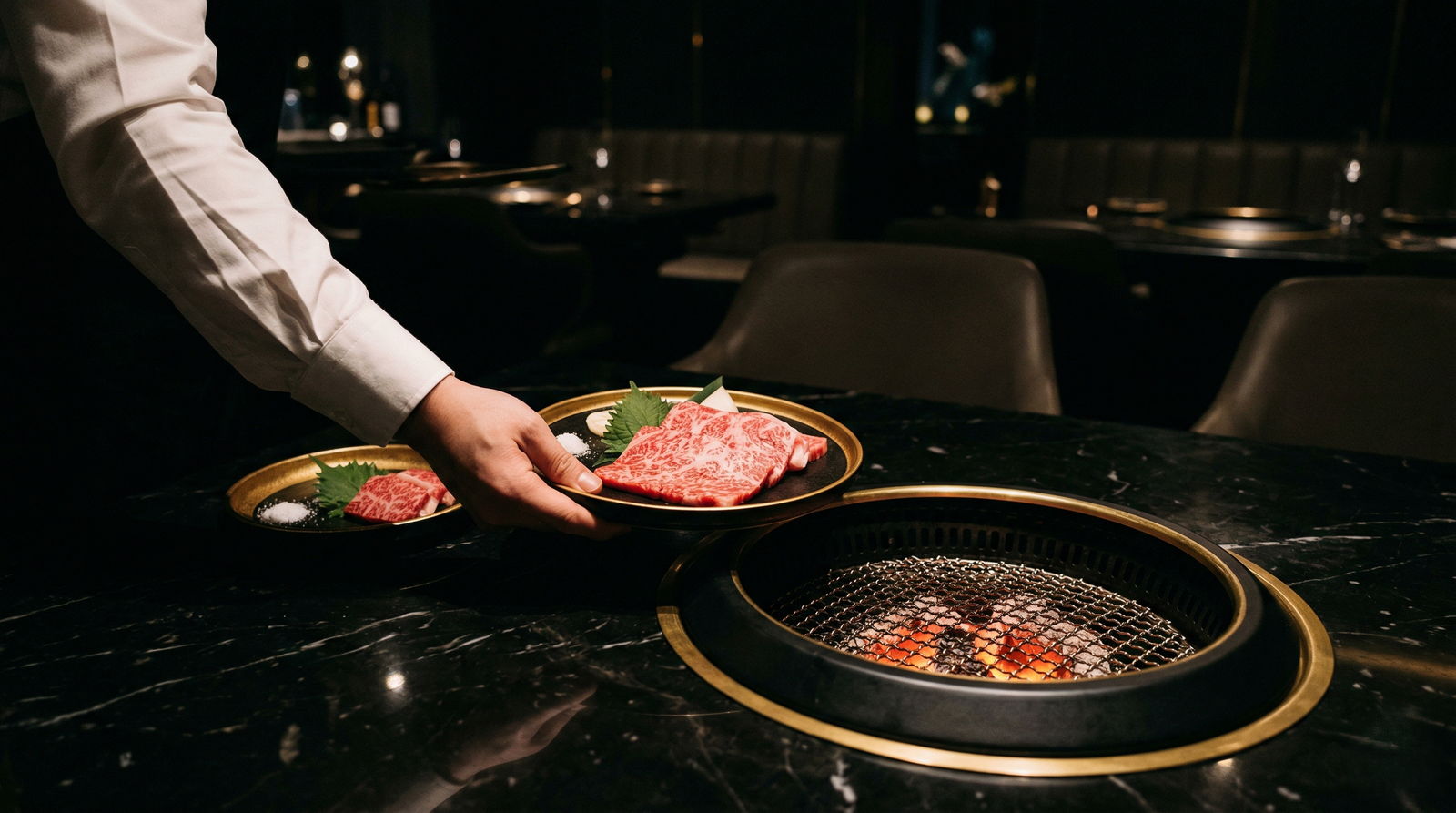
295 Locations. One Playbook.
Three Lessons.
① S'mores in LA.
Spices in Jakarta.
Still Gyu-Kaku.
In the U.S. market, one of the keys to success has been menu development that respects local flavor preferences and dining habits. At Gyu-Kaku USA, for example, original dishes such as Garlic Noodles and S'mores-style grilled marshmallow desserts—items not found on the menu in Japan—have become popular mainstays among local guests.
Research as of June 2025 shows that this fusion of "Japanese style + local elements" has been especially effective in attracting families and younger customers. In Los Angeles in particular, Gyu-Kaku has become so popular that lines form at dinner time, according to a JETRO article.
Rather than simply "pushing Japanese food" as-is, this approach functions as a proposal that blends naturally into local lifestyles. In Southeast Asia, for example, incorporating local spices and herbs can become a key differentiator. For operators entering new markets, the Gyu-Kaku case suggests that menu adaptation works best when it's market-specific — not a one-size-fits-all overlay.
② Omotenashi.
Taught in Every Language.
At its overseas locations, Gyu-Kaku places strong emphasis on hospitality from its staff, based on the thorough service training and manuals developed in Japan. At restaurants in California, for instance, detailed training is provided even to staff who do not speak Japanese. The company has devised ways to help local employees understand and put into practice the spirit of omotenashi.
※ "Omotenashi" is a Japanese concept of hospitality that emphasizes sincere, proactive care for guests, often anticipating their needs before they are voiced.
As a result, local customers frequently comment that they can "relax and enjoy themselves" and "experience the atmosphere of a Japanese yakiniku restaurant." This has led to higher ratings on social media and review sites, and there are reported cases where it has contributed to an increase in repeat customers, according to a PR TIMES release.
These efforts to maintain quality do more than simply ensure good service; they help firmly root "trust in Japanese brands" in local markets. For overseas franchise expansion, building a solid quality-control framework and robust training programs is essential. The perspective of nurturing diverse local talent is also critical, and this is where the gap between Gyu-Kaku and comparable chains tends to become visible.

customer loyalty.
Service quality ultimately defines the face of the restaurant. No matter how strong your menu is, if staff attitudes are poor, repeat visits will inevitably decline. Gyu-Kaku has clearly understood and addressed this.
At the same time, implementing omotenashi in places where the culture and language are completely different is no easy feat. But that challenge is exactly where success or failure is decided. For franchise owners and master franchisees, it is vital to invest in solid training systems and in ways to support and sustain local staff motivation.
I've seen operators pull this off cleanly. What they had in common — consistent training, clear escalation paths — is exactly what this case is tracking.
③ Show Up at the Festival.
Post the Grill. Earn the City.
In its overseas expansion, Gyu-Kaku focuses not only on restaurant operations, but also on building connections with local communities. In cities such as Los Angeles and Singapore, for example, its restaurants actively participate in local festivals and events, using yakiniku experiences to raise brand awareness.
The brand also invests heavily in social media marketing. Through Instagram and Facebook, it shares information on local best-selling menu items and in-store events. User-participation campaigns help draw attention, particularly among younger consumers.
These initiatives do more than simply deliver information to customers; they help people feel that the brand is familiar and close to them. The amplification effect of social media has contributed to acquiring new customers and retaining existing ones.
Communication built around local context — events, social platforms, visual language — appears to travel across markets, even when the food category differs.
steady local engagement.
In the markets I've covered, brands that skipped local events and relied on name recognition alone tended to stay invisible longer than they expected. The goal is for local residents to see you not as "just another Japanese chain," but as a natural part of their own city.
However, if social media is used carelessly, it can easily have the opposite effect. You need a delicate sense of how to communicate in a way that respects local culture and sensibilities. It is also important to create an environment where staff can post naturally and authentically.
For brands planning to expand overseas, this kind of steady fan-building is likely one of the keys to becoming a restaurant that customers love for the long term.
A closer look at Gyu-Kaku's franchise
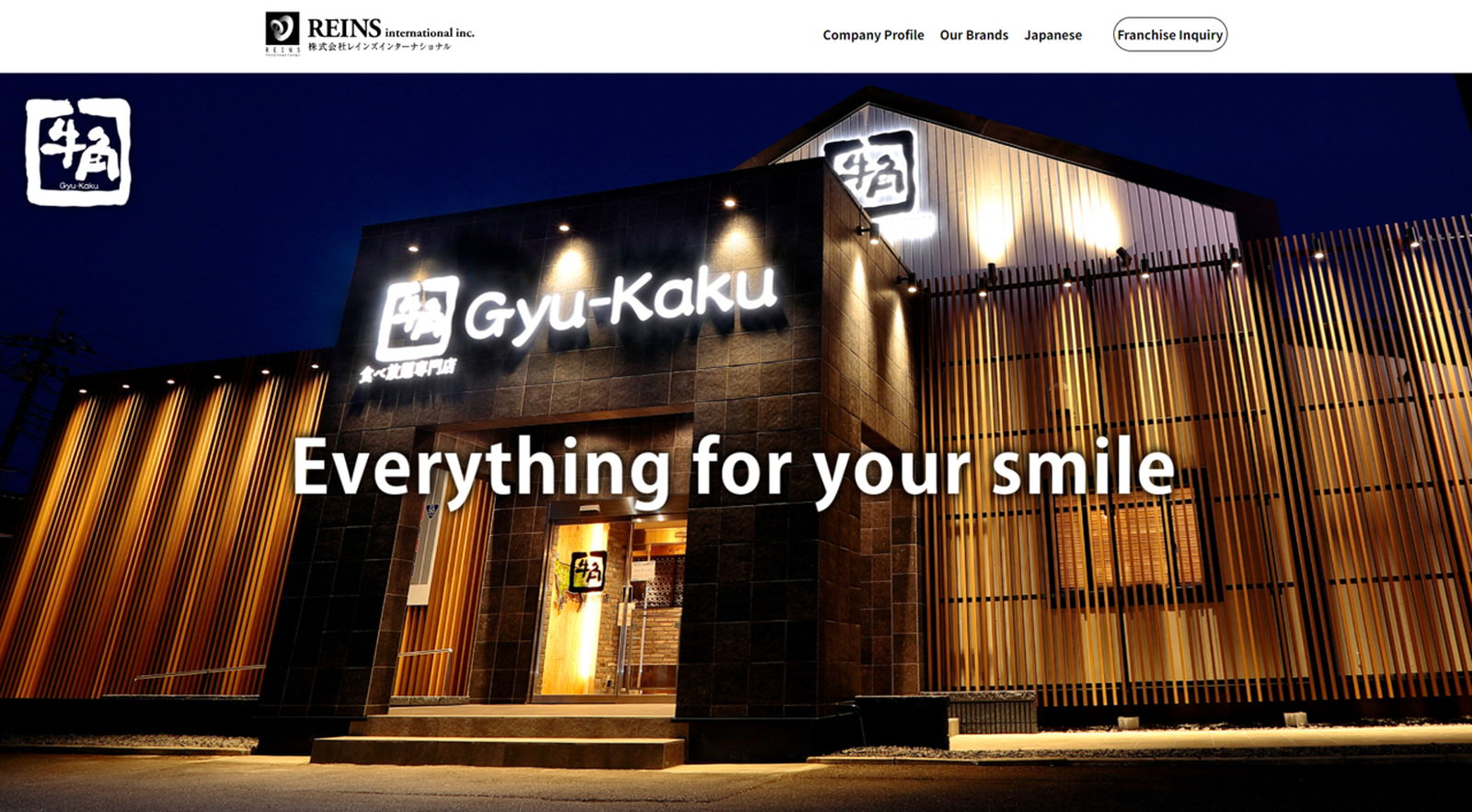
Gyu-Kaku
For those interested in Gyu-Kaku's overseas franchise opportunities, detailed information is available on the official website and franchise recruitment pages. There you can find extensive resources on market-specific strategies, support structures, and other key points for successful expansion.

Not So Much You Disappear.
This is a really interesting point. Expanding overseas does not mean simply transplanting Japanese flavors as they are; the key is how you blend them with the local palate. What is required is a sense of balance that respects local food culture while still conveying what makes Japanese cuisine appealing.
At the same time, if you lean too far toward local preferences, you risk losing what makes Gyu-Kaku unique. In practice, where to draw that line has been the harder question for every brand I've seen attempt it. Even so, this kind of flexibility is what separated the brands that lasted from those that quietly exited — I've watched enough of both to say it's not a minor detail.
For those planning to enter overseas markets, it is worth keeping in mind the stance of "you don't have to change everything, but you should show respect for the local culture." That mindset will serve you well.