

Japanese Gyudon (Beef Bowl) Franchises

Fast, tasty, and affordable
Gyudon (Beef Bowl) franchises
Overseas expansion of Gyudon brands
Major Gyudon chains such as Yoshinoya now operate hundreds of locations worldwide, including in China, the United States, Southeast Asia, and beyond. Depending on the brand, they continue to expand through a mix of company-owned and franchised outlets.
Startup costs and barriers to entry
Because you do not need specialized equipment such as heavy-duty ventilation for yakiniku or noodle-making machines for udon, the initial investment threshold tends to be relatively low.
Operationally, most major brands use a central-kitchen model in which the meat and sauce are prepared and supplied by headquarters. This means that in-store tasks mainly consist of heating and plating. As a result, there is no need for highly skilled chefs, and even local staff with no prior experience can be trained to deliver consistent quality in a short period of time—helping to keep labor and training costs under control.
Key success factors
Compared with sushi or ramen, gyudon franchises typically require lower upfront investment and do not depend on highly trained craftsmen. This combination of low operating costs and high table turnover creates a relatively low-risk, stable business model.
Thanks to this revenue structure and the concept’s adaptability to different markets, gyudon is well positioned to continue growing within the global takeout and fast-food segments.
Japanese Gyudon (Beef Bowl) Franchise Brands
This section introduces Gyudon (Beef Bowl) brands with an established track record in franchising. For each brand, we summarize their current store footprint, key characteristics of the franchise model, brand story, and user reviews from different countries.
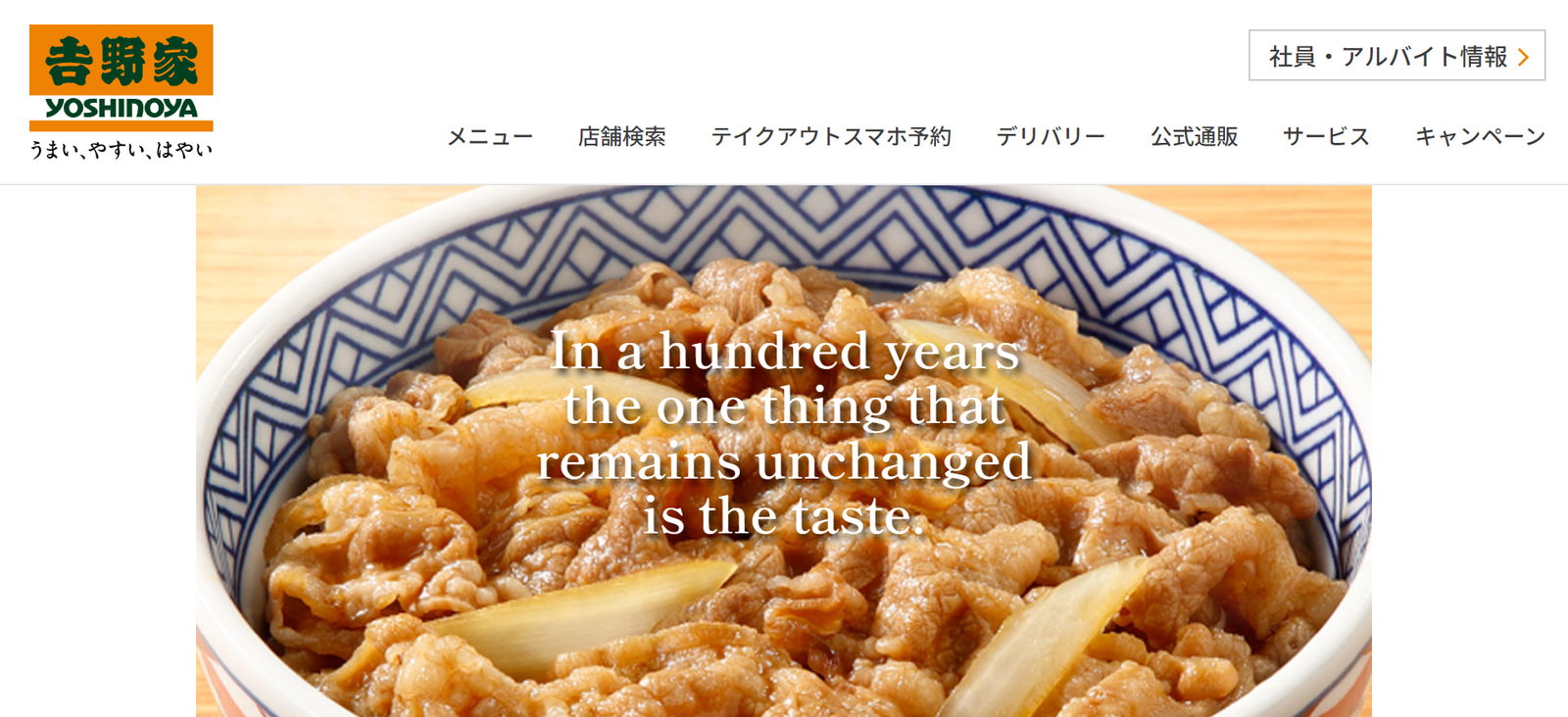
Yoshinoya
Founded in 1899, it pioneered the Gyudon concept to make affordable meals accessible. Over 1,000 stores operate across the US, China, and ASEAN.
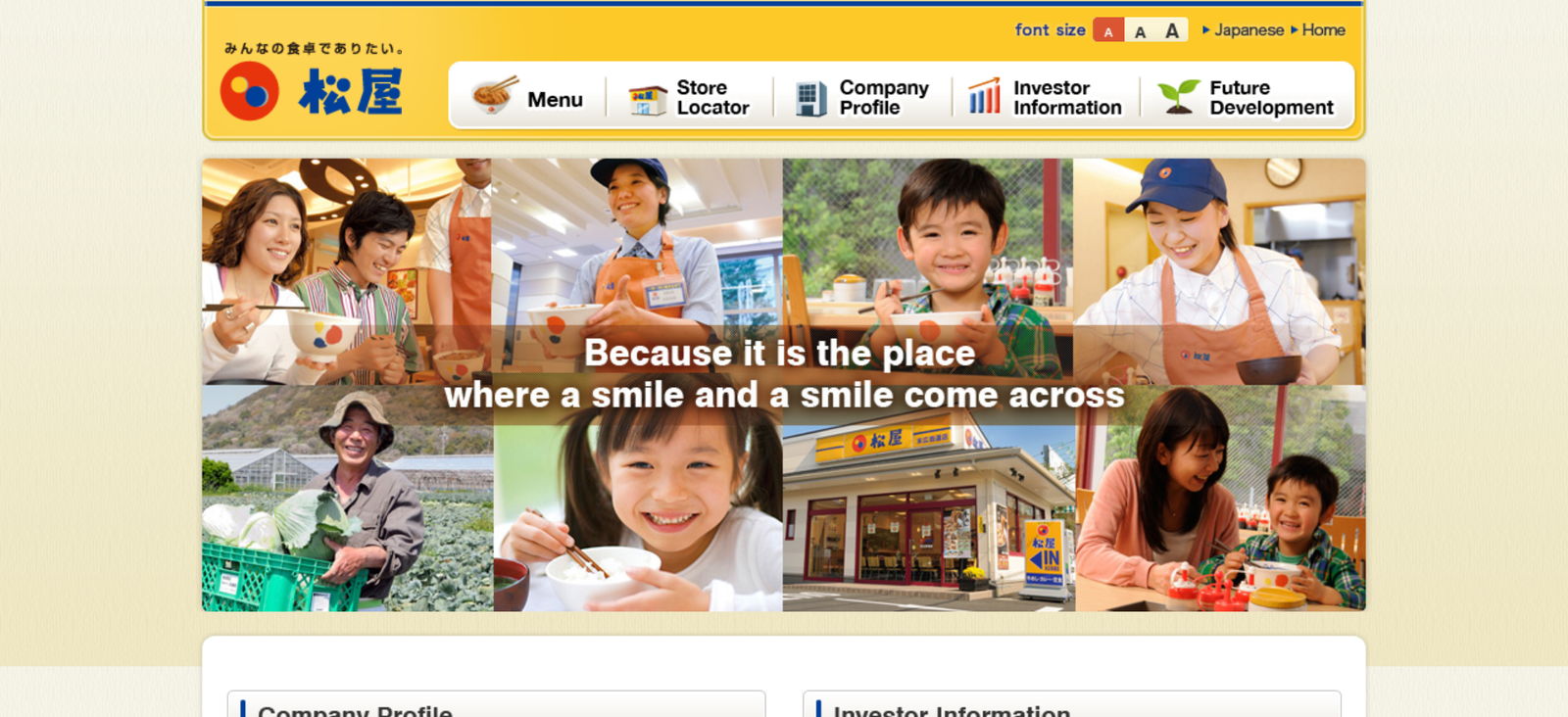
Matsuya
Founded in 1966, it expands across Asia using its Teishoku (set meal) format. Automated systems and high safety standards ensure efficient, reliable dining.
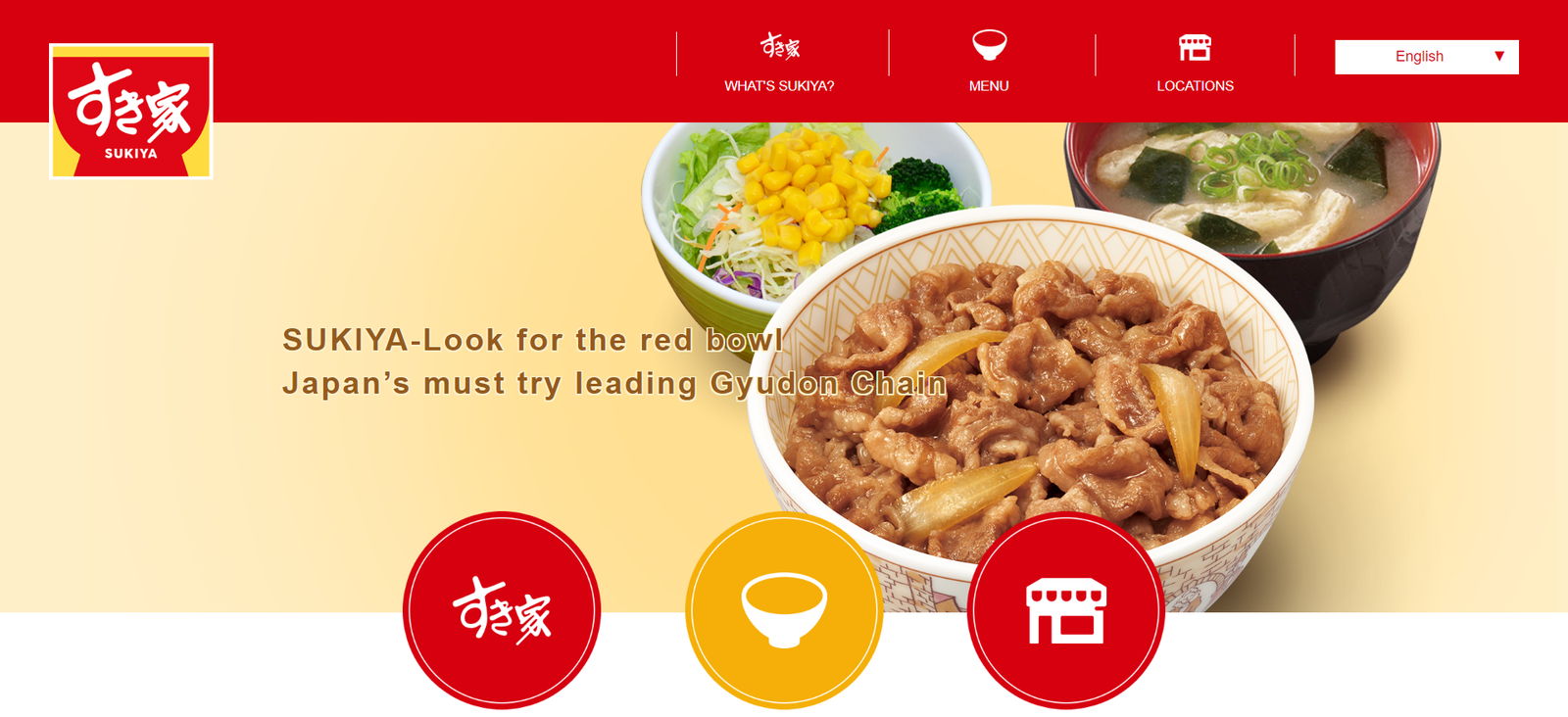
Sukiya
Founded in 1982, it pairs Gyudon with ramen to capture global demand. A vertical supply chain stabilizes operations across 650+ overseas stores.