

Kimukatsu
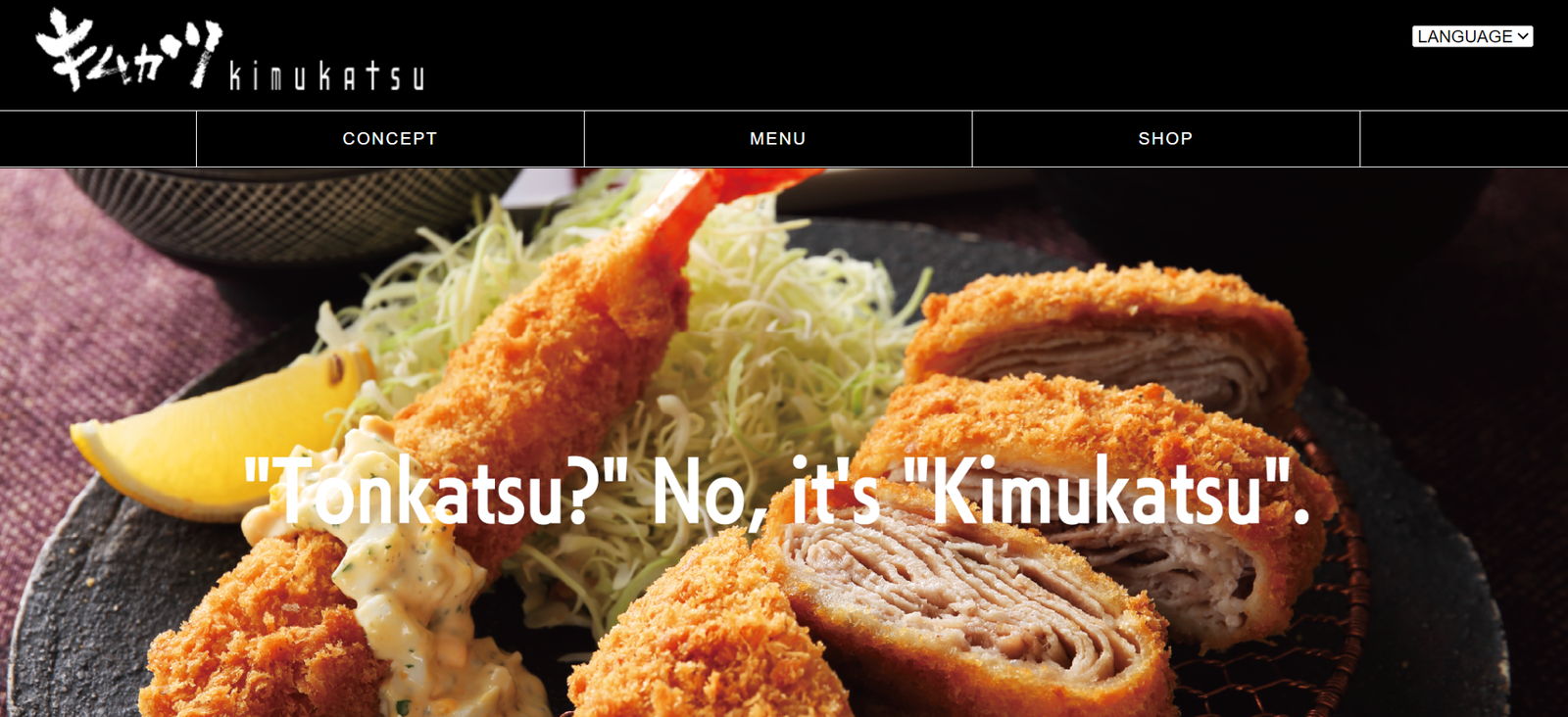
Kimukatsu is a premium Japan-born mille-feuille katsu brand founded in 2003, now operating 8 locations internationally. This page covers its overseas expansion status, key operational features, and franchise contract types for international operators.
Overseas Franchise
Expansion Status
| Products and Services Offered | Mille-feuille Katsu (25-layered pork), Flavored Katsu (Cheese, Garlic, etc.), and Freshly Steamed Rice. |
|---|---|
| Countries of Overseas Expansion | Indonesia, Taiwan (As of January 2026) |
| Number of Overseas Locations | 8 stores (As of January 2026) |
| Franchise Contract Type | Primarily Master Franchise and Licensing Agreements (Varies by country/region) |
25 Layers.
Premium Casual. Global Scale.
Established in Ebisu, Tokyo in 2003, "Kimukatsu" is a brand that introduced the mille-feuille approach to katsu — 25 thin slices of pork, stacked and fried.
In its global expansion, the brand has collaborated with established local partners, focusing on the diverse culinary landscapes of Southeast Asia, including the Philippines, Indonesia, and Thailand. Positioned as "Premium Casual Dining" within high-end shopping malls, it has drawn consistent interest from local families and upper-middle-class consumers, as the reviews reflect.
Key Features of
the Overseas Franchise
Swap the Meat. Keep the Method.
Enter the Market.
The most significant feature is the versatility of the layering process, which allows for the use of various ingredients. In regions where pork is not consumed, such as Halal markets, "Chicken Mille-feuille Katsu" has generated high demand.
Because this method maintains a juicy texture even with leaner poultry, it enables flexible product development tailored to local religions and cultures. This ability to optimize products according to market characteristics without depending on specific ingredients contributes to diversifying business risks in global expansion.
Premium Fillings.
Shareable Cross-Sections.
While typical katsu dishes rely on external sauces for flavor, Kimukatsu incorporates ingredients like cheese and garlic directly between the layers.
This "Internal Filling Method" provides a rich taste while maintaining the crispy texture of the batter, supporting a higher price point than standard katsu offerings. Furthermore, the visual appeal of seeing the ingredients from the cross-section has shown a consistent pattern of social media sharing across multiple markets.
Engineered for Tenderness.
Structurally Distinct.
Thick-cut katsu often faces challenges such as being tough or difficult to chew depending on the meat quality, but the 25-layer structure solves this issue structurally. The resulting tenderness—soft enough to cut with chopsticks—is embraced by all ages, from children to the elderly.
This characteristic makes it easy to attract broad demographics, including groups and families, contributing to stable table turnover rates. This product structure that has so far proven difficult to reproduce cheaply, which tends to keep the conversation away from price.
Reviews from Store Visitors
"The mille-feuille style pork cutlet is incredibly juicy and soft. I tried the Cheese flavor and it was melting in my mouth. Totally different from other dry tonkatsu places."
"Aside from the katsu, their rice is superb! It's shiny, fluffy, and served hot. The unlimited cabbage with their special dressing is also a winner. Great for family dinners."
"I love that you can choose different fillings inside the pork. Garlic and Black Pepper are my favorites. The set menu is very filling and worth the price."
"Even though it's deep-fried, it doesn't feel heavy at all. The batter is light and crispy. High quality Japanese food in the mall."
Kimukatsu
Company Information
| Brand Name | Kimukatsu |
|---|---|
| Company Name | Asrapport Inc. (KOZO Holdings Group) |
| Head Office Location | 1-5-6 Nihonbashi Kakigaracho, Chuo-ku, Tokyo, Japan |
| Date of Establishment | April 2003 |
【Quick Poll】What's driving your interest in a Japanese food franchise?
※ Click to see how others voted.



What the reviews keep returning to is tenderness — not just the pork, but the chicken version in Halal markets as well. That consistency across different core ingredients is worth sitting with. When a technique holds up regardless of what's layered inside it, the method becomes more durable than any single sourcing dependency.
The cross-section has become something of a shared language across markets — reviewers in Manila, Jakarta, and Bangkok photograph the same moment. Whether that consistently translates into lower acquisition costs is harder to measure, but it suggests the product earns a kind of attention that doesn't have to be paid for.