

BOTEJYU®
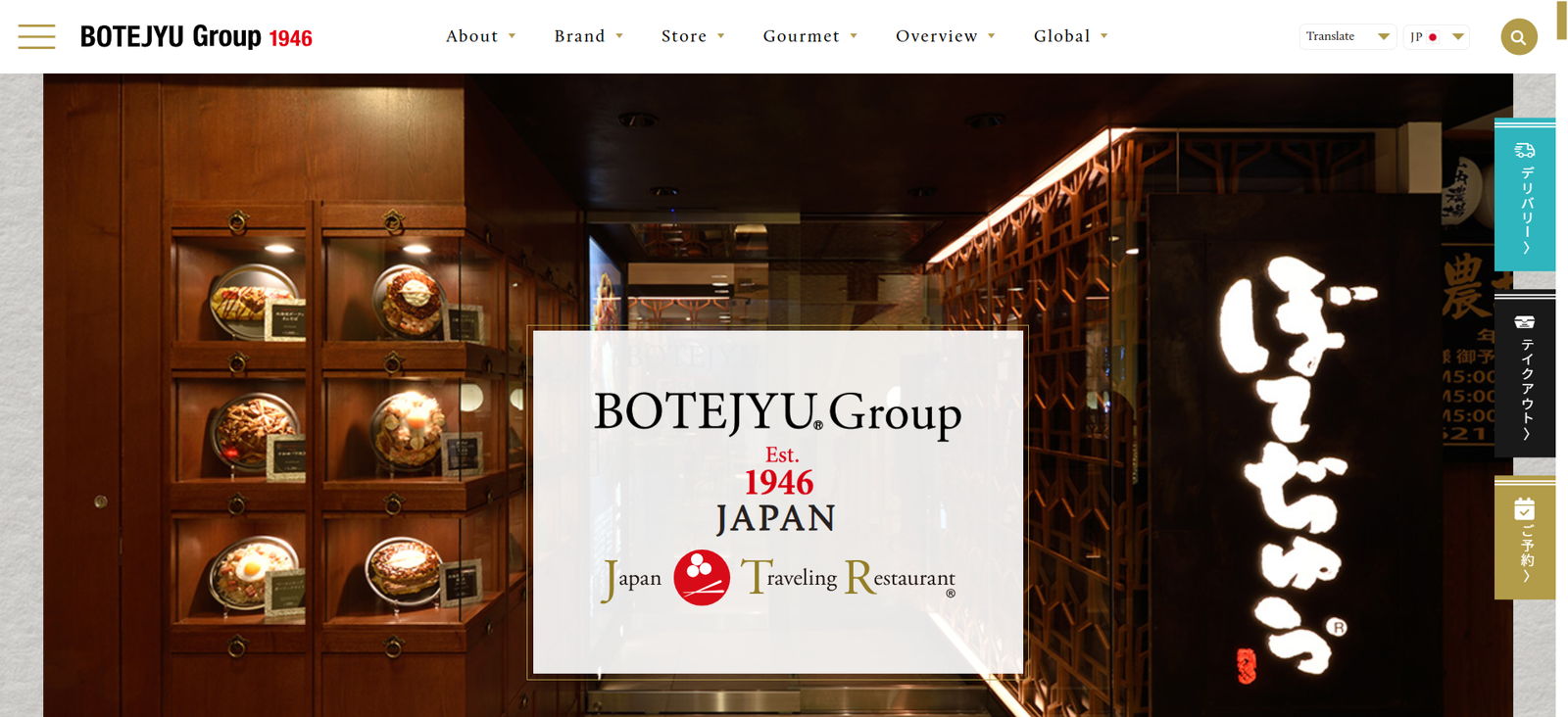
BOTEJYU® is a Japan-born okonomiyaki and teppanyaki brand founded in 1946, now operating over 98 overseas locations, primarily in Asia. This page covers its overseas expansion status, key operational features, and franchise contract types for international operators.
Overseas Franchise
Expansion Status
| Products and Services Offered | Okonomiyaki, Modern-yaki, Takoyaki, Teppanyaki, Ramen, Rice Bowls, Regional Gourmet Foods, etc. |
|---|---|
| Countries of Overseas Expansion | Philippines, Vietnam (As of January 2026) |
| Number of Overseas Locations | Over 98 stores (As of January 2026) |
| Franchise Contract Type | Master Franchise / Area Franchise / Joint Venture (JV) |
Osaka, 1946.
The Philippines, 90 Stores.
Then Vietnam.
Founded in Osaka in 1946, BOTEJYU® is credited with establishing the style of combining okonomiyaki with mayonnaise and developing "Modern-yaki." Backed by brand recognition cultivated over a history of more than 70 years, the company has now built a solid business foundation, primarily in Asian markets.
Particularly in the Philippines, it has built a network of over 90 stores, making it one of the more established Japanese food chains in the market through partnerships with local partners. Its strategy of providing "authentic quality" at everyday price points has garnered stable support from local families and younger demographics.
Key Features of
the Overseas Franchise
All of Japan's Regional Flavors.
One Restaurant.
The uniqueness of BOTEJYU® lies in its concept of a "Japan Traveling Restaurant," which goes beyond okonomiyaki to cover local gourmet foods from all over Japan.
By collaborating with certification bodies in various regions, the brand provides a one-stop shop for highly recognized regional menus such as yakisoba, fried chicken (karaage), and ramen. This diverse product lineup prevents "boredom" compared to single-menu specialty stores and improves visit frequency. This mechanism promotes repeat usage through a wide range of options, making the model less dependent on any single product performing well.
Local Alliances.
Prime Real Estate.
Supporting rapid store openings in the Philippines and other areas is collaboration with partner companies well-versed in local business practices and real estate conditions. By cooperating with organizations that know the market inside out, the brand has established a system for swift expansion into prime locations in major shopping malls.
Furthermore, while maintaining the core quality of the brand, menu adjustments are flexibly made to suit local food cultures. Product strategies optimized for regional characteristics, such as strengthening teppanyaki and rice sets in areas with strong rice-eating cultures, support consistent performance across different markets.
One Brand.
Every Location Type.
In addition to the mainstay "BOTEJYU®," the company possesses multiple store models, including the ramen-specialized "BOTEJYU® Ramen House" and quick-service formats for food courts.
This allows for the deployment of optimal formats tailored to location conditions, from high-end commercial facilities to suburban food courts. This flexibility means the brand isn't limited to a single location type — which tends to matter more as franchise networks scale across different market tiers.
Reviews from Store Visitors
"Just come and try it for yourselves... So yummy! No words can describe it. Everything was succulent.. For sure you will come back to this restaurant"
"I tried Botejyu in Megamall once and was satisfied with everything about the place: food price and serving, crew service, overall ambience,etc."
"Ordered a salad that was very delicious and different, because there's a mixture of fresh egg. But has a very good taste non like other salad."
"The food tastes authentic and the ambience is great. Though I kind of waited a little bit for food to arrive it was worth it. I love the jolliness of the people working here. Must try."
"Ordered Okonomiyaki and takoyaki as well japanese sushi rolls - they are good. I would come back again and try their other dishes."
BOTEJYU®
Company Information
| Brand Name | BOTEJYU® |
|---|---|
| Company Name | BOTEJYU® Group Holdings Inc. |
| Head Office Location | BOTEJYU® Group Bldg., 2-1-11 Kishinosato-Higashi, Nishinari-ku, Osaka, Japan |
| Date of Establishment | 1946 |
【Quick Poll】What's driving your interest in a Japanese food franchise?
※ Click to see how others voted.


One Brand.
Looking at local reviews, not only okonomiyaki and takoyaki but also sushi and unique salads are highly supported as "authentic tastes." The convenience of enjoying diverse Japanese foods in a single restaurant, combined with the staff's bright and sincere service, suggests the brand's breadth is landing as intended — not just as a novelty.
The "platform-type" model — adapting its assortment to what each market needs without anchoring to a single product — raises a question most regional-cuisine brands struggle with: whether that breadth can hold at franchise scale. Ninety-plus stores in the Philippines suggests it can. That, perhaps, is the detail worth sitting with.