

Japanese Teppanyaki & Steak Franchises

From everyday comfort food to premium dining
Japanese teppanyaki and steak franchises
Overseas expansion of Japanese teppanyaki and steak brands
Japanese teppanyaki, okonomiyaki, and takoyaki brands — including Botejyu and Pepper Lunch — have established overseas locations across Asia, the United States, and Europe.
This category meets a wide range of customer needs, from casual, easy-to-enjoy snacks like takoyaki to refined premium dining experiences where wagyu beef is grilled right in front of guests.
Startup costs and barriers to entry
Compared with formats such as ramen or curry, the initial investment tends to be higher due to the need for teppan griddles and other specialized equipment. However, if the concept does not involve cooking in front of guests, the required investment can be kept relatively low.
For teppanyaki restaurants where dishes are prepared right in front of customers, special table setups are required so cooking and dining can happen simultaneously. Interior design that creates a distinctly Japanese atmosphere also becomes an important factor.
Key success factors
A major attraction of teppanyaki-style dishes such as okonomiyaki and takoyaki is that these flour-based items typically have a low food cost. Their main ingredients—wheat flour, cabbage, and similar staples—are generally less expensive and easier to source locally than premium seafood for sushi or specialized ingredients such as ramen’s signature broths.
Because teppanyaki and okonomiyaki require specialized griddles and other equipment, barriers to entry are relatively high. The category hasn't yet produced a dominant global chain the way ramen has — brand recognition is still being built rather than defended, and higher equipment barriers have kept the field from getting crowded quickly.
Japanese Teppanyaki & Steak Franchise Brands
This section introduces Japanese okonomiyaki, teppanyaki, and steak brands expanding through franchising. For each brand, we summarize their store footprint, key characteristics of the franchise model, brand story, and user reviews from different countries.
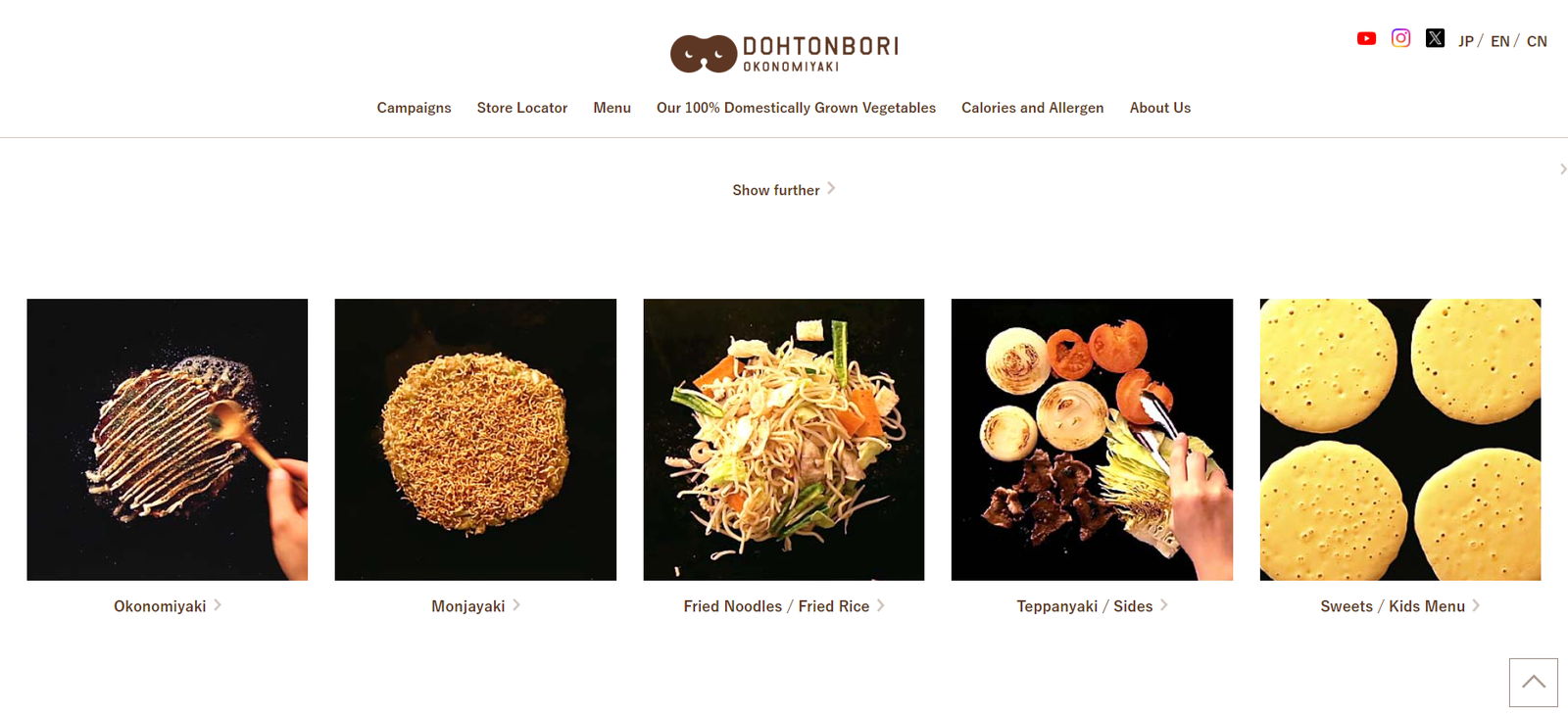
Okonomiyaki Dohtonbori
Tabletop okonomiyaki cooking and all-you-can-eat operations — a format that tends to support strong unit economics.
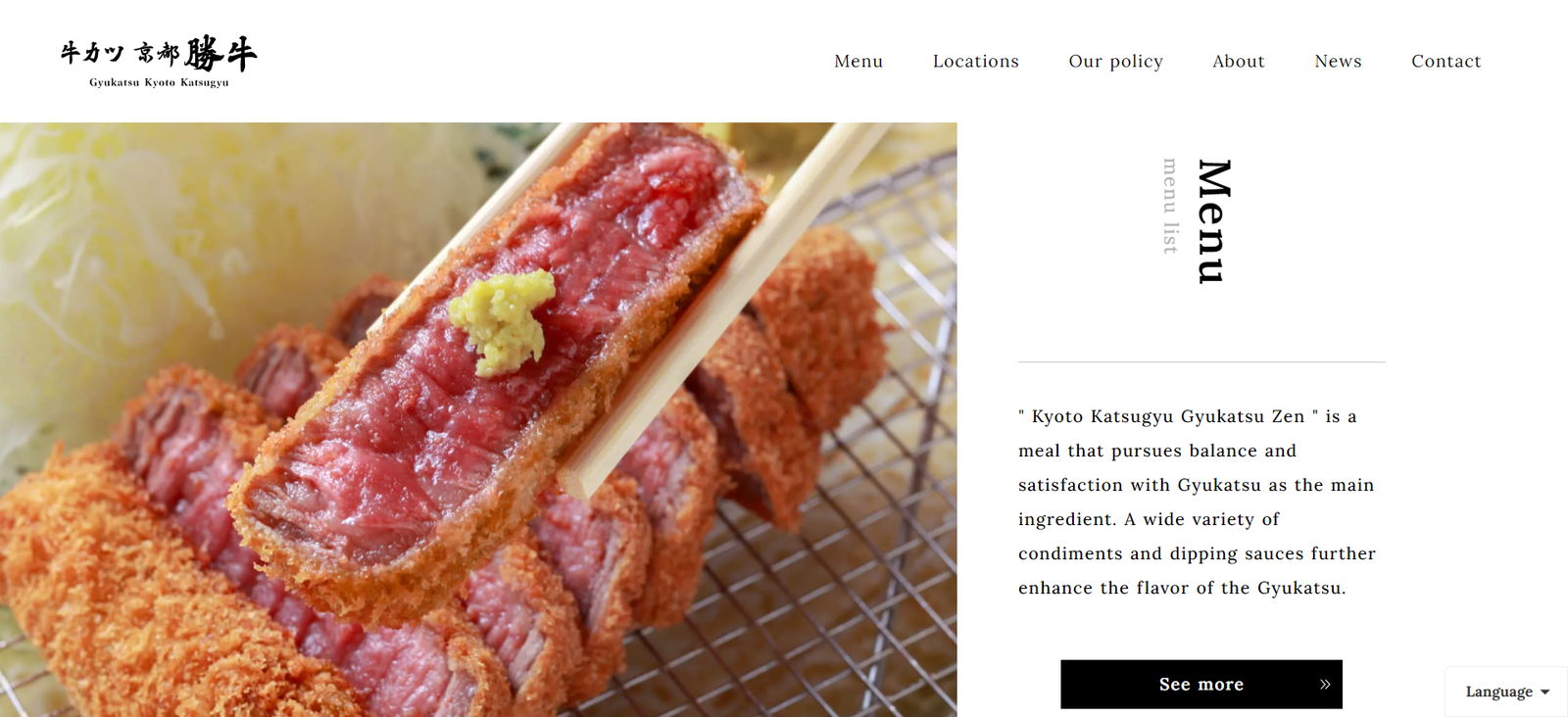
Gyukatsu Kyoto Katsugyu
Customers grill rare beef cutlets on tabletop iron plates — a self-cooking format that keeps operations lean.
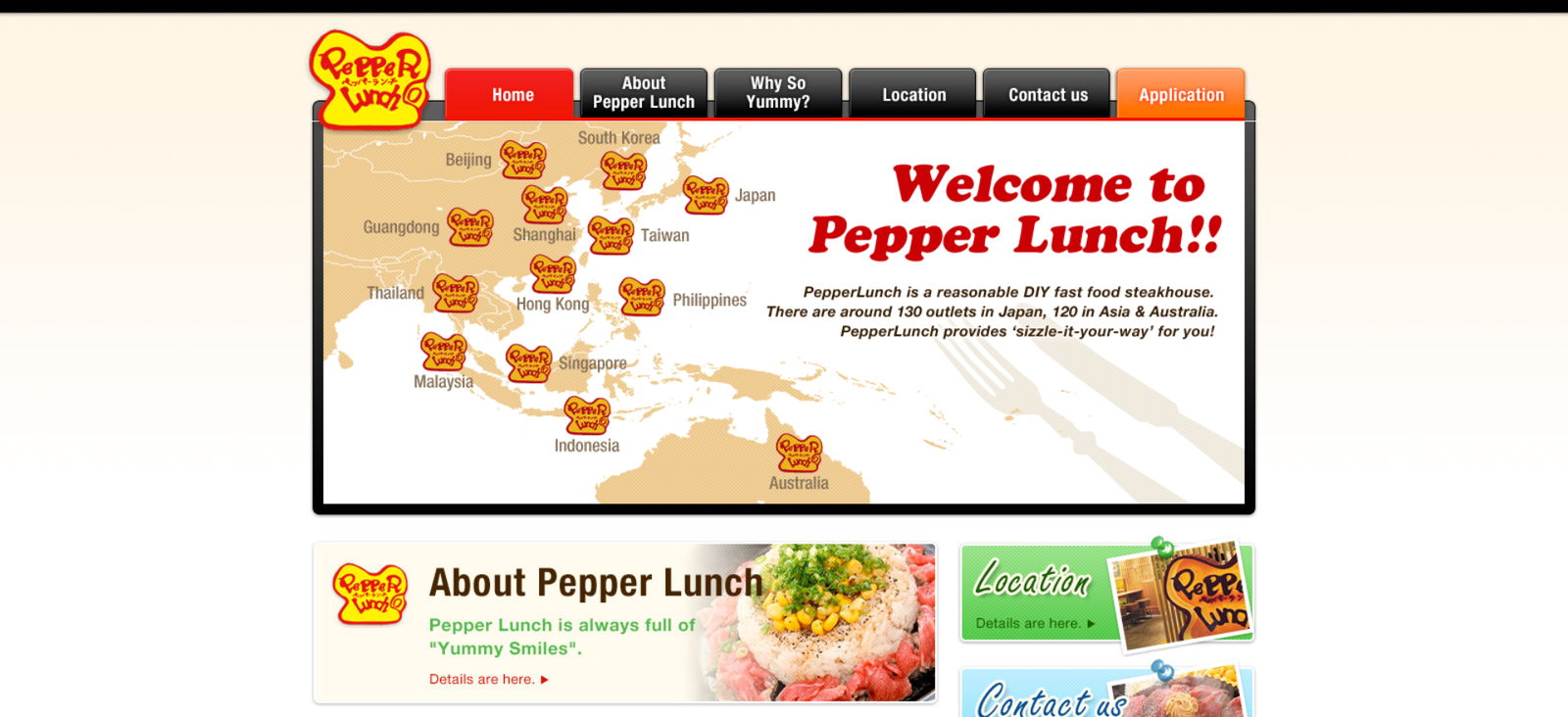
PEPPER LUNCH
A teppan steak franchise where self-cooking tabletop format tends to support high turnover and lean labor.
BOTEJYU®
An okonomiyaki and takoyaki platform with multi-format operations that adapt to different market sizes.