

Marugame Udon
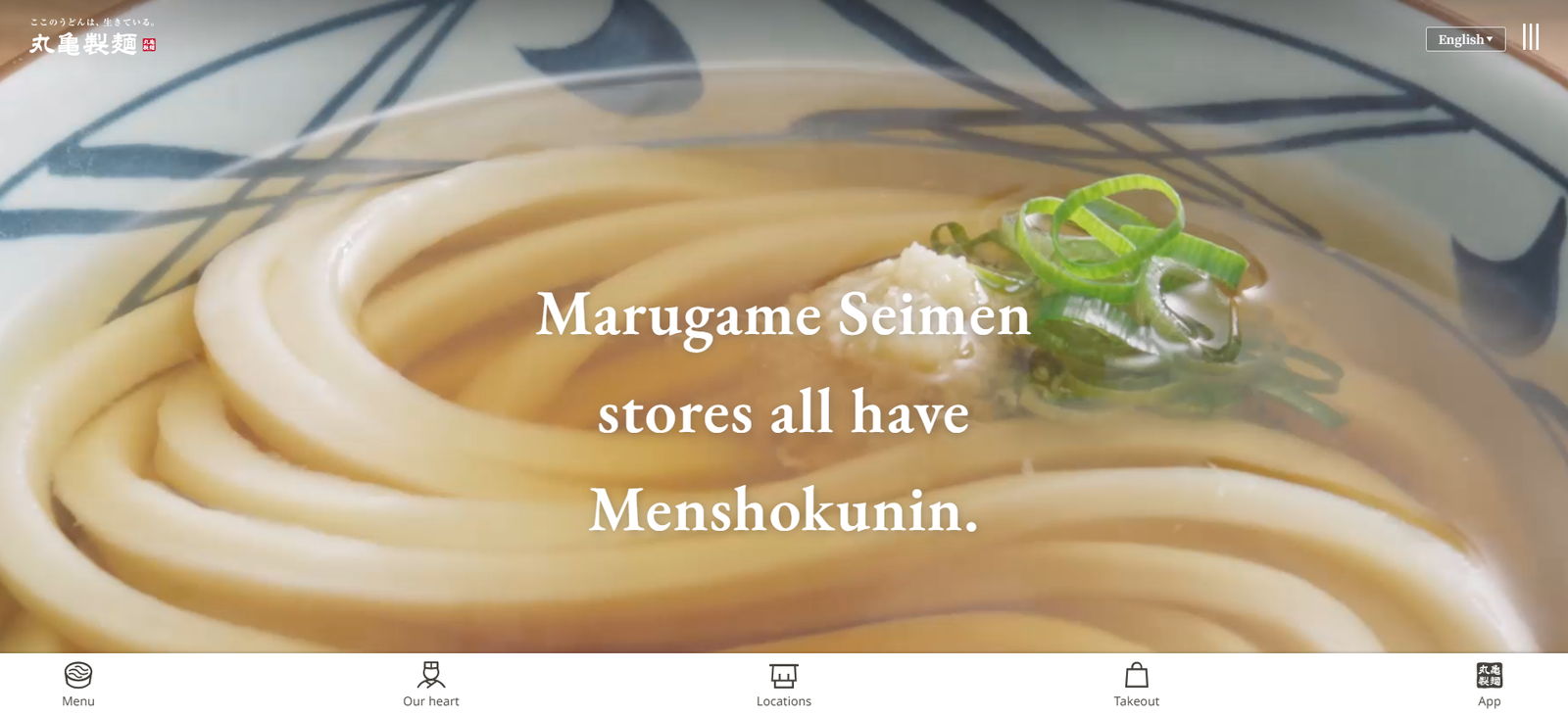
Marugame Udon is a Japan-born Sanuki udon brand founded in 2000, now operating over 1,000 locations globally, including 271 international stores. This page covers its overseas expansion status, key operational features, and franchise contract types for international operators.
Overseas Franchise
Expansion Status
| Products and Services Offered | Sanuki Udon, Tempura, Rice Balls, Donburi Bowls |
|---|---|
| Countries of Overseas Expansion | USA / UK / Indonesia / Philippines / Taiwan / Cambodia / Vietnam, and others (As of June 2024) |
| Number of Overseas Locations | 271 stores (As of June 2024) |
| Franchise Contract Type | Directly Managed / Joint Venture (JV) / Franchise (Varies by country and area) |
Made from Flour.
In Every Store.
In 271 Locations.
Marugame Udon, a Sanuki udon specialist widely established in Japan, has been aggressively expanding into international markets since the successful 2011 opening of its Waikiki location in Hawaii.
While mass production in factories is the industry norm, the brand operates on a model where noodles are made from scratch at every single location. The open kitchen style, where the process of crafting noodles from flour is fully visible, transcends language barriers to visually communicate product value, drawing consistent customer interest in markets such as London and the United States.
Key Features of
the Overseas Franchise
The Noodle Machine
That Does the Marketing.
A defining feature of Marugame Udon is the installation of noodle making machines in every store. By making the entire process—creating dough from flour, cutting the noodles, and boiling them—visible to the public, the brand adopts a system that shows the cooking process directly to the customer.
This performance style cooking atmosphere intuitively communicates freshness beyond language barriers. The visible craftsmanship tends to draw attention and encourage organic sharing in a way that paid advertising rarely replicates.
For operators evaluating this model, the key question is whether local staff can be trained to produce noodles to a consistent standard — and what the franchisor's training and quality assurance support looks like in practice.
They Carry the Tray.
They Add the Rest.
The brand utilizes a cafeteria style system where customers carry a tray, receive their main udon dish, and then self select side dishes such as tempura and rice balls.
The display of freshly fried tempura encourages instinctive additional purchases. While affordable udon serves as the core for attracting customers, the side dish display tends to push the order beyond the base udon through various combinations. Furthermore, by having customers handle serving and clearing their own trays, the model reduces the floor staff required for table service.
Vegan in London. Spicy in Jakarta.
Always Marugame.
While adhering to the core policy of on site noodle production, the brand develops soups and toppings tailored to the specific demands of each country's market.
From introducing vegan menus in the London market to providing spicy soups in Indonesia, the brand optimizes its offerings to suit local food cultures. This flexible approach to establishing the brand as a staple for daily dining enables sustained store expansion across diverse regions.
Reviews from Store Visitors
"We alway visit the Waikiki spot when we come to Hawaii I love the udon. So delicious. This time around we also tried the teriyaki. Was great too."
"Always a great experience. Fresh, fast, friendly and reliable. A go to for lunch while working. The line goes fast so don't let that stop you."
"Great tasting food! I got the curry udon. It was absolutely delicious! The service was super fast! Will definitely get again!"
"Delicious food, decent portions, fast service, friendly staff and great value! We visit most times we're in London. Great vegan options!"
"This was a lovely spot, especially in London, where it's so busy. You can really take your time and relax in here and just enjoy some nice warm udon."
Marugame Udon
Company Information
| Brand Name | Marugame Udon |
|---|---|
| Company Name | Toridoll Holdings Corporation |
| Head Office Location | 19th Floor, Shibuya Solasta, 1-21-1 Dogenzaka, Shibuya-ku, Tokyo |
| Date of Establishment | 1990 (Toridoll), 2000 (Marugame Udon) |
【Quick Poll】What's driving your interest in a Japanese food franchise?
※ Click to see how others voted.

Chosen at the Counter.
I've seen brands try to explain "fresh" through packaging copy or menu descriptions. What Marugame Udon does instead is put a noodle machine in the dining room. There is no explanation required. Watching dough become noodles — and then eating them — does something that a sign or a slogan simply cannot.
The cafeteria format, meanwhile, does something structurally interesting: it moves customers through the line while letting them choose their own sides. That self-selection tends to push the order beyond the base udon almost every time. Whether that dynamic holds across markets as different as Hawaii, London, and Jakarta — is, perhaps, what makes this model worth watching.