

Yakiniku Like
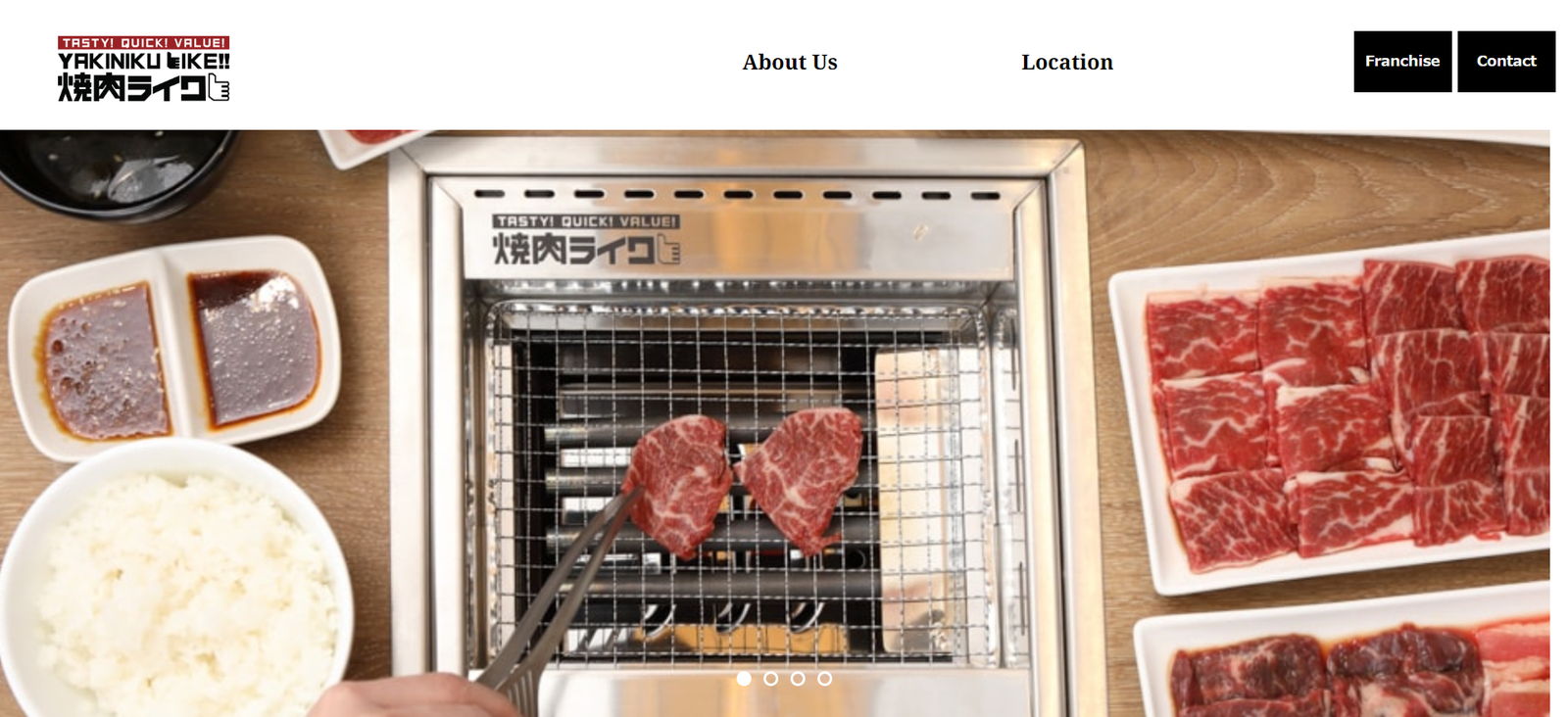
Yakiniku Like is a Japan-born yakiniku brand founded in 2018, now operating 130 locations across 11 countries. This page covers its overseas expansion status, key operational features, and franchise contract types for international operators.
Overseas Franchise
Expansion Status
| Products and Services Offered | Yakiniku meal sets (beef, pork, and chicken) prepared on individual smokeless roasters |
|---|---|
| Countries of Overseas Expansion | Indonesia, Hong Kong, Thailand, China, Singapore, Taiwan, the Philippines, Cambodia, Vietnam, the United Kingdom, and Australia |
| Number of Overseas Locations | 130 locations (as of December 2025) |
| Franchise Contract Type | Area franchise agreements / Master franchise agreements |
Japan's Solo BBQ.
Built to Scale.
Founded in Japan in 2018, Yakiniku Like introduced the concept of solo yakiniku dining — individual grills, set menus, fast-food pace. While traditional yakiniku restaurants typically follow a style where groups gather around a shared grill, this brand has achieved quick service and affordable pricing through its "yakiniku fast food" concept.
Since expanding into Taiwan in 2019, the brand has accelerated its international growth across Asia and the United Kingdom. Its store design, built around solo dining, fits a pattern increasingly visible in urban areas — the quick lunch, the solo after-work visit, the single-serve dinner.
Key Features of
the Overseas Franchise
No Chef. No Smoke. Full Margin.
The most distinctive feature is the smokeless roaster installed at every individual seat. This allows customers to grill meat at their own pace without sharing a grill with others. Furthermore, a powerful ventilation system minimizes the transfer of odors to clothing. This clean indoor environment comes up consistently across reviews — the Singapore reviewer noted it before the food itself.
3 Minutes to Table.
More Turns Per Day.
The menu primarily follows a set meal format, including rice, soup, and kimchi. The brand aims for a turnaround of approximately three minutes from order to service, reflecting its high operational efficiency. Customers can customize their experience by selecting the type and quantity of meat, as well as their preferred sauces, balancing convenience with personal choice. Overseas locations also offer meat selections tailored to local culinary preferences.
Fewer Hands. Faster Tables.
As a business model, it focuses on the thorough simplification of operations. Labor costs are reduced through the use of mobile ordering, self-checkout systems, and individual water dispensers at each seat. By creating an environment where staff can focus entirely on preparation and service, the brand maintains a high turnover rate even in compact spaces. This structure — fewer staff, faster table turns — makes the format workable in major international cities where real estate costs are high.
Reviews from Store Visitors
Yakiniku Like is different with any other grill restaurant. The grill and cooking experience feels like you are in Japan. 1 person got 1 stove and grill pan. The meat is very tasty , juicy and the ingredients is very suitable with Indonesian taste.
Came for the first time with my sister to eat some authentic japanese bbq. Was a great experience, worth the money and super quick service! I would fefinately reccommend getting a meat platyer each as sharing one meat platter may not be enough for two if you have a appetite. All platters come with rice, salad, ginger and miso soup complimentary so you dont need to buy them seperately
Very nice surroundings with not a yakiniku smell that gets into your hair and clothing. Good ventilated stoves. Excellent. Good eating, very low prices, don't miss it.
Beef well marinated, good enough to eat on its own after grilling. Individual grill set.variety of condiments.service prompt and efficient.enjoyable dining experience.
Really nice BBQ venue at a reasonable price. We ordered various meat combinations using QR code ordering system and food was delivered fast.
Yakiniku Like
Company Information
| Brand Name | Yakiniku Like |
|---|---|
| Company Name | Dining Innovation Investment, Inc. (and subsidiaries) |
| Head Office Location | Ebisu, Shibuya-ku, Tokyo, Japan |
| Date of Establishment | 2018 (Brand Launch) |
【Quick Poll】What's driving your interest in a Japanese food franchise?
※ Click to see how others voted.

What stands out about this model is not what it added, but what it removed. Individual roasters, QR ordering, self-checkout, seat-side water dispensers — each element reduces a point of friction that, in traditional yakiniku, required either staff time or shared equipment.
The result is a format where fewer hands run the kitchen and the dining room turns over faster. In markets where labor costs and real estate are both high, that combination may be precisely what makes this model worth a closer look.