

Japanese Teishoku (Set Meal) Franchises

Healthy Japanese home-style flavors
Japanese set-meal (teishoku) franchises
Overseas expansion of Japanese set-meal brands
Japanese set-meal chains such as Ootoya and Yayoi are already operating stores around the world, particularly in Southeast Asia and also in markets such as the United States.
They have established a clear position as providers of “healthy, reassuring Japanese home-style cooking,” which helps them build a stable base of repeat customers.
Startup costs and barriers to entry
Compared with gyudon or curry concepts, you will need a more complex kitchen setup that can handle both grilled and fried items, along with appropriate ventilation systems, so the initial investment generally falls in the mid to high range. On the other hand, the higher average spend per customer and the broad, varied menu make it easier to achieve stable earnings.
Operationally, headquarters typically supplies semi-prepared items from a central kitchen and provides efficient kitchen-layout plans. This allows local staff—even without advanced cooking skills—to serve multiple dishes at a consistently high standard.
Key success factors
This category offers added value in the form of a higher average spend per customer combined with nutritionally well-balanced meals.
The authentic appeal of “healthy Japanese home-style food” aligns well with global health-conscious trends, making this a franchise format with strong long-term potential rather than a short-lived fad.
Japanese Teishoku (Set Meal) Franchise Brands
This section introduces Japanese set-meal brands that are expanding through franchising. For each brand, we summarize their current store footprint, key characteristics of the franchise model, brand story, and user reviews from different countries.
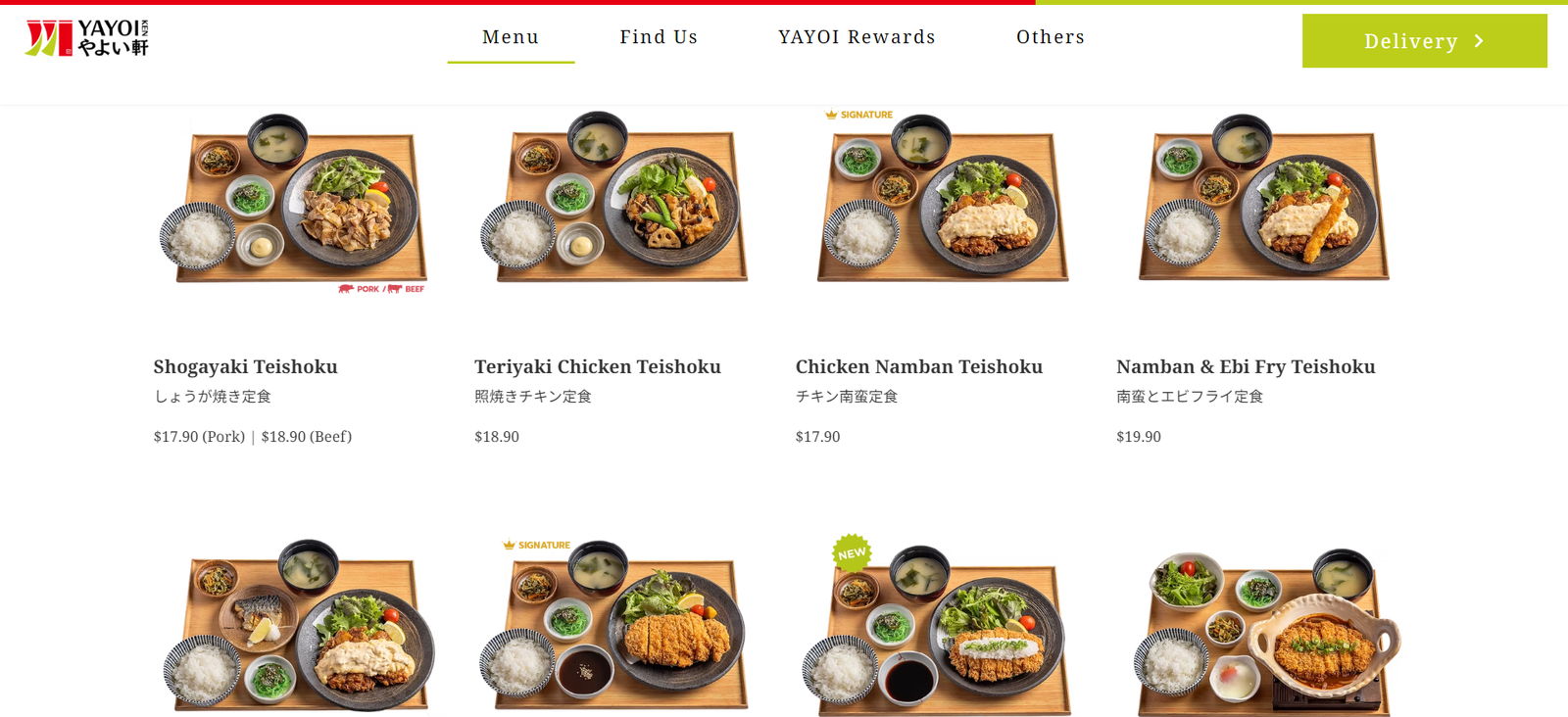
YAYOI
Targeting the middle market, it offers authentic Japanese teishoku. Tablet ordering and automated kitchens cut labor costs and boost seat turnover.
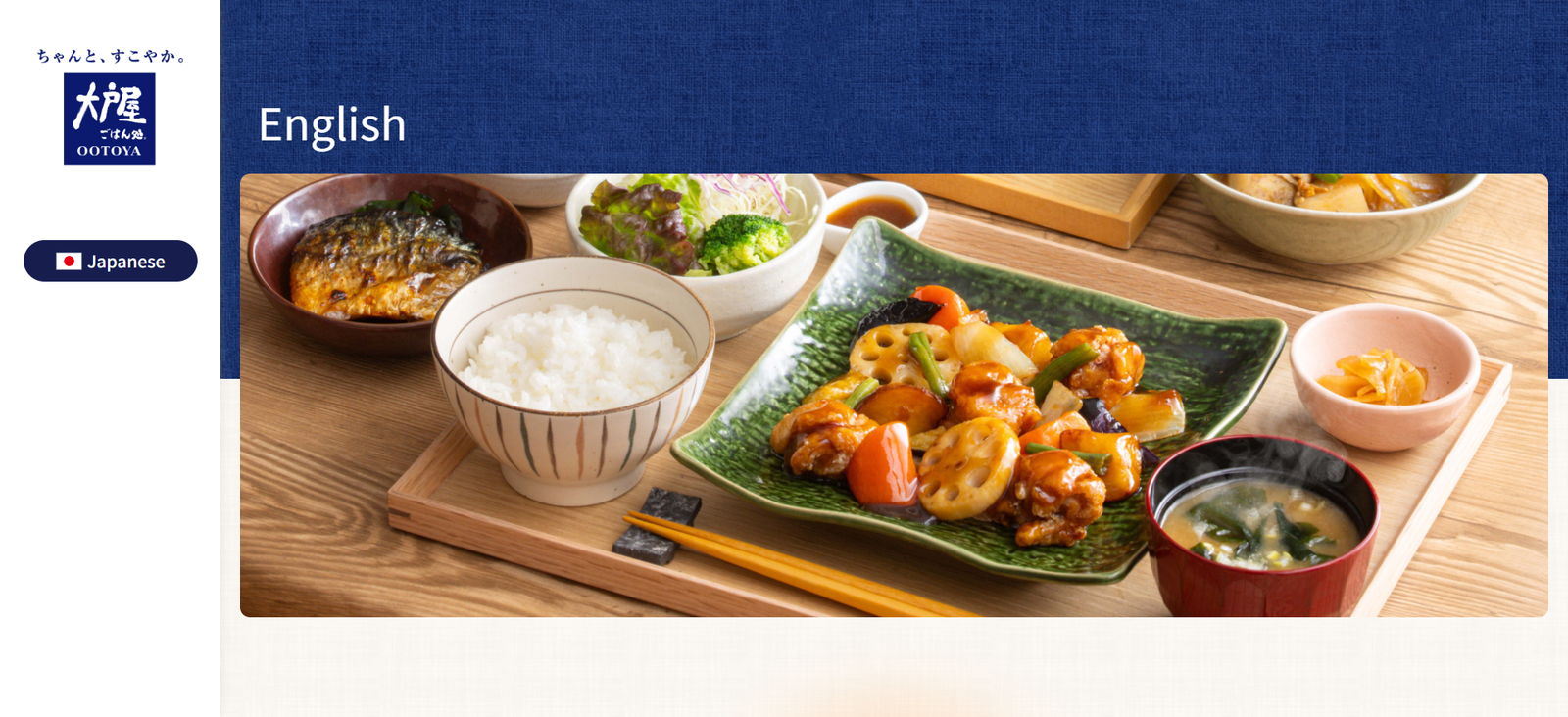
Ootoya
Delivering authentic teishoku via in-store cooking secures premium pricing. Hybrid procurement and diverse menus drive stable demand.

Maidoookini Shokudo
Delivering authentic teishoku in Taiwan and China. Live cooking and a cafeteria format build trust and drive cross-selling.