

Japanese Tempura Franchises
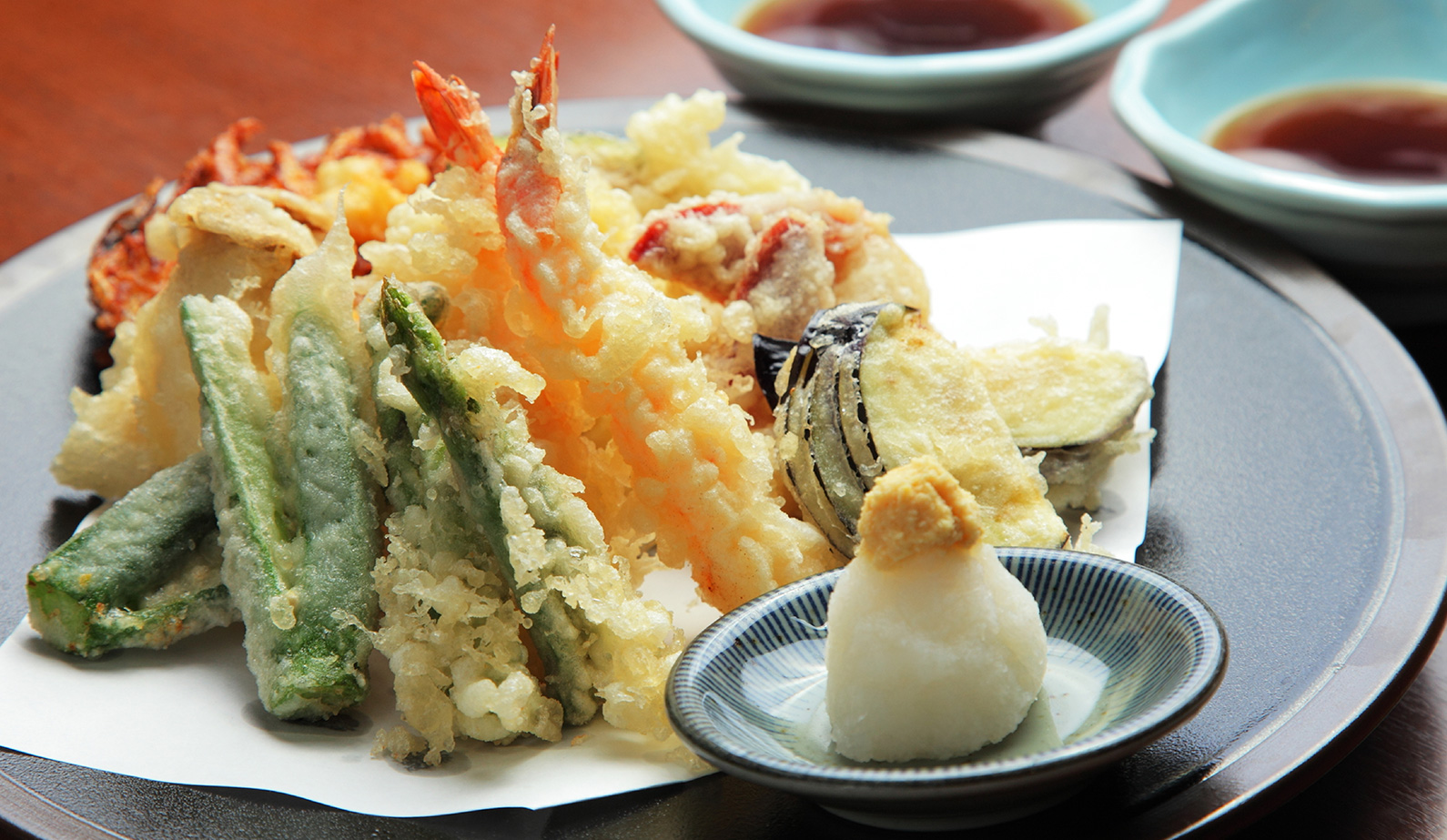
Healthy, crispy, and on the rise
Japanese tempura franchises
Overseas expansion of Japanese tempura brands
Major brands such as Tenya (Tendon Tenya) are rolling out franchises across a number of Asian markets.
The category is spreading globally in a variety of formats, from easy, everyday set meals and rice bowls to authentic, premium counter-style tempura. This diversity of concepts allows brands to target different customer segments.
Startup costs and barriers to entry
Compared with formats like gyudon or Japanese-style cafés, the need for fryers and strong ventilation systems means the initial investment level is generally in the mid to high range.
That said, you can rely on the franchisor’s experience and support. Headquarters typically standardizes frying techniques and provides guidelines for managing batter mixes and oil quality, enabling local staff to consistently deliver light, crispy tempura with an authentic Japanese taste.
Key success factors
While gyudon and curry are positioned as everyday meals, tempura occupies a middle ground—an affordable yet premium-feeling dining experience. Because you can create a sense of luxury and specialness, it is easier to set a higher average spend per customer.
Tempura ingredients can also be adapted flexibly, using locally sourced seafood and vegetables. This makes it relatively easy to tailor menus to local food culture and preferences—an appealing point for owners looking to localize while maintaining a Japanese brand identity.
Japanese Tempura Franchise Brands
This section introduces Japanese tempura brands that are expanding through franchising. For each brand, we summarize their current store footprint, key characteristics of the franchise model, brand story, and user reviews from different countries.
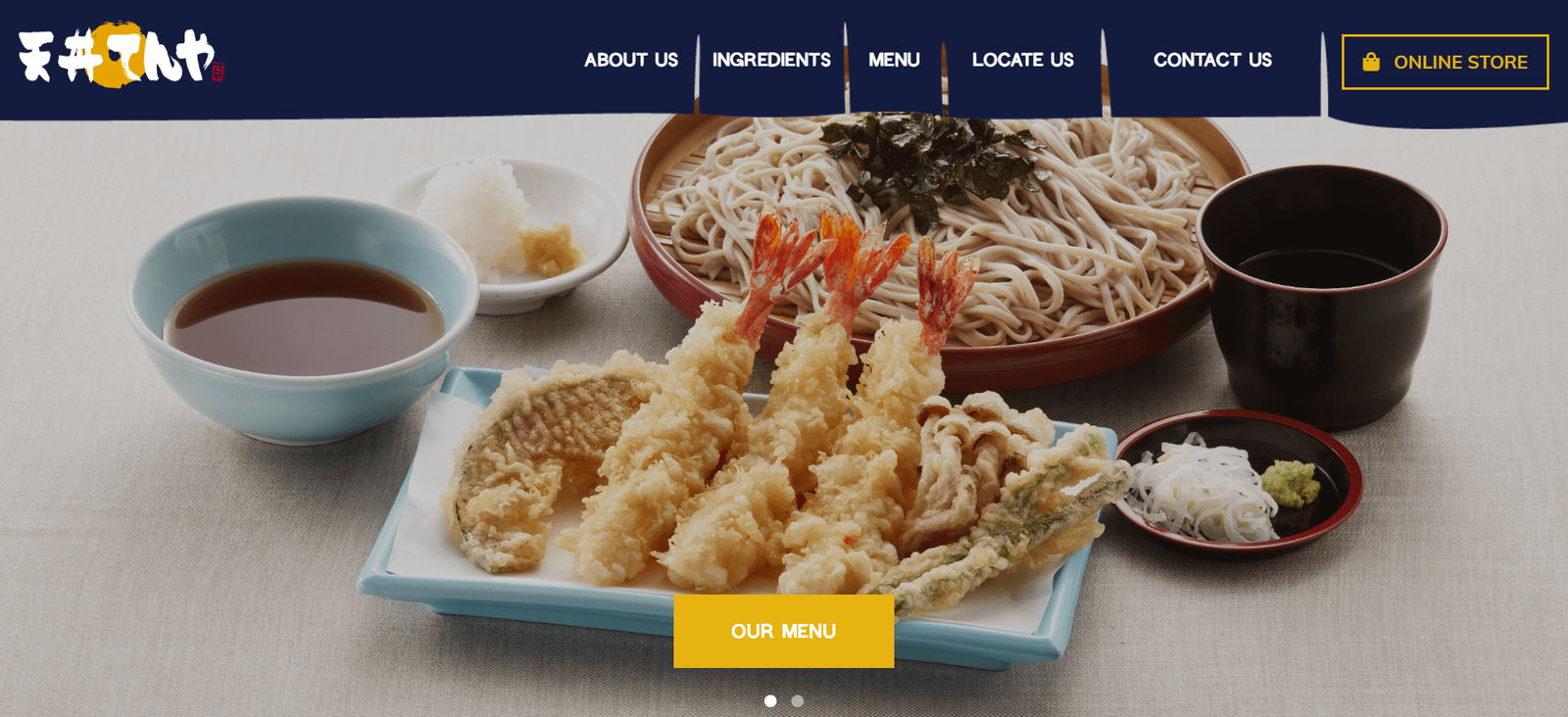
Tenya
Established in 1989, it scales traditional tempura via a fast-food model. Auto-fryers cut labor costs, while noodle set menus boost the average customer spend.
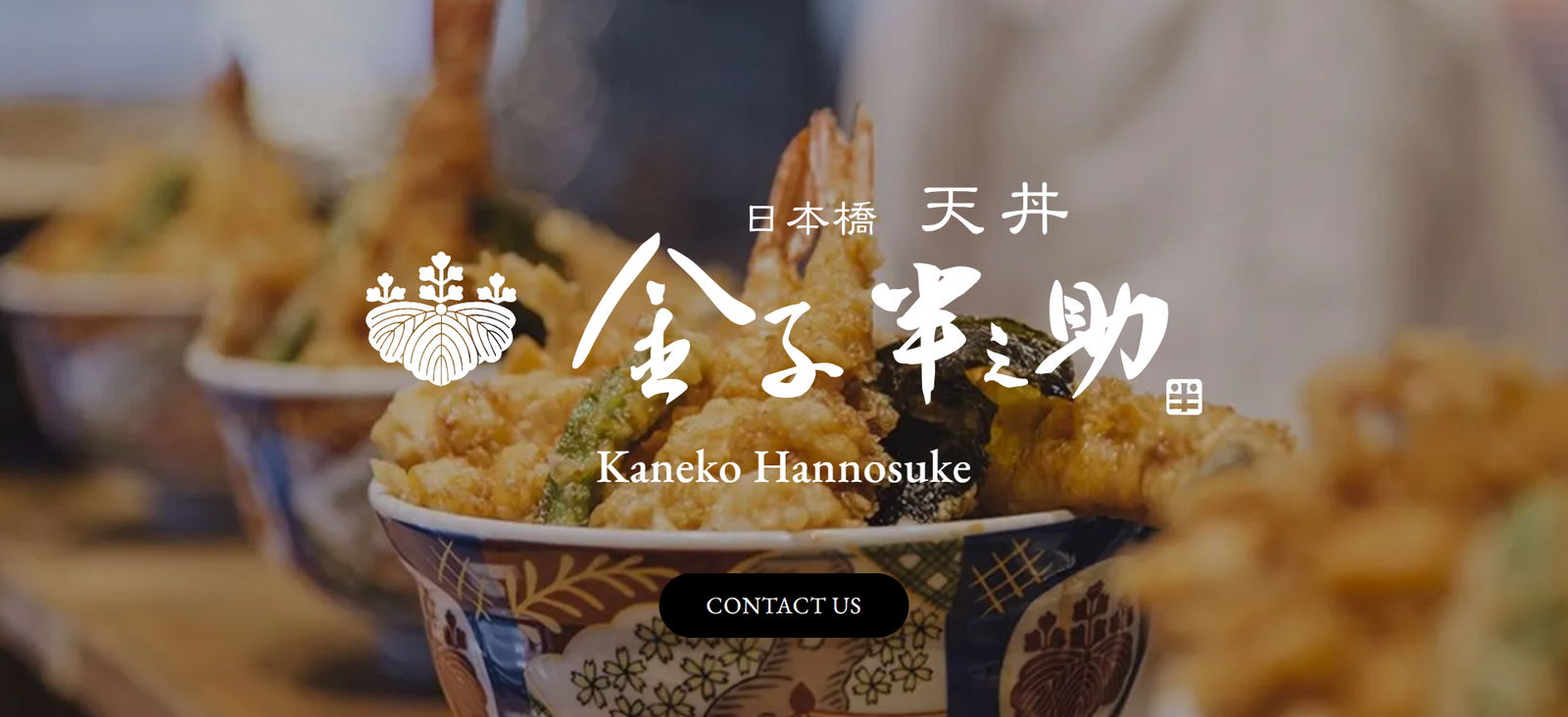
Kaneko Hannosuke
Bold presentations of Edomae tendon drive high average spend. A focused menu simplifies operations, and unique dining secures repeat business.

Tendon Kohaku
Fusing authentic tempura with local tastes captures diverse markets. A unique batter supports delivery demand, and 3D presentations secure premium pricing.