

YAYOI
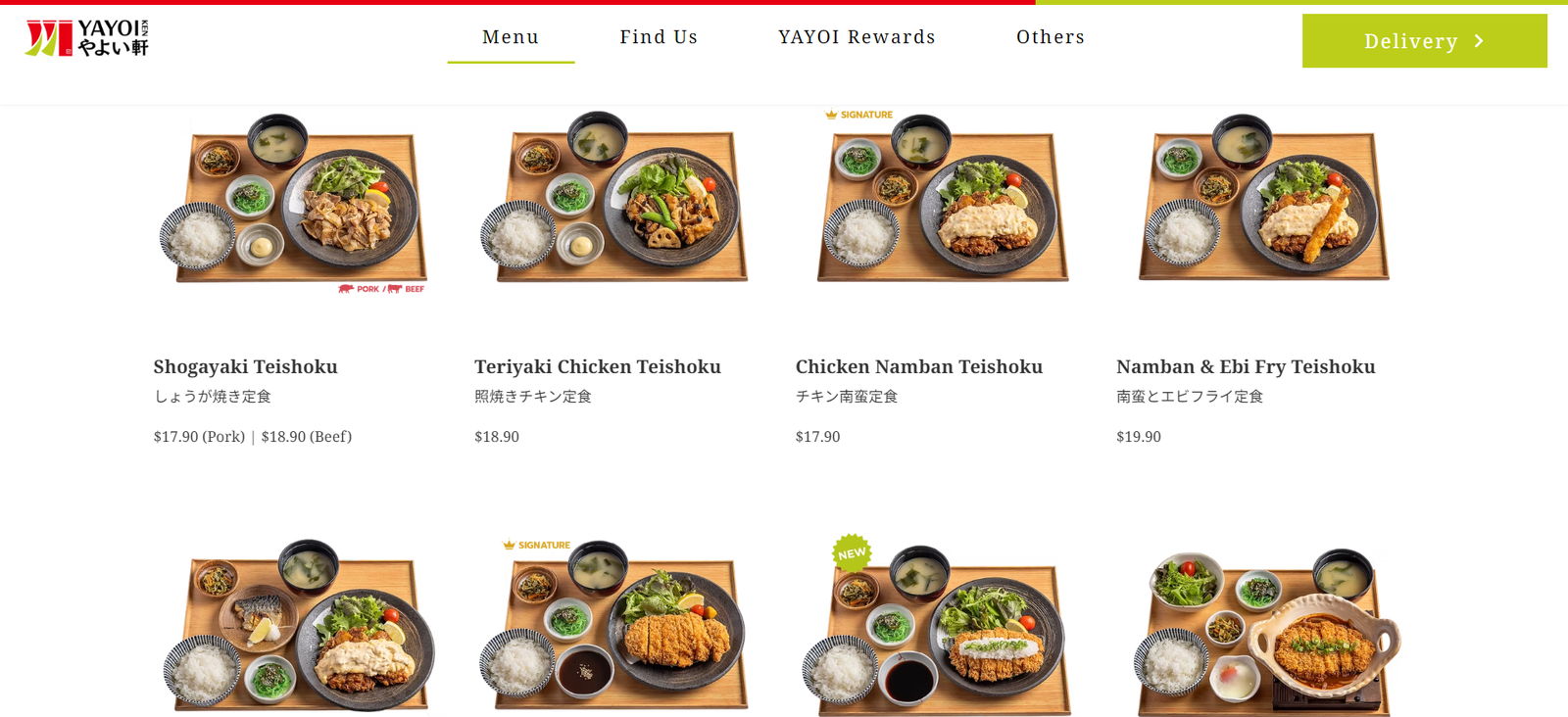
YAYOI is a popular Japan-born teishoku (set meal) brand founded in 1976, now operating approximately 250 locations in overseas markets. This page covers its overseas expansion status, key operational features, and franchise contract types for international operators.
Overseas Franchise
Expansion Status
| Products and Services Offered | Teishoku (set meals with fish, meat, and vegetables), donburi (rice bowls), udon noodles, and Japanese side dishes |
|---|---|
| Countries of Overseas Expansion | Thailand, Singapore, Australia, Taiwan, United States, Philippines, Malaysia, and Indonesia (as of January 2026) |
| Number of Overseas Locations | Approximately 250 locations (as of January 2026) |
| Franchise Contract Type | Master franchise / Area franchise |
Too Good for Fast Food.
Too Affordable
for Fine Dining. 250 Stores.
Founded in 1976, YAYOI is a teishoku chain operating widely in Japan, and it has expanded to approximately 250 locations in overseas markets as well.
For a long time, the overseas Japanese food market tended to be polarized between inexpensive fast food and expensive fine dining. YAYOI targets the "middle market" by offering nutritionally balanced, authentic teishoku at accessible prices. Through this positioning, the brand captures the everyday dining demand of local office workers and families, building consistent repeat traffic among local office workers and families.
Key Features of
the Overseas Franchise
Tablet Orders In. Teishoku Out.
Faster Than You'd Expect.
Teishoku, which combines multiple dishes, is inherently a menu item that takes time to serve. By linking tablet-based ordering with an automated kitchen system to significantly shorten service lead times, YAYOI has established an efficient service flow that shortens the time from ordering to serving.
This system, allowing customers to enjoy authentic Japanese food with reduced wait times, meets the demand of local families seeking everyday dining out and those who want a quick, quality meal. By providing satisfaction during a short stay, it keeps the pace up during peak hours without making the meal feel rushed.
Automated Kitchen.
Consistent Quality.
Fewer Variables.
The stores have introduced automated rice serving machines and temperature-controlled fryers, building a system that replaces specialized manual labor with automated equipment to ensure consistent quality.
By using ingredients processed in central kitchens and consolidating in-store work into equipment operation, even inexperienced staff can prevent inconsistencies in quality and delays in service. It is a model designed to reduce the points where inconsistency typically enters — quality, service speed, and staff skill level.
The Playbook That Works
in Bangkok and Sydney.
The labor-saving of front-of-house operations through tablet ordering and the manualization of kitchen tasks using specialized equipment. Through this "standardization of service and cooking," franchisees do not require the hiring of experienced artisans or long-term training.
As demonstrated by partnerships with local restaurant chains in markets like Thailand, this approach makes the business model more reproducible across locations — without requiring the kind of specialized hiring that most teishoku formats depend on.
Reviews from Store Visitors
"A friendly welcome and once sat at the table you were handed a tablet. You choose whether you want Fish, Meat, Pork, Chicken, Veggie dishes, drinks etc and off you go! We looked at the menu/photos with clear descriptions."
"It's hard to find authentic Japanese teishoku like this. A step up from typical fast food bowls. My family eats here twice a week."
"If we need a good meal, we go to Yayoi. We enjoy the teishoku set meal."
"Good service and friendly staff. The sukiyaki and yakiniku don were good."
"Unexpected find for a quick lunch, very helpful & pleasant staff. Easy ordering system & quick delivery. Good sized meals & tasty. Reasonable drinks list as well."
YAYOI
Company Information
| Brand Name | YAYOI (Yayoiken) |
|---|---|
| Company Name | Plenus Co., Ltd. |
| Head Office Location | GINZA SIX 8F, 6-10-1 Ginza, Chuo-ku, Tokyo, Japan |
| Date of Establishment | November 1976 |
【Quick Poll】What's driving your interest in a Japanese food franchise?
※ Click to see how others voted.

and Fine Dining. Filled.
The reviews point at something specific: one customer mentions it's hard to find authentic teishoku like this — and that their family eats there twice a week. That combination is the more useful signal about how the positioning is working. The tablet ordering seems to be part of why: it makes a menu this wide navigable, without the service friction that usually comes with complexity. That tends to be what converts a first visit into a habit.
The automated kitchen system is keeping consistency up across locations where skilled staff would otherwise be the variable. Whether that consistency holds as the network extends across eight markets with different kitchen infrastructure and staff training environments is, perhaps, the more interesting operational question. Worth sitting with before evaluating expansion pace.