

Japanese Izakaya Franchises

Japanese nightlife culture
Japanese izakaya franchises
Overseas expansion of Japanese izakaya brands
Major izakaya chains such as Watami are actively expanding overseas, with a particular focus on Asian markets.
As global interest in Japanese cuisine has grown through dishes like sushi and ramen, more attention is now turning to izakaya—places where guests can experience the full breadth of Japanese food culture.
Startup costs and barriers to entry
Because izakaya menus typically cover a wide range of dishes, you will need equipment such as fryers, grills, and high-capacity ventilation systems. As a result, initial investment generally falls in the mid to high range.
Operationally, the large number of menu items can be challenging. However, by supplying partially prepared items from a central kitchen and providing optimized kitchen-layout manuals from headquarters, even local staff can deliver fast and efficient service.
Key success factors
Izakaya formats can generate strong sales from both food and alcoholic beverages, which means you can expect high average spend per customer and healthy profit margins. This is one of the major advantages for franchise owners.
Although the upfront investment is relatively high, you are providing a unique, authentic experience of “Japanese nightlife culture” that local pubs typically cannot match. This distinctive brand experience becomes a strong point of differentiation.
Japanese Izakaya Franchise Brands
This section introduces Japanese izakaya brands that are expanding through franchising. For each brand, we summarize their current store footprint, key characteristics of the franchise model, brand story, and user reviews from different countries.
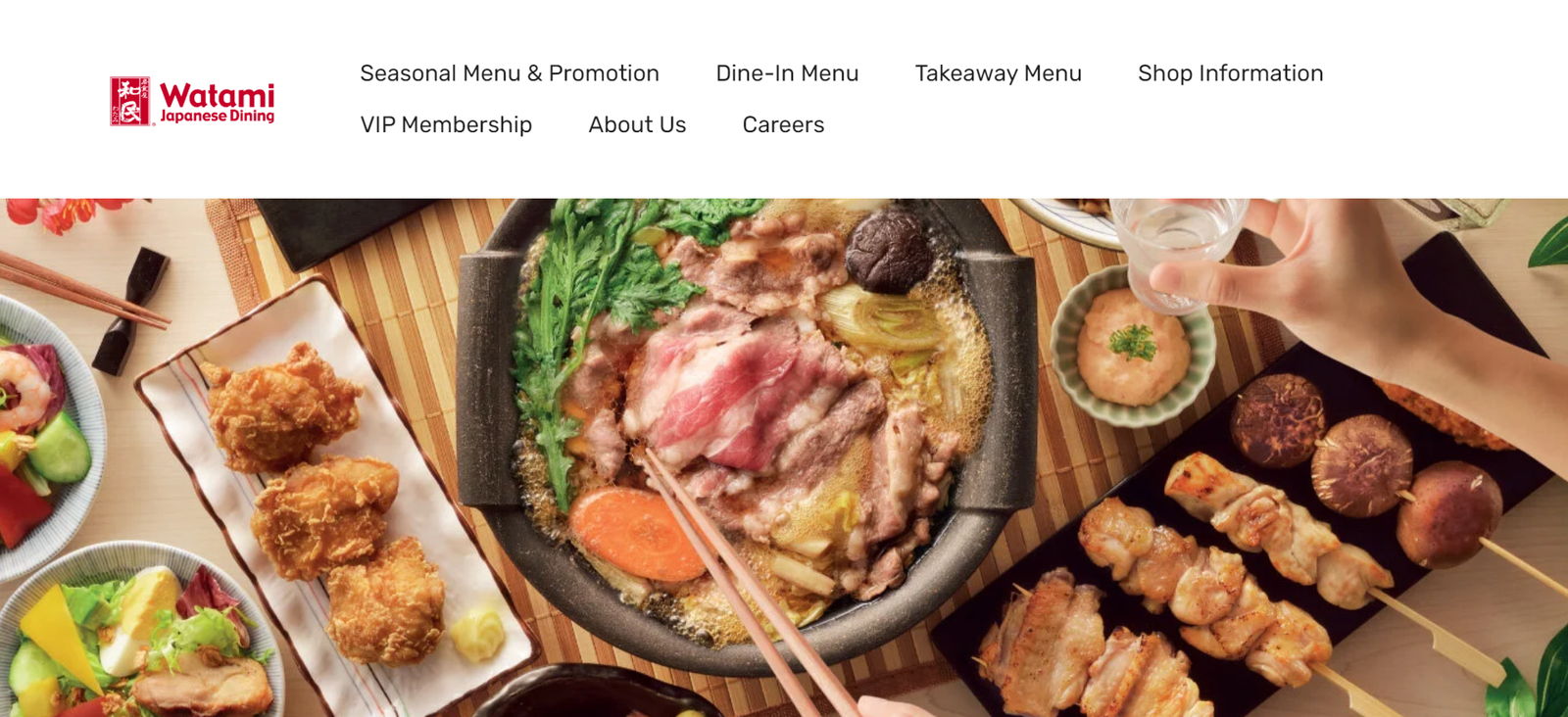
Watami
Established in 1984, it expands globally with a multi-brand strategy including Ishokuya dining and Wagyu yakiniku. This adaptability optimizes costs.
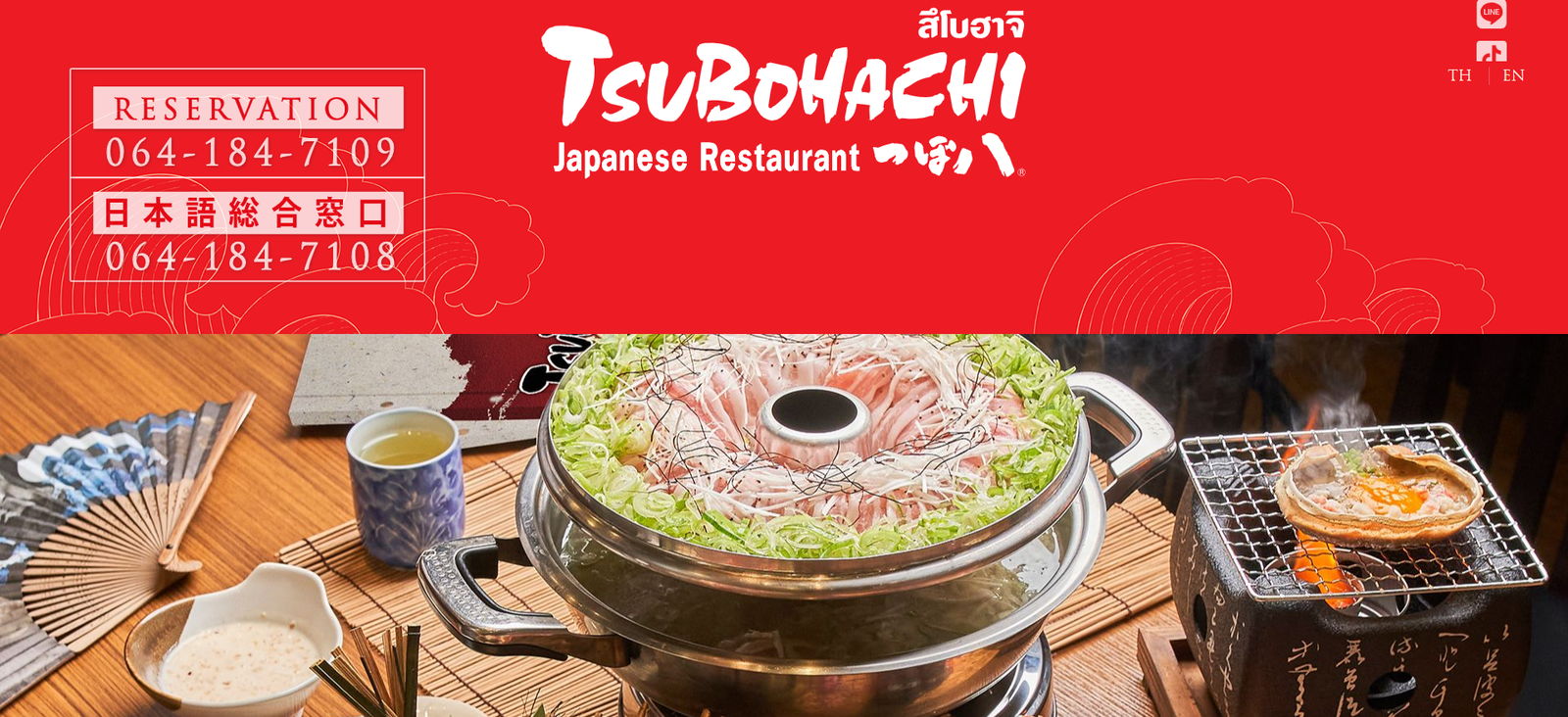
Tsubohachi
Established in 1973, it leverages the Hokkaido brand for food-focused dining. A family-friendly model and robust supply chain ensure stable full-day operations.
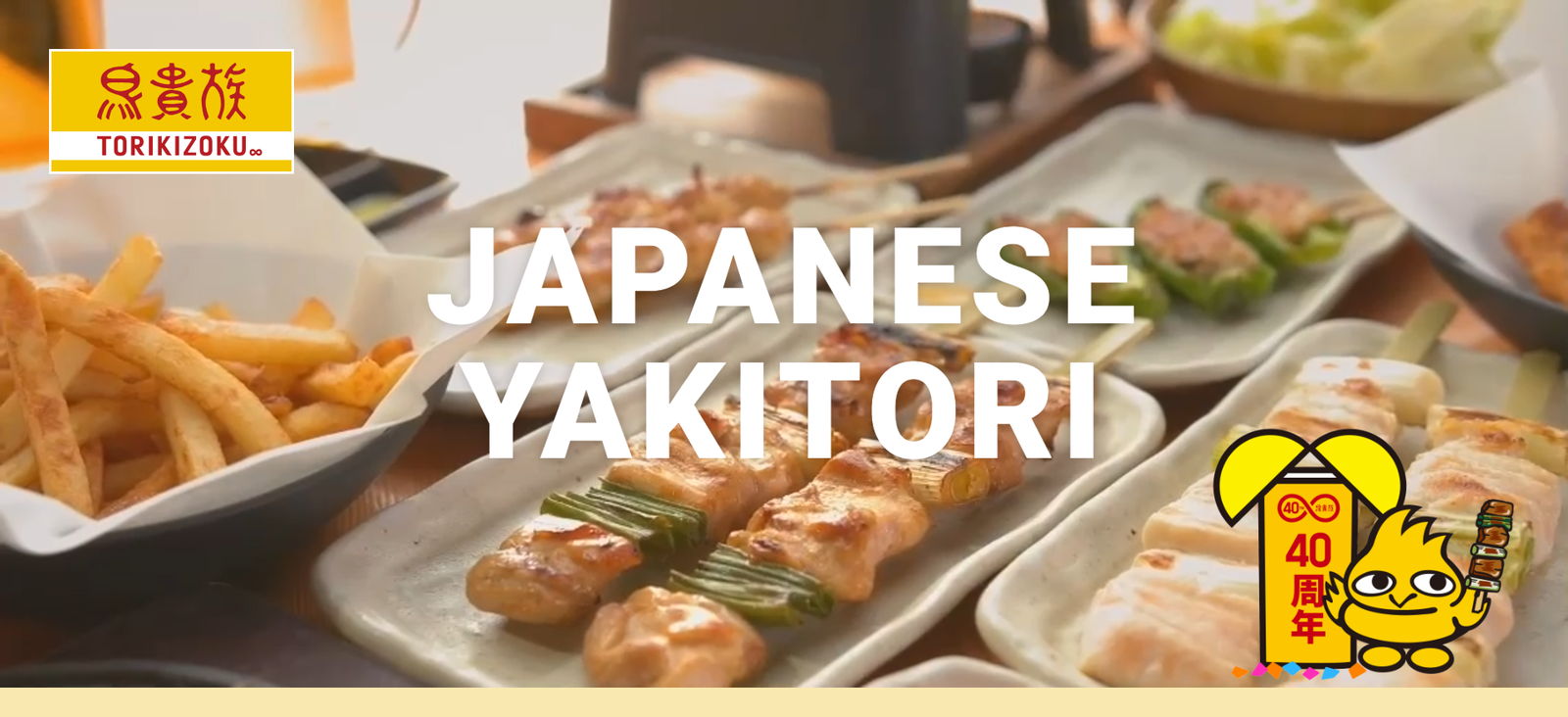
TORIKIZOKU
Established in 1985, it expands globally with a single-price yakitori model. Specializing in chicken ensures broad market adaptability and operational efficiency.