

%Arabica
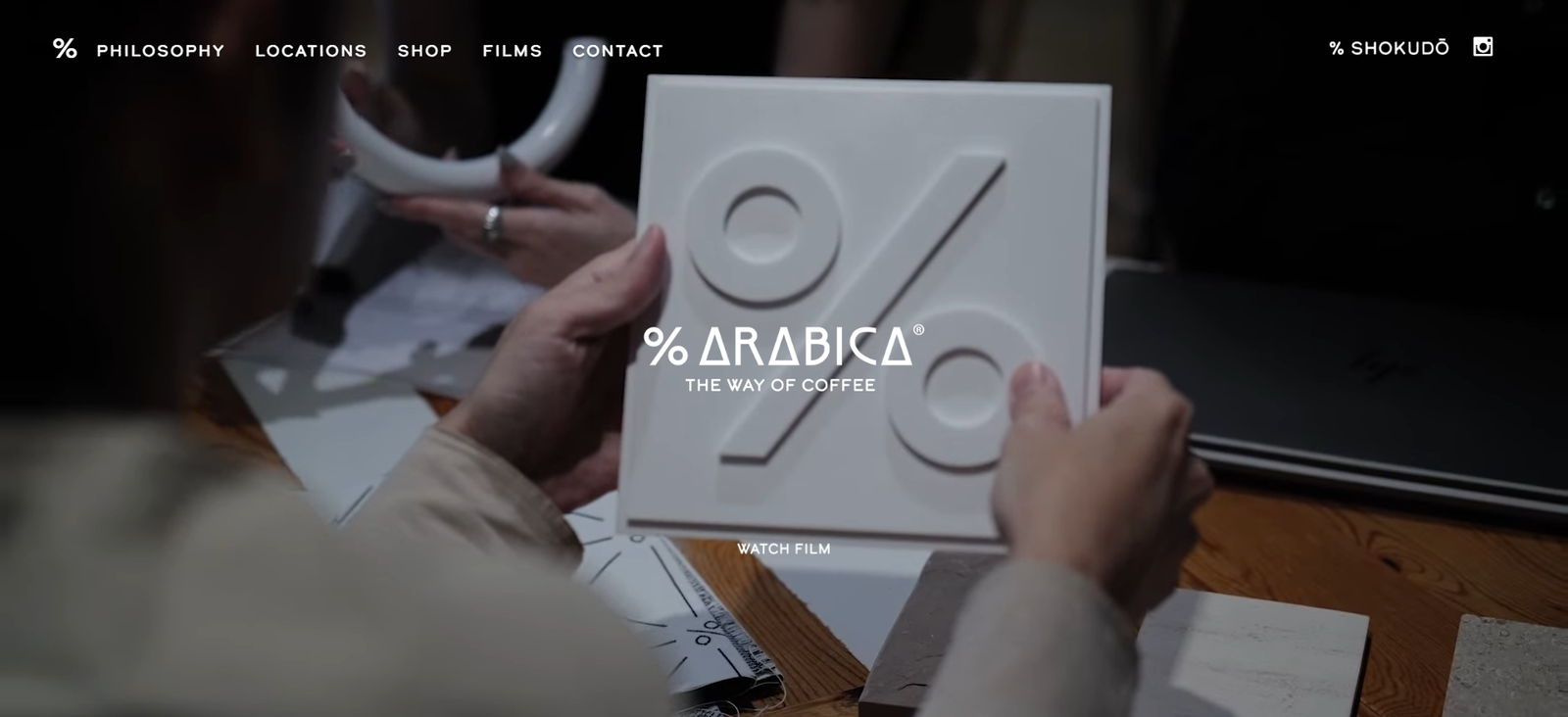
% Arabica is a Japan-born specialty coffee brand founded in 2013, now operating approximately 220 locations across 28 countries. This page covers its overseas expansion status, key brand features, and franchise contract types for international operators.
Overseas Franchise
Expansion Status
| Products and Services Offered | Specialty coffee, roasted beans, and original merchandise (Cafe format). |
|---|---|
| Countries of Overseas Expansion | 28 countries/regions worldwide* (China, Middle East, Europe, USA, Southeast Asia, etc. As of January 2026) |
| Number of Overseas Locations | Approx. 220 stores* (As of January 2026) |
| Franchise Contract Type | Global Franchise Agreements (Partnerships with leading local/regional partners) |
Born in Kyoto.
Recognized Everywhere.
Founded by Japanese owner Katsunori Shoji, "% Arabica" is a specialty coffee chain that has expanded its store network on a global scale since opening in Hong Kong in 2013 and Kyoto's Higashiyama district in 2014.
Building on a strong track record of expansion in the Middle East, the brand has successfully entered China, Europe, and the United States. By combining minimalist space design with its "Kyoto-born" heritage, the brand has built a consistent following among wealthy and trend-conscious consumers in markets as different as Dubai and London.
Key Features of
the Overseas Franchise
The Universal "%" Icon.
The brand employs renowned architects for store design, visually unifying its spaces with white-based interiors and the iconic "%" logo. This design, which allows for instant brand recognition across linguistic barriers, tends to reduce dependence on traditional promotional spend during global expansion.
The distinctive interior design functions as a mechanism that encourages users to spontaneously share their experiences via social media. This tends to generate a pattern of organic sharing that extends the brand's visibility without proportional advertising spend.
Beverage Traffic.
Merchandise Margins.
The entire coffee-making process—from live roasting with in-store machines to the refined techniques of the baristas—is placed at the forefront of the store.
Visualizing the preparation process gives customers a visible signal of the product's quality, enabling price differentiation from competing chains. Furthermore, the sale of original merchandise extends the transaction beyond the cup, adding a revenue layer that operates independently of seat turnover.
Condensed Milk in Dubai.
Matcha in Kyoto. Always Arabica.
While high-quality coffee remains the core, the brand also features signature menus that reflect local preferences, such as the "Spanish Latte" which uses condensed milk.
This product lineup, combining "dairy and sweetness"—highly sought after in regions like the Middle East and Asia—is effective in capturing a broad customer base. Menu tailored to local preferences has tended to deepen the brand's foothold in markets like the Middle East and Southeast Asia.
Reviews from Store Visitors
"This is a very nice Arabica in City Walk with a nice modern interior and plenty of putdoor seating. We ordered a Spanish latte and espresso - they were served quickly and both excellent."
"Visited this place post dinner ordered for their arabica dark roast blend of black coffee it was freshly brewed and served to me within 5 mins of time . It was strong , perfect in taste absolutely loved it , when it's arabica you just can't go wrong !"
"Arabica is a unique coffee shop, and I love buying their coffee because of its excellence and preservation of the quality of the coffee. I enjoyed on Mocha coffee."
"Loved their espresso and their flat white, the coffee is fruity low in acidity and tastes great."
"Delicious Spanish Latte, attentive and helpful staff and a small selection of really nice edible treats too."
% Arabica
Company Information
| Brand Name | % ΔRΔBICΔ (% Arabica) |
|---|---|
| Company Name | ASIAMIX Ltd. |
| Head Office Location | 7-3-5 Nishiarai, Adachi-ku, Tokyo, Japan |
| Date of Establishment | 2013 (Opening of the 1st store in Hong Kong) |
【Quick Poll】What's driving your interest in a Japanese food franchise?
※ Click to see how others voted.

Ads Become Optional.
What's worth noting about % Arabica is a pattern visible across its locations: the interior becomes the thing people photograph before they've ordered. Whether that fully offsets traditional advertising spend is harder to measure — but it suggests the design investment is doing more than one kind of work.
The merchandise layer — coffee beans, original goods — extends the transaction beyond the cup itself. For a brand where the visit is already the experience, that addition may be what makes the margins hold — and that distinction matters.