

Yoshinoya
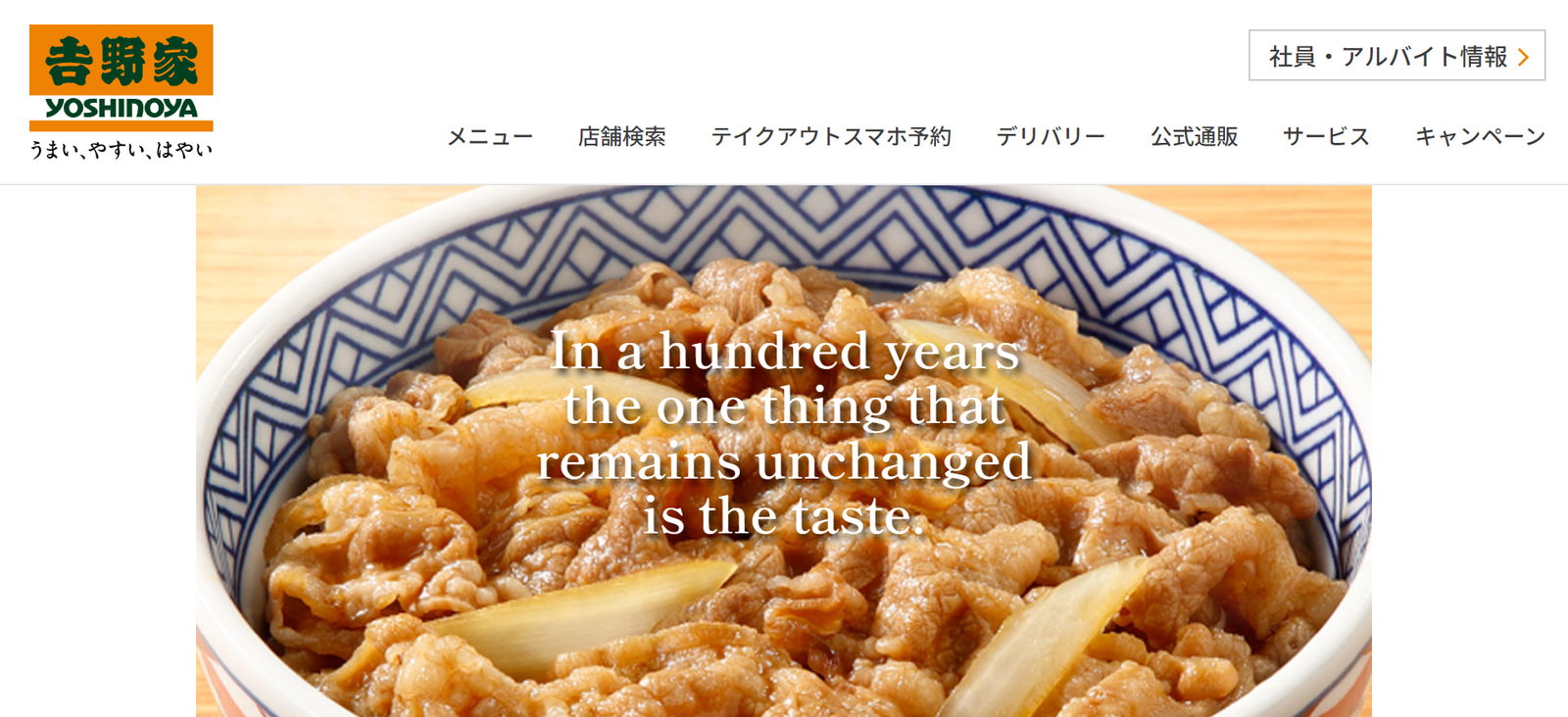
Yoshinoya is a globally recognized Japan-born gyudon (beef bowl) brand founded in 1899, now operating 1,035 locations internationally. This page covers its overseas expansion status, key operational features, and franchise contract types for international operators.
Overseas Franchise
Expansion Status
| Products and Services Offered | Gyudon (Beef Bowl), Chicken Bowl, Curry, Set Menus (Fast Food Format) |
|---|---|
| Countries of Overseas Expansion | USA / China / Indonesia / Philippines / Thailand / Singapore, etc. (As of December 2025) |
| Number of Overseas Locations | 1,035 stores (As of December 2025) |
| Franchise Contract Type | Area Franchise Agreement / Joint Venture (JV) Format |
A Category Born in 1899.
Over 1,000 Stores Today.
Founded in 1899, Yoshinoya established the Gyudon (beef bowl) restaurant model in the global foodservice market. Overseas franchise expansion is primarily conducted through corporate area franchise agreements and joint venture (JV) formats.
Since entering the US market in 1975, the brand has been recognized for providing quick, affordable meals. Currently operating over 1,000 stores across the US, China, and Southeast Asia (as of December 2025), it has built a solid business foundation as a widely used daily dining chain.
Key Features of
the Overseas Franchise
Since 1975.
Fifty Years Without Slowing Down.
Expanding into the US in 1975, the brand boasts a decades-long history of multinational deployment within the rice-based category of the fast food market.
Through this long-term business expansion, the concept of Gyudon has been established in overseas markets, including English-speaking regions. By the time most competitors considered the category, Gyudon had already had 50 years to take root. That kind of head start is difficult to make up.
One Core Menu.
1,000-Store Purchasing Power.
By specializing in a single core product—Gyudon—demand is concentrated on specific cuts of meat, such as US beef plate. The combination of concentrated demand for a specific ingredient and the scale of over 1,000 global stores generates purchasing leverage that few single-menu operations at this scale can match.
This concentrated demand establishes a procurement network capable of purchasing specific cuts from meat suppliers consistently and on a massive scale. This helps stabilize procurement costs even when commodity prices shift, supporting the consistent pricing the brand is known for.
That said, operating a beef-based menu in markets with halal dietary requirements — particularly across Southeast Asia — represents a genuine operational consideration for the gyudon category.
Factory Does the Cooking.
Store Does the Scaling.
The cooking process is highly systemized, establishing a streamlined workflow where ingredients processed in factories are simply finished at the store.
Primary in-store tasks consist of straightforward steps like simmering and serving. Eliminating the need for experienced culinary techniques allows for consistent quality reproduction through short-term training. This means store staff can reach operational standard quickly — part of how the brand has expanded across multiple markets.
Reviews from Store Visitors
"simple but satisfying comfort food. We found the quality of the gyudon served here was pretty decent. Price point economical."
"Affordable and quick service. Nice place to be when you like to have a nice meal in cool comfort. The beef bowl is good size for a hungry traveller."
"the quality regarding he price is very good. i tried yoshinoya the 1st tme i went to japan and it s japanese fast food, but once you try you will see fast food can be also quality food and not junk food"
"Can't go wrong eating at a Yoshinoya shop whether you go for their rice bowl or ramen soup .... so filling in one's tummy, & inexpensive yet delicious."
"Went there recently and ordered a beef bowl. I expected the food quality to be lower cause it is a fast food chain, but the beef tasted amazing for the price"
Yoshinoya
Company Information
| Brand Name | Yoshinoya |
|---|---|
| Company Name | YOSHINOYA HOLDINGS CO., LTD. |
| Head Office Location | 36-2 Nihonbashi Hakozakicho, Chuo-ku, Tokyo |
| Date of Establishment | 1899 (at the Nihonbashi fish market in Tokyo) |
【Quick Poll】What's driving your interest in a Japanese food franchise?
※ Click to see how others voted.

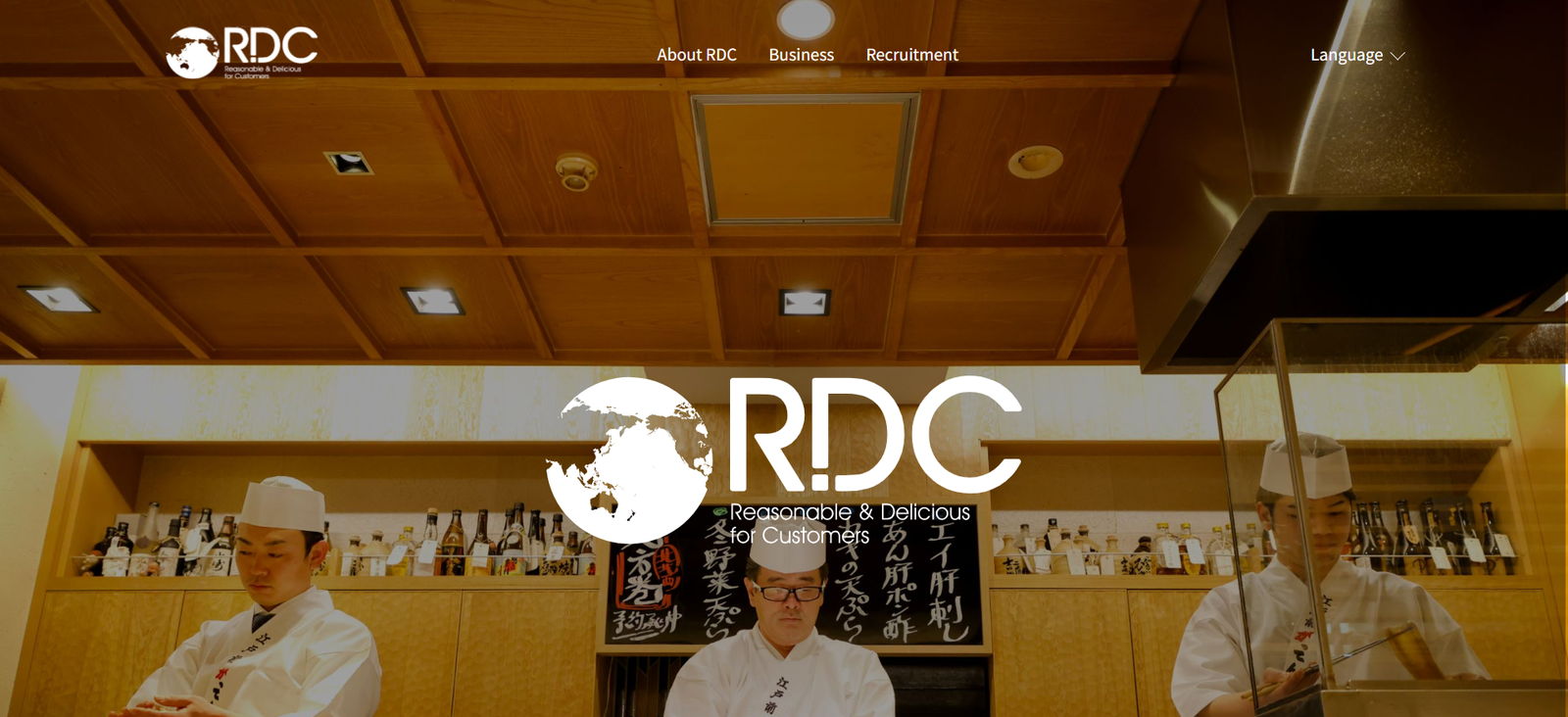
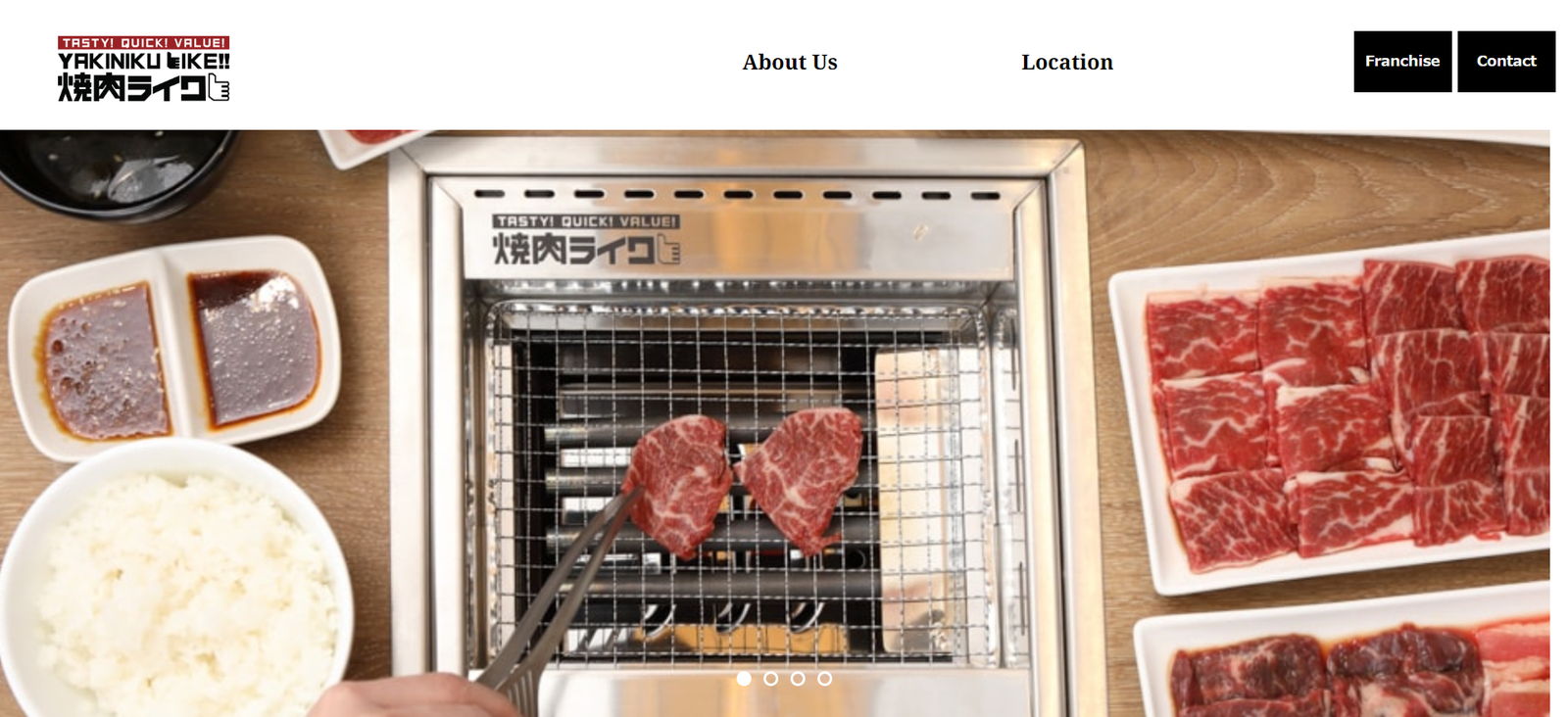

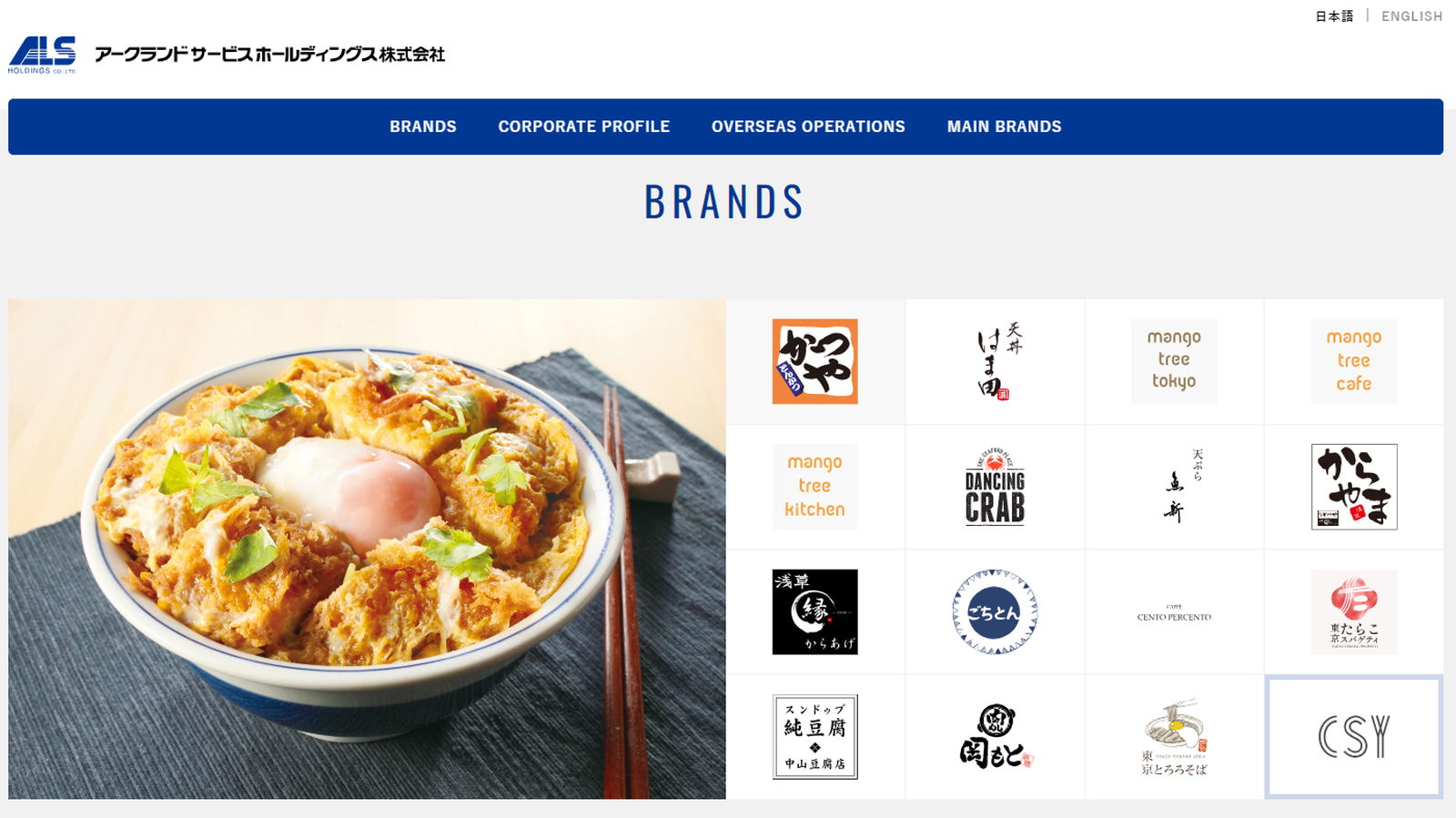
on a Single Bowl.
I've watched a lot of brands try to build a Japanese rice bowl business overseas. Most don't last a decade. Yoshinoya has been at it since 1975 — and when a first-time visitor in Singapore writes that this proved fast food can be quality food and not junk food, that reaction is the result of over a century of accumulated trust, not a marketing push.
What quietly underpins the whole model is the purchasing logic. Concentrating 1,000-store demand on a single specific cut of beef gives Yoshinoya a position with suppliers that most multi-menu operators simply can't reach. That's the part of this story that's hardest to replicate — and worth understanding.