

Tsubohachi
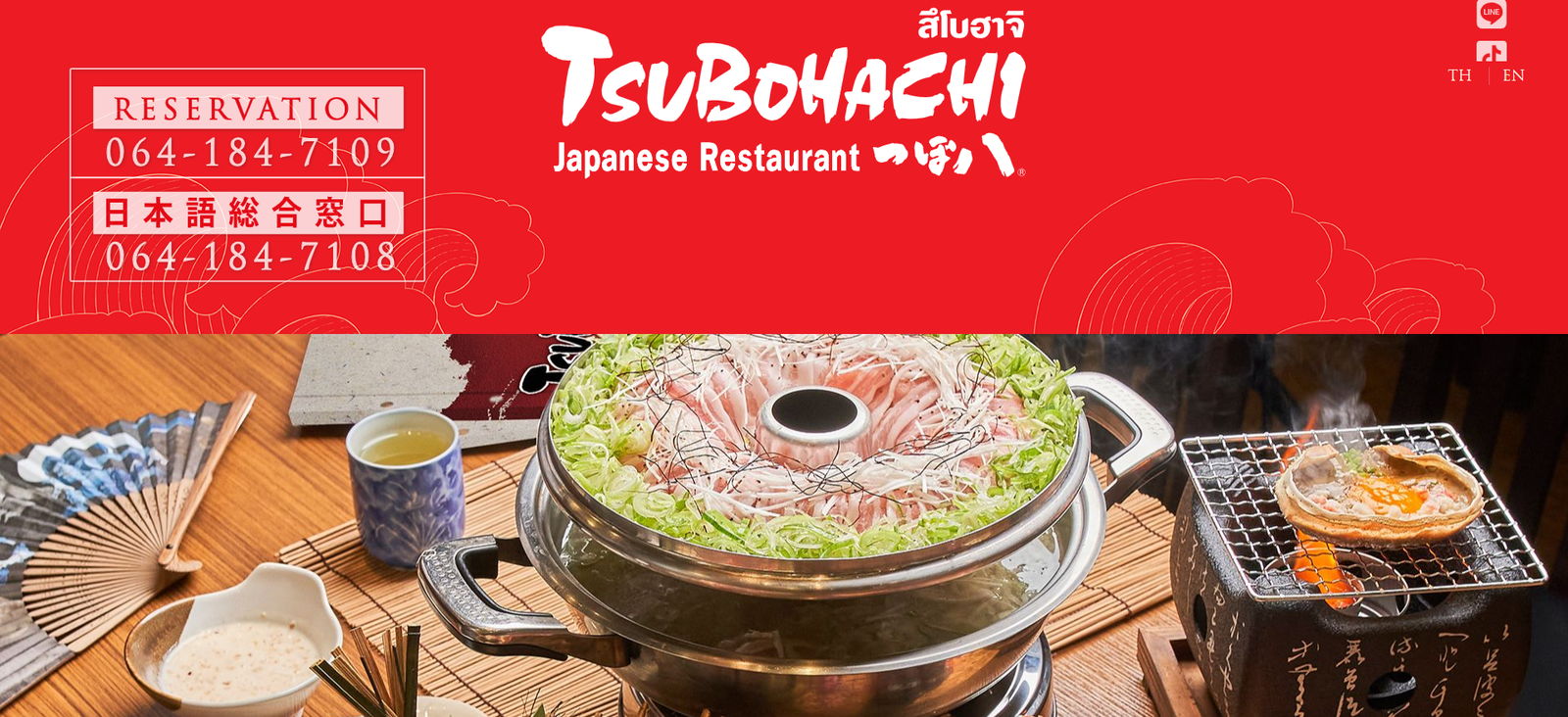
Tsubohachi is a Japan-born izakaya and Hokkaido cuisine brand founded in Sapporo, Hokkaido in 1973, now operating 7 locations in Thailand. This page covers its overseas expansion status, key operational features, and franchise contract types for international operators.
Overseas Franchise
Expansion Status
| Products and Services Offered | Hokkaido Cuisine (Sashimi, Sushi, Zangi, Jingisukan), Kamameshi, Yakitori, Hot Pot, etc. |
|---|---|
| Countries of Overseas Expansion | Thailand (As of January 2026) |
| Number of Overseas Locations | 7 stores (As of January 2026) |
| Franchise Contract Type | Master Franchise / Area Franchise |
Hokkaido Cuisine. Full Service.
No Drinking Required.
Tsubohachi, founded in Sapporo, Hokkaido in 1973, is a widely established Japanese izakaya chain. In international markets, however, the brand is primarily recognized as a full-service restaurant specializing in Hokkaido cuisine.
In Southeast Asian markets like Thailand, the brand operates as a restaurant suitable for all generations rather than a traditional drinking establishment. By leveraging the positive image of Hokkaido-sourced ingredients, it offers a diverse menu ranging from sashimi to hot pots. By pivoting to a food-focused model that does not rely on alcohol sales, the brand attracts a broad customer base regardless of religious or cultural differences.
Key Features of
the Overseas Franchise
Crab. Scallops. Zangi.
A Menu Only Hokkaido Can Own.
A feature of Tsubohachi's expansion is the utilization of the brand power associated with its birthplace, Hokkaido. In overseas markets, Hokkaido is recognized for its seafood and food safety.
The menu features regional specialties such as "Zangi" (Hokkaido-style fried chicken), "Jingisukan" (grilled mutton), and seafood including crab and scallops. By providing trust in ingredients and the geographical background of the brand, Tsubohachi occupies a distinct position from other local Japanese restaurants.
Lunch Crowd. Dinner Crowd.
Neither Needs a Drink.
While recognized as a pub-style izakaya in Japan, international locations feature bright, calm interiors designed to resemble family restaurants. This strategy creates a space that is accessible to families and non-drinkers, effectively broadening the customer segment.
Furthermore, by enhancing its menu with substantial meals such as kamameshi (kettle rice), set meals, and high-quality desserts, the brand captures lunch demand in addition to evening dining. This keeps the restaurant in use across more of the day, without needing alcohol sales to drive the evening.
Backed by a Group
That's Done This Before.
Tsubohachi is part of a corporate group including Yamaya and Chimney. Leveraging the expertise accumulated through years of multi-unit expansion, the brand has established a support system for stable store operations in international markets.
Another strength is the ability to develop flexible store models tailored to local site characteristics. In locations such as large facilities where demand for quick dining is concentrated, the brand deploys formats with a higher proportion of set meals. Optimizing the cooking process to reduce serving times keeps the pace up during busy periods, without making the experience feel rushed.
That said, with overseas expansion currently limited to Thailand, the model's resilience across different cultural and regulatory environments remains untested at scale.
Reviews from Store Visitors
"Big portions and fresh ingredients. The curry was mild, but the fried dishes were crispy and tasty. Would come back."
"Good selection of kushiyaki (grilled skewers). The meat skewers were juicy, and the vegetables added a nice balance."
"The food was well-presented and tasted good. Quick and friendly service from staff."
"Delightful food — the desserts are worth trying."
"A good lunch — will be back to try other dishes on the menu."
Tsubohachi
Company Information
| Brand Name | Tsubohachi |
|---|---|
| Company Name | Tsubohachi Co., Ltd. |
| Head Office Location | 7-2-22 Ginza, Chuo-ku, Tokyo |
| Date of Establishment | March 1973 |
【Quick Poll】What's driving your interest in a Japanese food franchise?
※ Click to see how others voted.


a Recognizable Name.
As shown in customer reviews evaluating the portions, freshness, and quality of desserts, the ability to provide these consistently is supported by the procurement network of a major corporate group. The standardized operations — from cooking to service — are, perhaps, what makes this level of consistency manageable at scale.
The transition from a pub-style izakaya to a food-focused restaurant is a meaningful repositioning. By sustaining demand from lunch through to dinner without depending on alcohol sales, the model has found a way to operate in markets where izakaya culture doesn't yet have strong roots. Whether that approach holds as the network extends beyond Thailand is, perhaps, the question worth sitting with.