

Japanese Food Franchise in the US
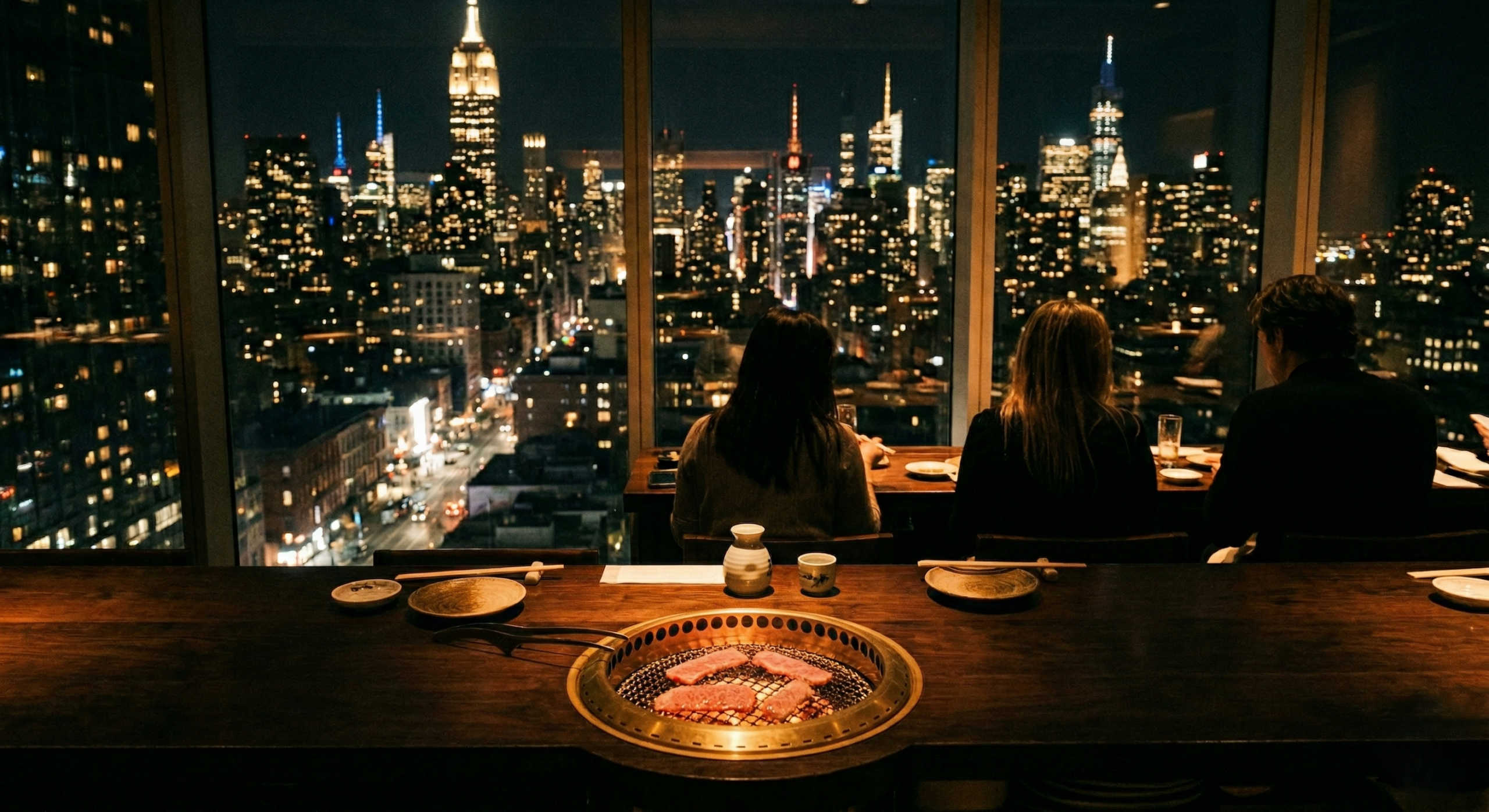
The Japanese food market in the United States enjoys stable demand, making franchise investment a compelling option. This page introduces the key U.S.-market brands and Japan-originated brands for those considering entry into the Japanese food franchise market in the U.S. Use this overview to compare each brand's business model, strengths, and the history and track record behind them as a reference for finding the right partner for your business goals.
Japanese Food Franchise Brands
Operating in the United States
Teriyaki Madness
Franchise Overview
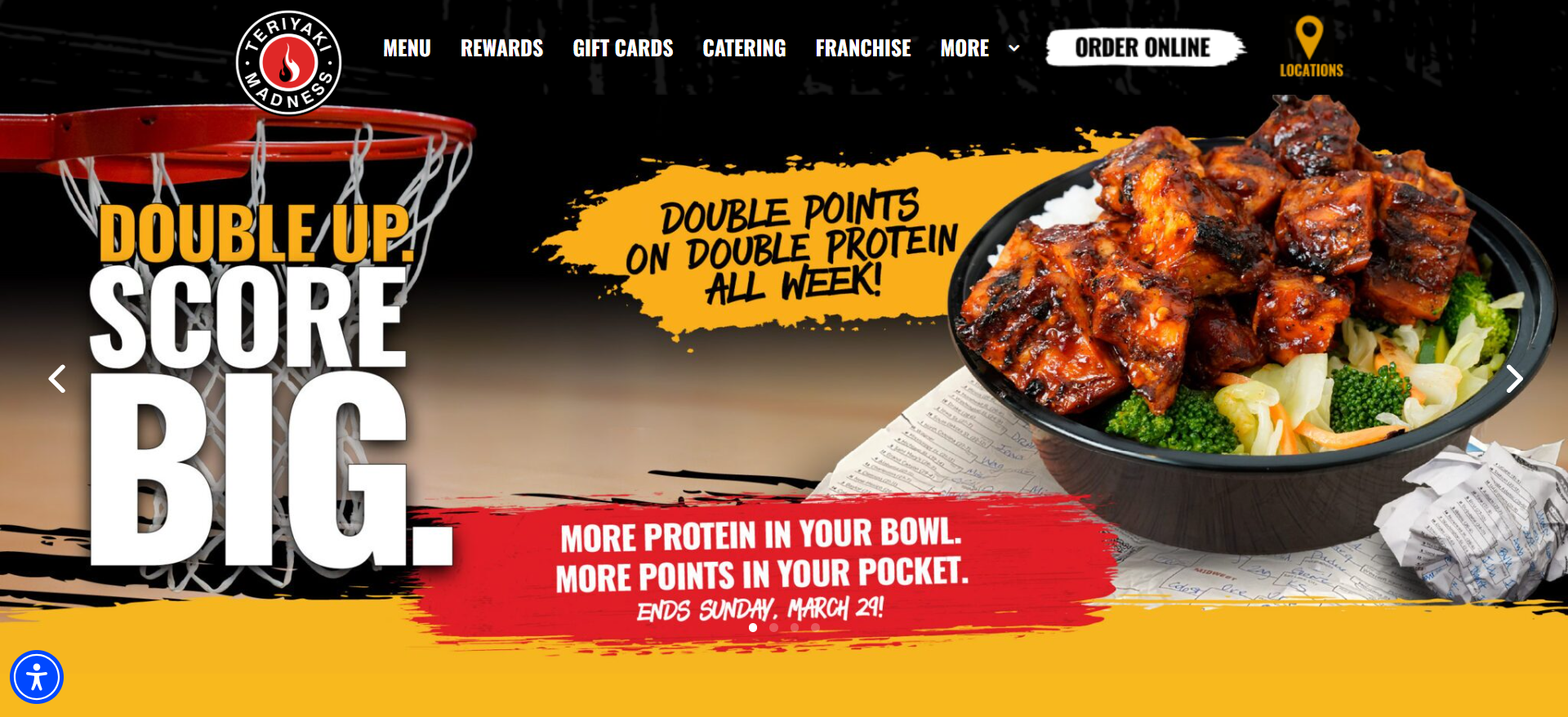
Teriyaki Madness is a fast-casual concept serving Seattle-style teriyaki bowls. Since its founding in 2003, the brand has built a loyal following through customizable menus featuring fresh ingredients and a proprietary sauce. Its appeal lies in taking authentic Asian flavors and adapting them for the U.S. market with an approachable, familiar taste profile.
Brand Recognition in the United States
Through a location strategy centered on high-traffic food courts, Teriyaki Madness has grown to over 200 locations across more than 30 states※. Its accessible price point and health-conscious menu have resonated with a broad consumer base, capturing consistent demand at lunch and for takeout.
※Reference: Teriyaki Madness official website (https://franchise.teriyakimadness.com/franchise-territories/)
Franchise Membership at a Glance
The brand's strength lies in a proven store operations system with a national track record. Franchisees receive comprehensive training and support from site selection through post-opening operations. The relatively compact store format is also well suited for investors with multi-unit expansion in mind.
| Estimated Total Initial Investment | $376,200 – $975,860 |
|---|---|
| Franchise Fee | $45,000 |
| Royalty Fee | 6% of net sales |
| Marketing Fund Contribution | 3% of net sales |
Reference: Teriyaki Madness official website | As of March 12, 2026 (https://franchise.teriyakimadness.com/)
Teriyaki Madness
Company Information
| Operating Company | Teriyaki Madness franchise team |
|---|---|
| Head Office Location | 950 S Cherry Street, Suite 850, Denver, CO, United States |
| Franchise Inquiry Page | https://franchise.teriyakimadness.com/ |
Sarku Japan
Franchise Overview
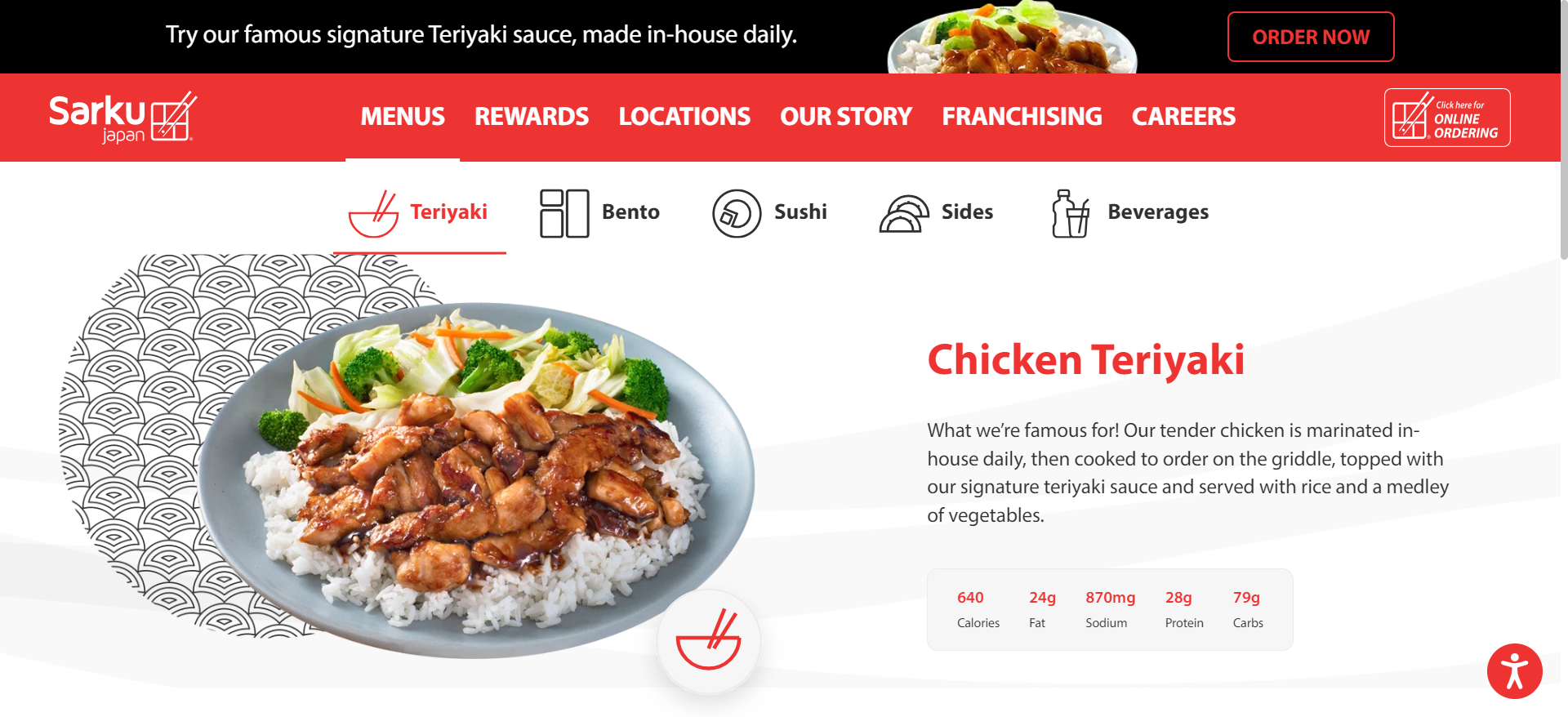
Sarku Japan is a teppanyaki chain operating primarily in food courts within shopping malls. Since its founding in 1987, the brand has built its identity around cooking orders live in front of customers on a flat iron grill. With teriyaki prepared on the teppan at its core, Sarku Japan has established a distinctive position as an accessible Japanese food option in the food court setting.
Brand Recognition in the United States
With locations in malls across the country, Sarku Japan is recognized as one of the leading Asian quick-service brands in the U.S. Through a location strategy focused on high-traffic food courts, the brand has grown to over 170 locations across 34 states※ and has sustained broad customer support over many years.
※Reference: Sarku Japan official website | As of March 17, 2026 (https://www.sarkujapan.com/story/)
Franchise Membership at a Glance
The business model is built for high sales-per-square-foot performance within the compact footprint of a food court space. Head office support includes quality control systems and an efficient store operations manual, creating an accessible entry point even for less experienced owners. A fee structure that encourages multi-unit operation is also a notable feature.
| Estimated Total Initial Investment | $639,000 – $1,059,000 (excluding rent) |
|---|---|
| Franchise Fee | 1st location: $40,000 2nd location: $35,000 Each additional unit: $30,000 |
| Royalty Fee | 6% of net sales |
| Marketing Fund Contribution | 3% of net sales |
Reference: Sarku Japan official website | As of March 12, 2026 (https://www.sarkujapan.com/franchising/)
Sarku Japan
Company Information
| Operating Company | SJ EUS Food Inc. |
|---|---|
| Head Office Location | 7650 Birchmount Road, Markham, Ontario, Canada |
| Franchise Inquiry Page | https://www.sarkujapan.com/franchising/ |
Marufuku Ramen
Franchise Overview
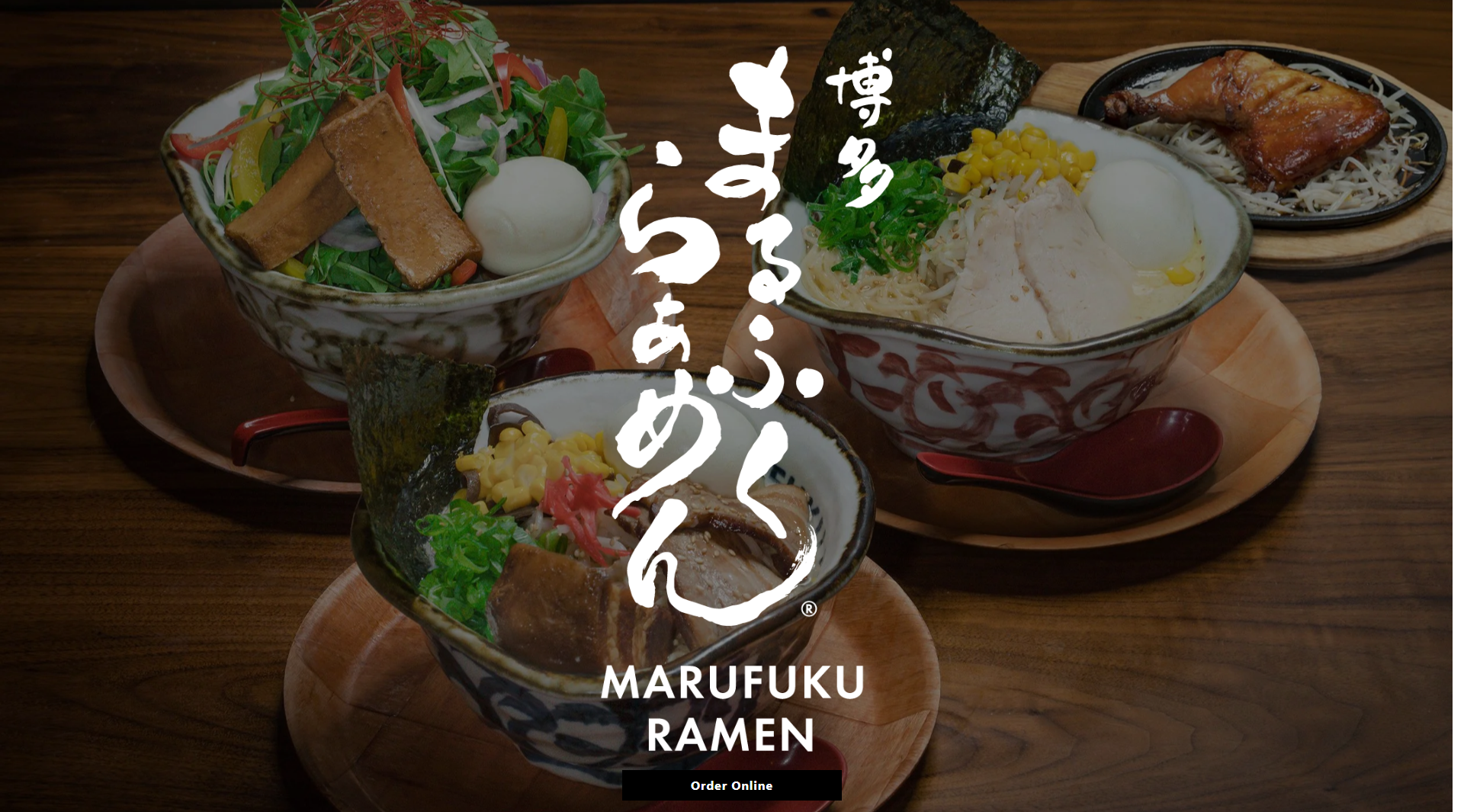
Marufuku Ramen is a specialty restaurant serving authentic Hakata-style tonkotsu ramen. The brand faithfully reproduces traditional Japanese techniques, including the pairing of rich, slow-simmered pork bone broth with thin noodles. By bringing Japan's ramen culture directly to the U.S. market, the brand has built a loyal following among consumers who seek an authentic dining experience.
Brand Recognition in the United States
The brand operates multiple locations across the country, with a concentration in California and additional presence in Texas, Nevada, and New York. In 2025, Marufuku Ramen announced plans for franchise expansion, signaling a period of active growth※.
※Reference: Close The Deal | As of March 19, 2026 (https://www.closethedeal.com/marufuku-ramen-franchise-expansion-plans-unveiled)
Franchise Membership at a Glance
The brand offers a systematized business model built around the operational know-how of running an authentic Japanese restaurant. Franchisees receive support for consistent ingredient supply and service training that reflects the Japanese hospitality ethos. Because the brand places a high value on taste and service quality, the brand looks for partners who are committed to rigorous quality management.
| Franchise Fee | $30,000 per location |
|---|---|
| Royalty Fee | 5% of net sales |
| Marketing Fund Contribution | 1% of net sales |
Reference: Marufuku Ramen official website | As of March 12, 2026 (https://www.marufukuramen.com/franchise-investment)
Marufuku Ramen
Company Information
| Operating Company | EK Food Services, Inc. |
|---|---|
| Head Office Location | 1236 West Winton Avenue, Unit 11, Hayward, CA, United States |
| Franchise Inquiry Page | https://www.marufukuramen.com/franchise-opportunity |
Japanese Food Franchise Brands
Originating from Japan
This section covers brands that have earned long-standing recognition in Japan and are now bringing their franchise concept to the U.S. market. Explore the history, track record, and story behind each Japan-originated brand as you consider your franchise options.
Gyu-Kaku (Japanese BBQ)

Franchise Overview
Founded in Tokyo in 1996 under the philosophy of "creating exceptional experiences," Gyu-Kaku was built on the idea of making high-quality yakiniku accessible at an everyday price point. The brand's founding vision — bringing the yakiniku experience, once reserved for upscale dining, into the daily lives of more people — remains at the core of what the brand stands for. In Japan, Gyu-Kaku has become synonymous with casual yakiniku, earning broad support from families and group diners alike.
Since entering the U.S. in 2001, Gyu-Kaku has spent over 25 years establishing the "Yakiniku" format — in which guests grill their own meat on a smokeless tabletop roaster — as a recognized dining style in the American market. This experiential format, where the grilling process itself is part of the enjoyment, has built a devoted following in the U.S. as well.
Brand Recognition in the United States
Gyu-Kaku operates 60 or more locations nationwide, with a concentration in California, Texas, and New York. As the pioneer of "Japanese BBQ" in the U.S. market, the brand has secured consistent popularity by capturing group dining demand among local consumers.
Franchise Membership at a Glance
The brand features a reliable ingredient supply through its own sourcing network and an efficient operations model that reduces back-of-house cooking complexity. As a full-service restaurant where guests handle the cooking (grilling) themselves, the model is designed to structurally reduce dependence on skilled kitchen staff and lower kitchen labor costs.
| Estimated Total Initial Investment | $1,215,444 – $2,606,540 |
|---|---|
| Estimated Payback Period (ROI) | Approximately 9.6 – 11.6 years |
Reference: IFPG official website (https://www.ifpg.org/top-franchises/gyu-kaku-japanese-bbq-restaurant)
Gyu-Kaku
Company Information
| Operating Company | REINS International (USA) Co., Ltd. |
|---|---|
| Head Office Location | Landmark Tower 12F, 2-2-1 Minatomirai, Nishi-ku, Yokohama, Kanagawa, Japan (※U.S. operations conducted by U.S. entity) |
| Franchise Inquiry Page | https://www.gyu-kaku.com/franchise-availability/ |
CoCo Ichibanya
Franchise Overview
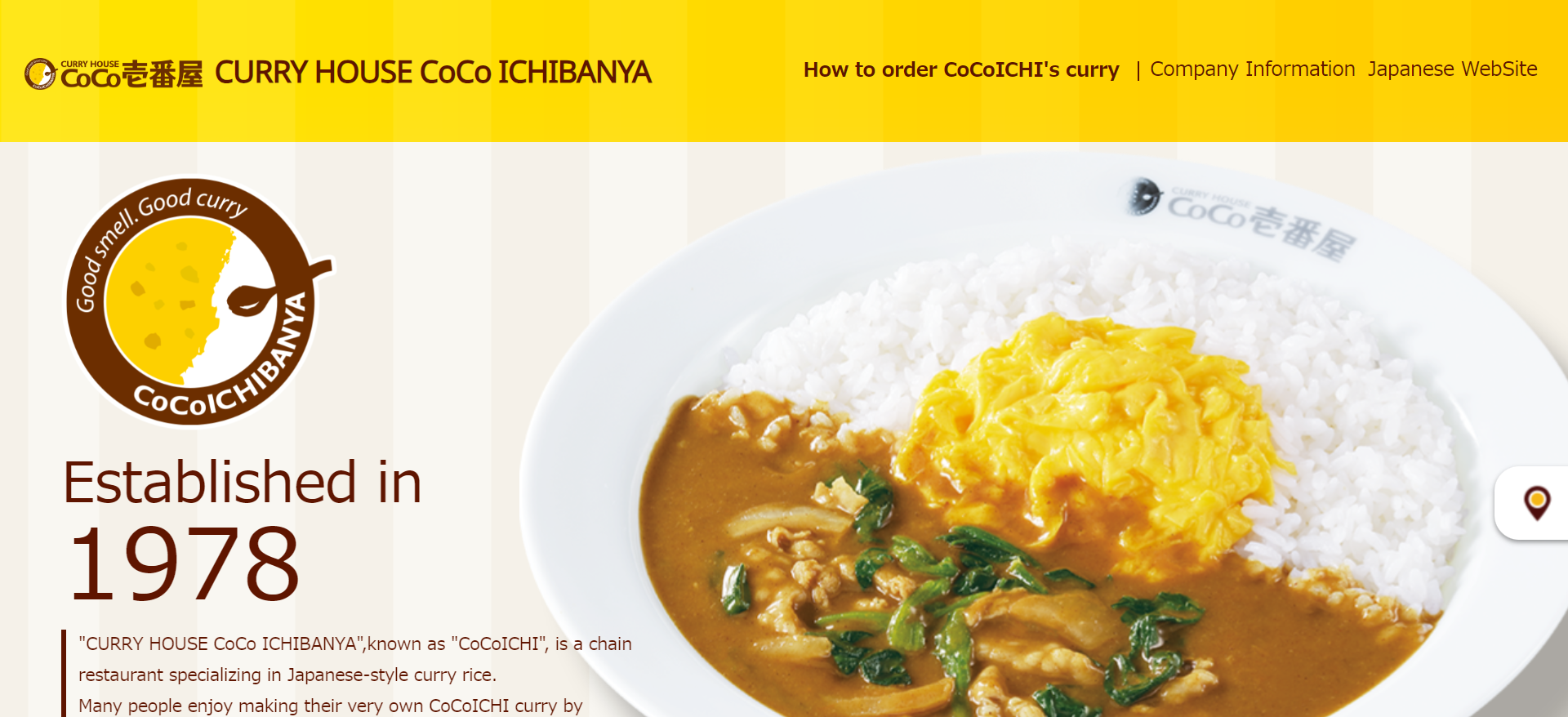
CoCo Ichibanya is a curry rice specialty chain founded in Aichi Prefecture in 1978. Staying true to its founding belief that every customer should enjoy curry exactly the way they like it, the brand developed a customization system that lets guests freely choose spice level, toppings, and rice portion.
This precisely engineered system for delivering Japanese-style curry made with a proprietary spice blend has been the brand's core since day one. CoCo Ichibanya now operates more than 1,500 locations worldwide and holds the internationally recognized record as the world's largest curry rice specialty chain by number of locations. The brand depth accumulated over more than 30 years, combined with a store operations framework designed to maintain a consistent standard of service regardless of country or region, remains a consistent asset in the U.S. market as well.
Brand Recognition in the United States
Following its entry into Hawaii in 1994 and the U.S. mainland (California) in 2011, CoCo Ichibanya has more recently expanded into Texas as well. The brand has steadily grown its recognition not only among Asian-American consumers but also among the broader American public, establishing "Japanese Curry" as a distinct dining category in its own right.
Franchise Membership at a Glance
The business model combines centralized roux production for consistent taste with a streamlined in-store cooking operation. Thorough manualization and training by the head office enables store expansion without reliance on specialized culinary skills.
| Franchise Fee | $40,000 |
|---|
Reference: CoCo Ichibanya official website | As of March 12, 2026 (https://ichibanyausa.com/pages/franchise)
CoCo Ichibanya
Company Information
| Operating Company | Ichibanya Co., Ltd. |
|---|---|
| Head Office Location | 6-12-23 Mitsui, Ichinomiya City, Aichi Prefecture, Japan |
| Franchise Inquiry Page | https://ichibanyausa.com/pages/franchise |
PEPPER LUNCH
Franchise Overview
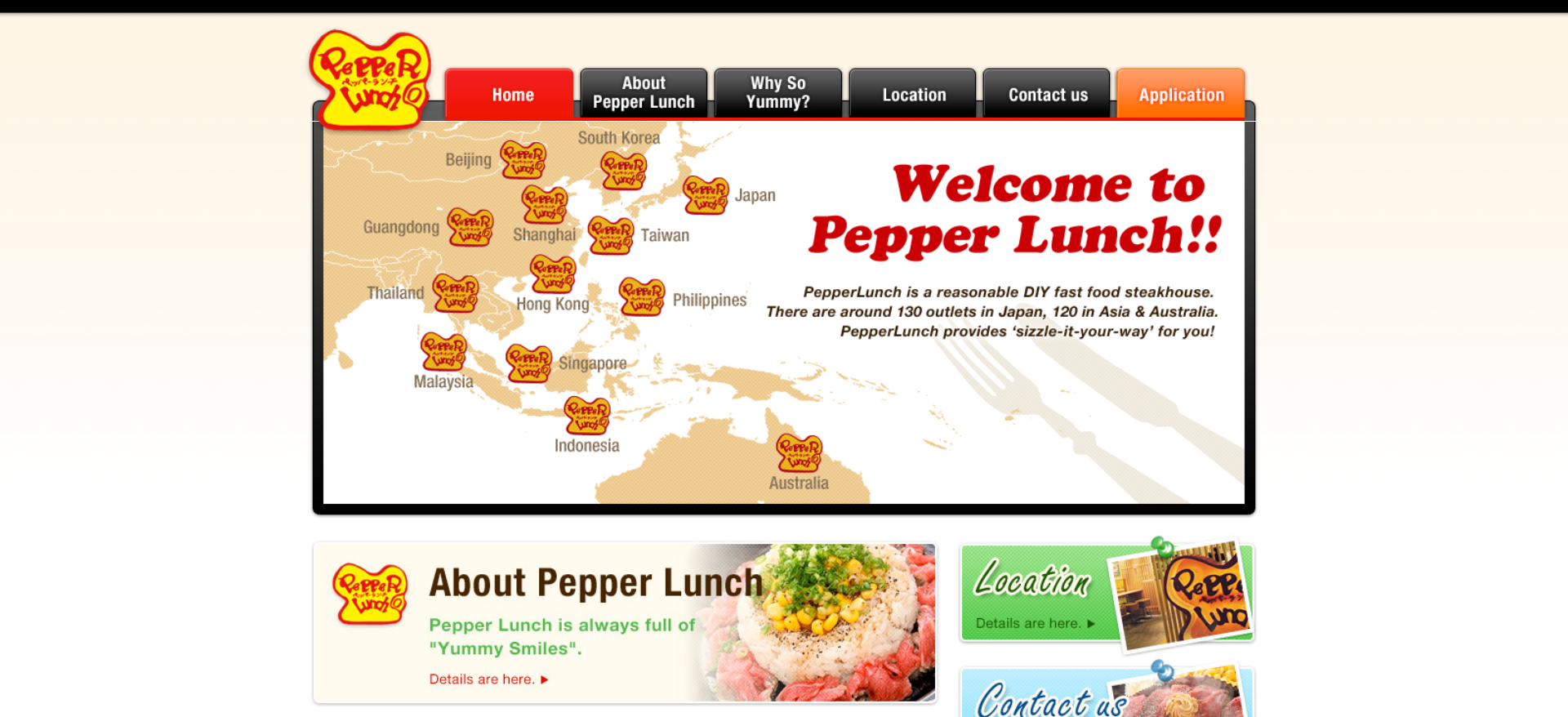
PEPPER LUNCH is a Japan-originated fast-casual brand founded in Tokyo in 1994. Its defining feature is a proprietary electromagnetic cooking system and specialized iron plate, developed by the founder with a vision of creating a space where customers could enjoy finishing their own meal.
In this DIY-style format, guests mix and finish their meat and rice directly on an iron plate heated to approximately 300°C — delivering fast service and the live excitement of freshly prepared food at the same time. This system has driven accelerated international expansion, particularly across Asia, and the brand now operates approximately 370 locations worldwide (as of March 2026). More than 30 years of delivering the same experience is the foundation of the brand's credibility.
Brand Recognition in the United States
PEPPER LUNCH is rapidly scaling its franchise presence in the U.S. market, with approximately 100 new store agreements (pipeline) currently in progress across North America※. The striking combination of the sizzling iron plate — the sound, the aroma, and the speed of service — has established the brand as a distinctive presence in the fast-casual category.
※Reference: PEPPER LUNCH official website (North America blog) | As of August 2025 (https://www.pepperlunchrestaurants.com/blog/meet-the-leaders-behind-our-north-american-success)
Franchise Membership at a Glance
The proprietary iron plate system delivers food at sizzling temperature while putting the final step of the cooking process in the hands of the customer. The model eliminates the need for specialist cooks, enabling high table turnover while keeping labor costs in check. A fully documented operations system and efficient kitchen design support stable day-to-day store management.
| Estimated Total Initial Investment | $657,000 – $1,688,500 |
|---|---|
| Franchise Fee | $50,000 |
| Royalty Fee | 5% of net sales |
Reference: Entrepreneur official website | As of March 2026 (https://www.entrepreneur.com/franchises/directory/pepper-lunch)
PEPPER LUNCH
Company Information
| Operating Company | Hot Palette America Inc. (※responsible for North American operations) |
|---|---|
| Head Office Location | 5F FORECAST Kameido, 2-27-7 Kameido, Koto-ku, Tokyo, Japan |
| Franchise Inquiry Page | https://www.pepperlunchrestaurants.com/franchise |
How to Choose a Japanese Food
Franchise Brand in the United States
When starting a new franchise business in the U.S., what are the advantages of choosing a Japan-originated brand from among the many options available? Here are three perspectives to consider when evaluating brands, based on the realities of the local market.
The U.S. Japanese Food Market
Is Already Established
In the U.S., Japanese-inspired food styles adapted to local tastes — teriyaki, California rolls, and the like — have already built a substantial market. Brands like Teriyaki Madness and Sarku Japan have spent years nurturing that demand from the ground up.
As that market has matured, so has consumer knowledge. Because people already know what "Japanese-style" food tastes like, there is already a segment actively seeking something more authentic. Starting in a market where you don't need to explain what Japanese food is, and where you're not building awareness from zero, is one of the practical advantages for new franchise owners entering the space.
Labor-Saving Systems Refined in Japan
Reduce Hiring and Turnover Risk
One of the most significant operational bottlenecks in the U.S. food service industry is the persistent labor shortage and continuously rising labor costs.
The labor-saving operational systems of Japan-originated brands have been refined over years of multi-unit domestic expansion. Formats like Gyu-Kaku and PEPPER LUNCH — where customers handle the finishing step at the table — and supply models like CoCo Ichibanya's central kitchen ingredient distribution are structurally designed to reduce dependence on skilled kitchen staff. These systems lower the bar for hiring and reduce exposure to turnover risk, and they work in the U.S. precisely because they have already been proven in Japan. Whether a brand's design can address the structural challenges of labor shortage and high labor costs in the U.S. food service industry is one of the key factors worth evaluating before entry.
Customization as an Answer
to Diverse Dietary Needs
As a multi-ethnic nation, the U.S. is home to an exceptionally diverse range of dietary preferences and restrictions — vegan, vegetarian, gluten-free, religious dietary requirements, and more. It is not uncommon for a single table to include guests with entirely different dietary needs.
The detailed customization systems that Japanese franchises have established — allowing guests to adjust spice level, toppings, and rice portion — are designed to accommodate this diversity within a single location. A guest-driven menu format also pairs well with U.S. fast-casual culture, and the ability to be "the one place nobody has to compromise on" is a practical strength of Japan's customization-forward food culture in a market where diverse dietary restrictions coexist at the same table.
not just the brand
There is a question that cannot be avoided when building a stable business in the U.S. food service market: Can this brand deliver consistent quality without relying on people with specific skills? Labor shortages and rising labor costs are structural challenges, and formats that depend on individual culinary expertise are more exposed to their effects.
The labor-saving systems that Japan-originated brands have refined through years of multi-unit domestic expansion represent one answer to that question. Understanding not just the brand's name and menu, but why and how those systems were built, before choosing a partner — that is a straightforward and effective lens for building something that lasts in the U.S. market.