

Chateraise
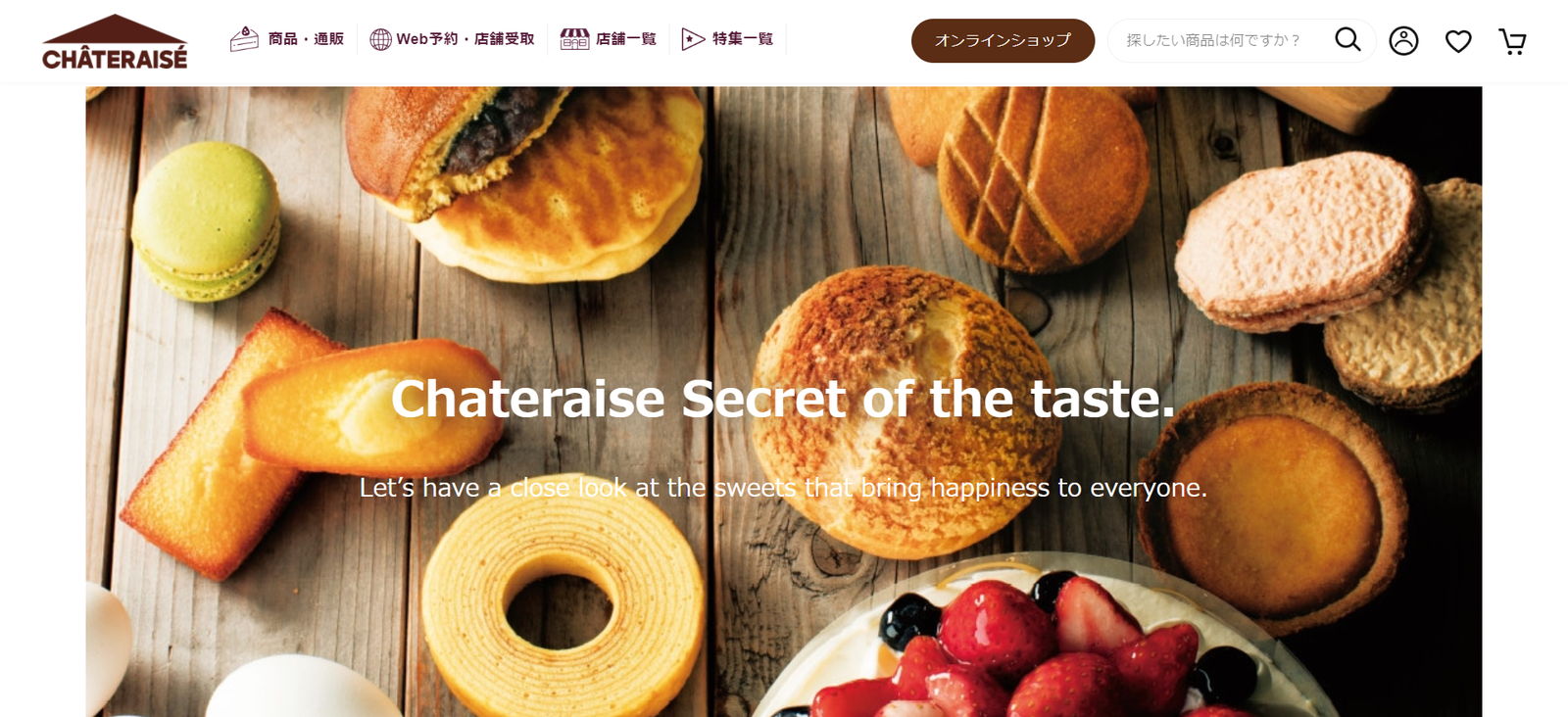
Chateraise is a Japan-born confectionery brand founded in Yamanashi in 1954, now operating over 180 locations internationally across Asia and the Middle East. This page covers its overseas expansion status, key operational features, and franchise contract types for international operators.
Overseas Franchise
Expansion Status
| Products and Services Offered | Western Sweets (Cakes, Cream Puffs), Japanese Sweets, Ice Cream, Baked Goods, Wine |
|---|---|
| Countries of Overseas Expansion | Singapore / Taiwan / Malaysia / Indonesia / Vietnam / Hong Kong / UAE, etc. (As of January 2025) |
| Number of Overseas Locations | Approx. 180+ stores (As of January 2025) |
| Franchise Contract Type | Master Franchise / Area Franchise |
Yamanashi Farms.
Japanese Factories.
180 Stores Worldwide.
Chateraise, established in 1954, is a confectionery manufacturer utilizing a unique "Farm Factory" system that integrates everything from raw material procurement to manufacturing and sales. The brand has built a robust supply chain where ingredients such as milk, eggs, water, and fruit are sourced directly from contract farmers, processed in its own factories, and delivered to stores.
This model eliminates intermediary distribution costs, enabling the brand to provide high-quality products at affordable prices. Currently, Chateraise is expanding its presence primarily in Asian markets as a brand positioned within an accessible price range for daily use.
Key Features of
the Overseas Franchise
No Middlemen.
The Price Shows It.
A defining feature of Chateraise is its integrated manufacturing and sales model that bypasses wholesalers. Typically, selling Japanese sweets overseas leads to price inflation due to transportation costs and intermediary commissions. However, by managing manufacturing and logistics in-house, Chateraise maintains appropriate and competitive retail prices.
This allows the brand to target a broad segment of the local middle-income population rather than just a wealthy few, leading to a stable and expansive customer base.
400 Products.
Every Occasion. Every Generation.
The brand offers a diverse range of over 400 products, including Western sweets like cakes and cream puffs, Japanese confections such as dorayaki, and ice cream, which sees high demand in the hot and humid regions of Asia.
This extensive lineup meets the needs of a wide range of generations, from children to the elderly. Furthermore, by capturing various consumption occasions—from gifts to daily desserts—the business model tends to support consistent store performance across different product cycles.
The Factory Is in Japan.
The Trust Travels with It.
Even in its international expansion, products are primarily manufactured in Chateraise's own factories in Japan and exported using flash-freezing technology.
The use of Japanese water and ingredients from contract farmers is a factor recognized in overseas markets where interest in food safety is high. This system of providing quality equivalent to that found in Japan contributes to brand trust in international markets.
Reviews from Store Visitors
"Has been buying their cakes and ice creams from different branches. The White Zebra cake is my favourite as I can't get sick of it."
"Their nama bitter choc and rich choc cake are worth trying — the tiramisu cake is good too."
"Whenever I have a desire for Hokkaido cream puffs, will visit this pastry shop. Their cream puffs resembled the ones I had at otaru and apparently, they said that their ingredients are imported from Japan. This time round I order the hot matcha and it's pretty good."
"Japanese style cakes and puffs. Good taste yet light and not too sweet. Quite some selection to crave. Good service and polite staffs. Good for eat at the spot or take away."
"the cream puffs we bought served as great snacks in office - we bought the mango flavoured puffs, and you could actually taste the mango pieces within; wasn't too sweet too."
Chateraise
Company Information
| Brand Name | Chateraise |
|---|---|
| Company Name | Chateraise Co., Ltd. |
| Head Office Location | 3440-1 Shimotsone-cho, Kofu-shi, Yamanashi |
| Date of Establishment | 1954 |
【Quick Poll】What's driving your interest in a Japanese food franchise?
※ Click to see how others voted.

That Is the Product.
I've covered Japanese dessert brands in markets where local competition is intense. What tends to hold up isn't the most elaborate product — it's the one that feels familiar enough to reach for repeatedly. For Chateraise, "not-too-sweet" and "tastes like it came from Japan" appears to be that combination across several very different markets.
What makes the model structurally interesting is the Farm Factory system — the fact that the price reflects direct procurement rather than costs passed down through intermediaries. In a category where quality and price typically move in opposite directions, that system does something specific that's worth noticing.