

TORIKIZOKU
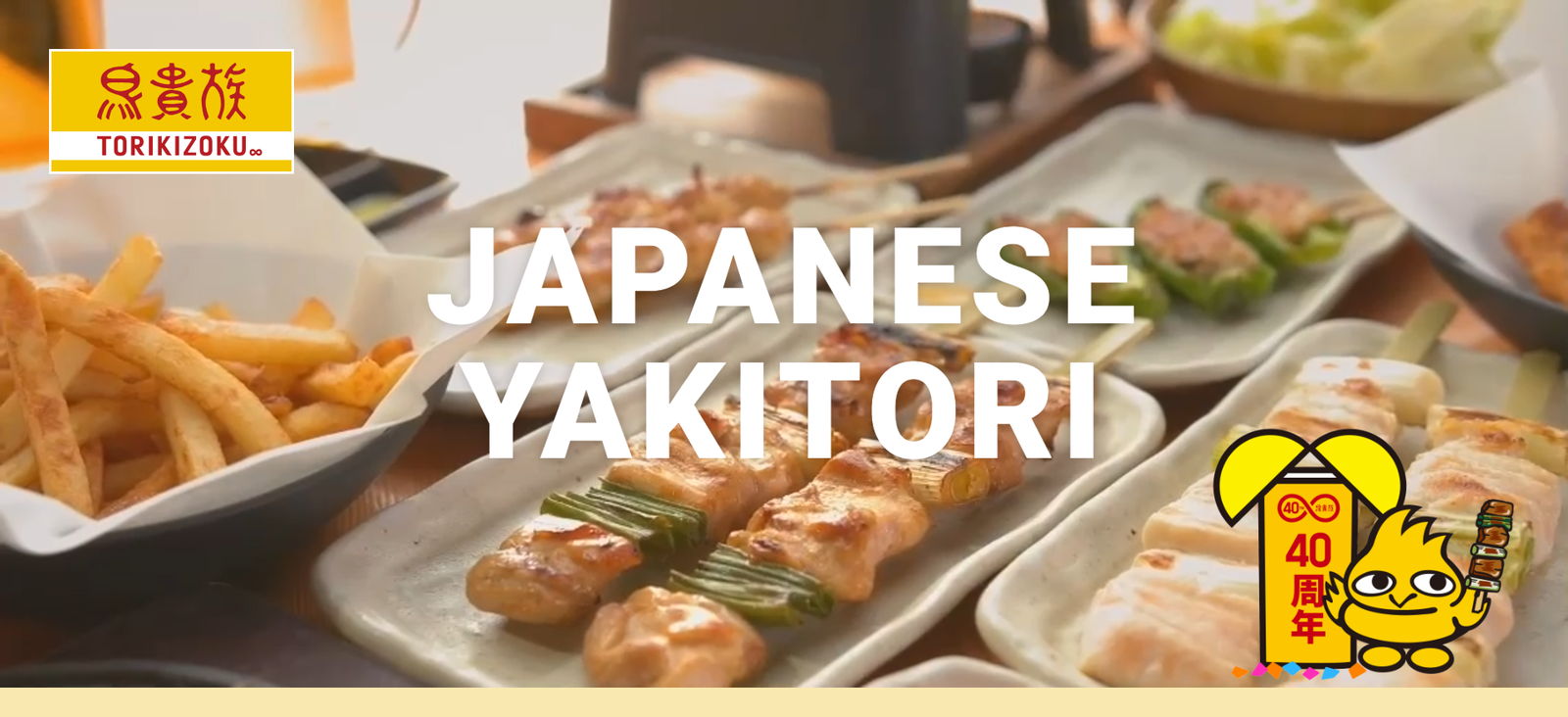
TORIKIZOKU is a Japan-born yakitori specialty brand founded in 1985, now operating 21 locations internationally across the USA, Taiwan, South Korea, Hong Kong, and Shanghai. This page covers its overseas expansion status, key operational features, and franchise contract types for international operators.
Overseas Franchise
Expansion Status
| Products and Services Offered | Yakitori, Kamameshi, Chicken Dishes, Alcoholic Beverages |
|---|---|
| Countries of Overseas Expansion | USA / Taiwan / South Korea / Hong Kong / Shanghai (As of January 2026) |
| Number of Overseas Locations | 21 stores (As of January 2026) |
| Franchise Contract Type | Directly Managed (USA) / Joint Venture (JV) / Master Franchise (Varies by country and area) |
The Yakitori That
Keeps It Simple. On Purpose.
Since its founding in 1985, TORIKIZOKU has adhered to its format as a yakitori specialist. After expanding within Japan, the brand launched its international expansion in 2024. It is currently opening locations in markets such as the United States, Taiwan, South Korea, and Hong Kong.
The brand is defined by its "Single Price Strategy," where menu items are offered at the same price, and a business model specialized in chicken, a widely consumed ingredient. By systemizing the yakitori preparation process and adopting clear pricing, the brand enables multi-unit expansion across diverse markets with fewer dietary constraints.
Key Features of
the Overseas Franchise
Larger Skewers. One Ingredient.
Done Right.
The flagship "Kizoku-yaki" consists of skewers that are larger than standard yakitori. Providing these portions at an affordable price point is a factor that makes overseas consumers perceive value surpassing the cost.
This price model is achieved through a mechanism that focuses menu items on chicken dishes to control procurement costs and reduce food waste. Furthermore, rather than relying on frozen ingredients processed in factories, the brand maintains quality control by using fresh local chicken and performing preparation and grilling within the store. This balance of price and quality sustains satisfaction and repeat business.
One Price.
No Language Needed.
The system of unifying menu prices provides transparency for customers and reduces the burden of accounting and inventory management in store operations.
This simplified structure helps shorten staff training periods and reduces the time needed to get new staff operational. It reduces the operational friction of managing stores across different languages and currencies — a practical advantage that becomes more visible as the network grows.
Chicken.
The Ingredient With No Borders.
Global demand for chicken is rising due to health consciousness and environmental considerations. Additionally, in regions where certain meats are restricted, chicken remains a widely accepted ingredient.
While focusing on chicken, TORIKIZOKU expands its reach with menu items such as kamameshi (kettle rice) and karaage (fried chicken). This gives the brand a menu range that tends to work across different consumption occasions — from solo visits to group dining.
Reviews from Store Visitors
"Quite a few dishes to choose from, and the taste is good."
"The skewers were good. The scallop and Harami beef stood out in particular. The yuzu shio ramen, cucumber salad and karaage were decent as well."
"The main dishes were well-prepared. Servers are attentive. A reservation is recommended."
"Yakitori in a cozy atmosphere — good for a casual night out."
TORIKIZOKU
Company Information
| Brand Name | TORIKIZOKU |
|---|---|
| Company Name | Eternal Hospitality Group Co., Ltd. |
| Head Office Location | Shiroyama Trust Tower, 4-3-1 Toranomon, Minato-ku, Tokyo |
| Date of Establishment | May 1985 |
【Quick Poll】What's driving your interest in a Japanese food franchise?
※ Click to see how others voted.



Every Table Gets It.
TORIKIZOKU entered overseas markets in 2024 — later than most brands on this list. Yakitori is a category that doesn't yet have a clear international leader. The single-price system isn't just a pricing mechanism; it removes the calculation step. Whatever language the menu is in, there's no mental arithmetic required — you already know what any order will cost.
What's structurally interesting is that the model relies on fresh local chicken rather than centralized frozen supply — which is unusual for a chain at this stage of international expansion. Whether that commitment to in-store preparation holds as the network grows is, perhaps, the more interesting question.