

Japanese Food Franchise in Philippines
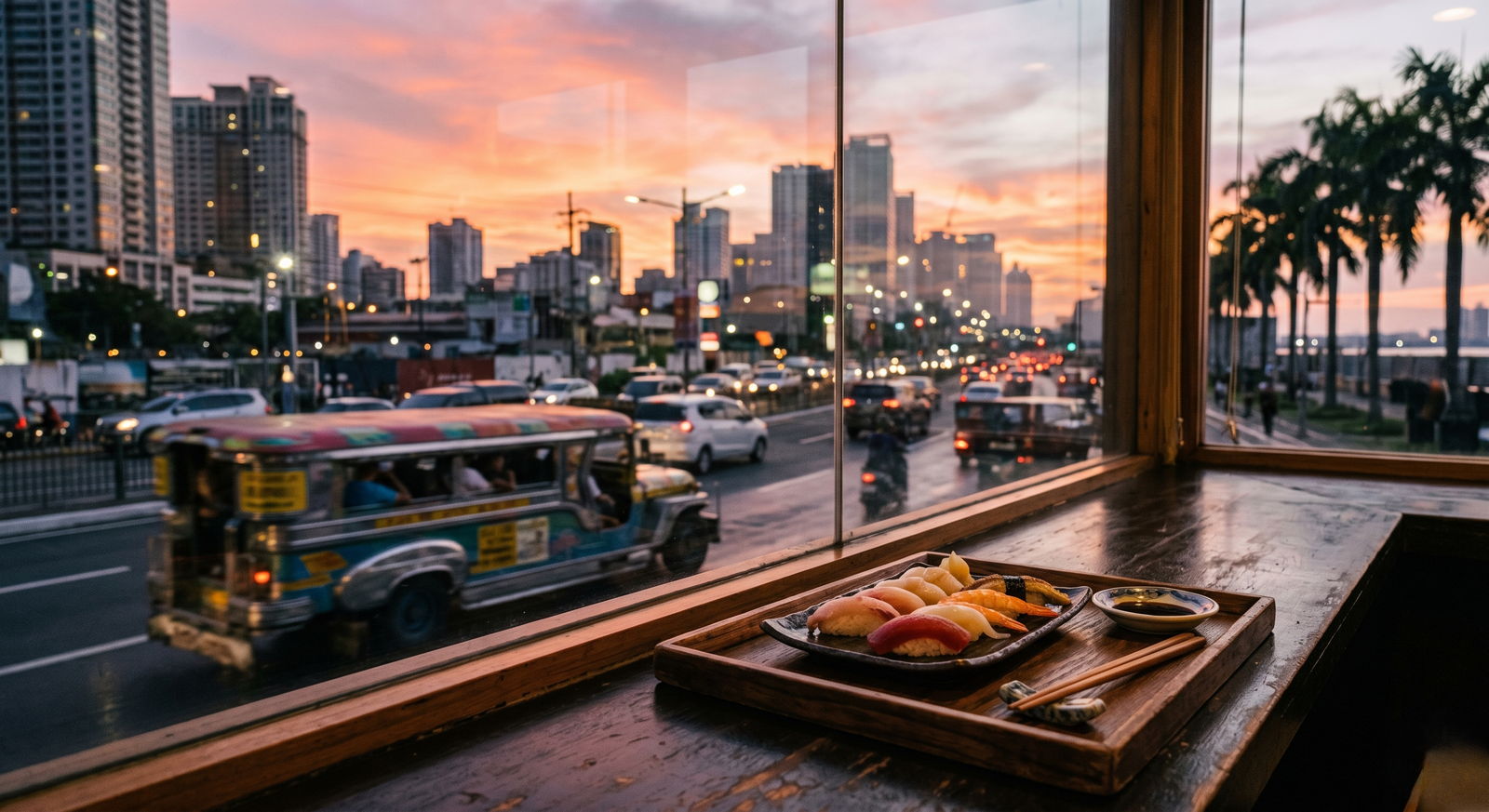
For those considering entry into the Japanese food franchise market in the Philippines, this page introduces the key features and backgrounds of both locally based and Japan-originated brands. In a market where demand for Japanese food has taken root across generations, use this overview to compare each brand's track record and operational model as a reference for choosing the right fit for your business.
Japanese Food Franchise Brands
Operating in the Philippines
Tokyo Tokyo
Franchise Overview
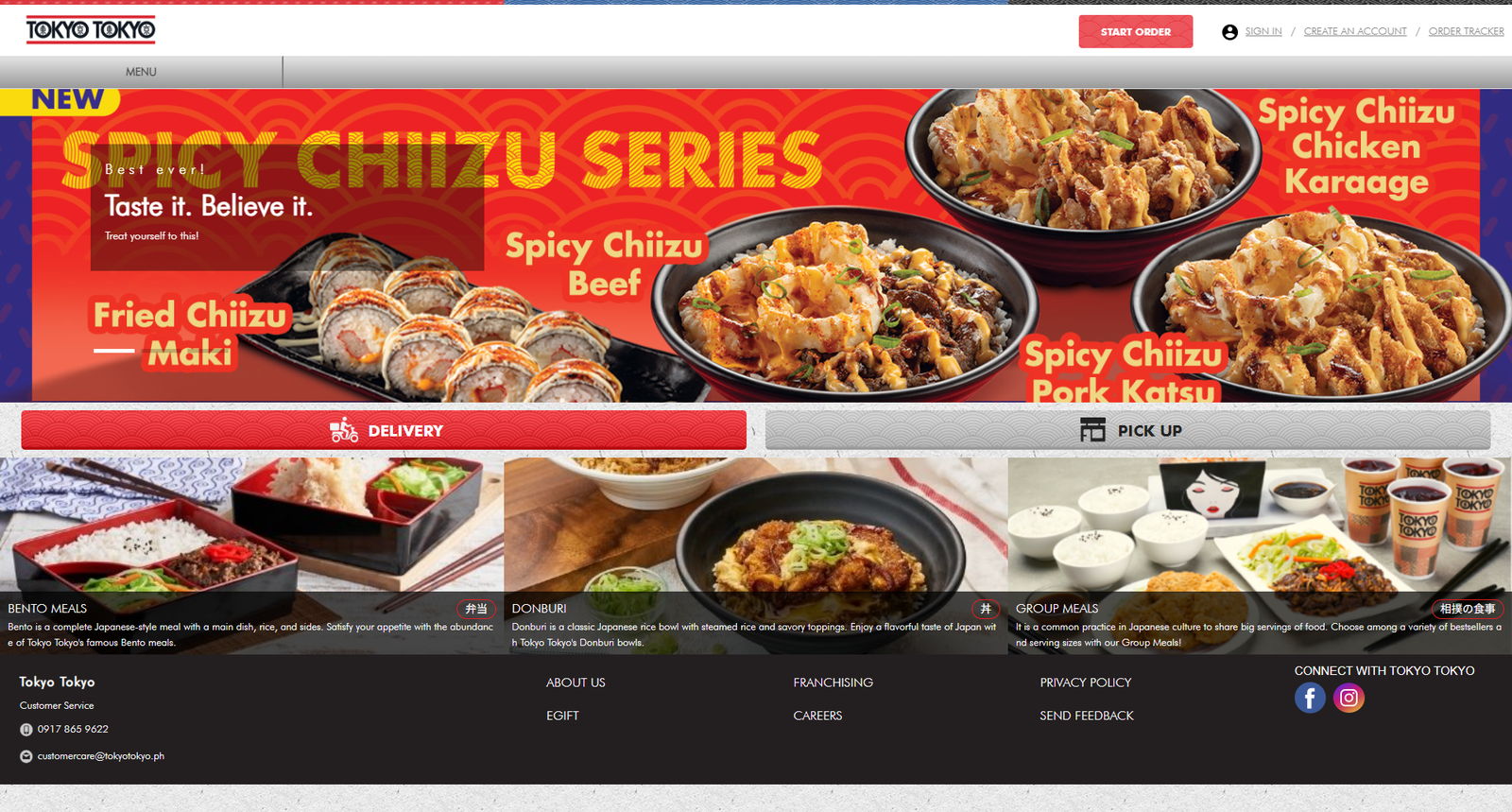
Opening its first location in 1985 at the Quad Carpark in Makati (now Park Square 1), Tokyo Tokyo is a Philippine-born Japanese food chain. The brand combines the convenience of fast food with the style of Japanese cuisine, and has developed to suit the Philippine market since its founding. Built around Japanese staples such as tempura, teppanyaki, and katsu bento sets, its long-standing unlimited rice offering has been one of the features supporting sustained customer loyalty. The brand is currently operated by Hansbury, Inc. under One Food Group, part of the same group as the Philippine operations of KFC and Mister Donut.
Brand Recognition in the Philippines
The brand currently operates more than 80 locations across the Philippines, maintaining a store network that spans Metro Manila and provincial cities alike. Rooted in the market for nearly 40 years since its 1985 founding, it is remembered by many Filipinos as one of the first brands through which they experienced Japanese food.
Franchise Membership at a Glance
The brand operates primarily on a mall inline format, requiring a minimum floor area of 160 square meters. The franchise term is 10 years. The estimated initial investment, including store construction and equipment costs, starts from PHP 10 million.
| Estimated Total Initial Investment | From PHP 10M (including store construction and equipment) |
|---|---|
| Franchise Fee | PHP 1.2M |
| Royalty Fee | 5% of gross sales |
| Advertising Fee | 5% of gross sales |
Reference: Tokyo Tokyo official website | As of June 2026 (https://www.tokyotokyodelivery.ph/franchising)
Tokyo Tokyo
Company Information
| Operating Company | Hansbury, Inc. |
|---|---|
| Head Office Location | 7F Ramcar Center Bldg., 80-82 A. Roces Ave., Diliman, Quezon City, Philippines |
| Franchise Inquiry Page | https://www.tokyotokyodelivery.ph/franchising |
Takoyadon
Franchise Overview
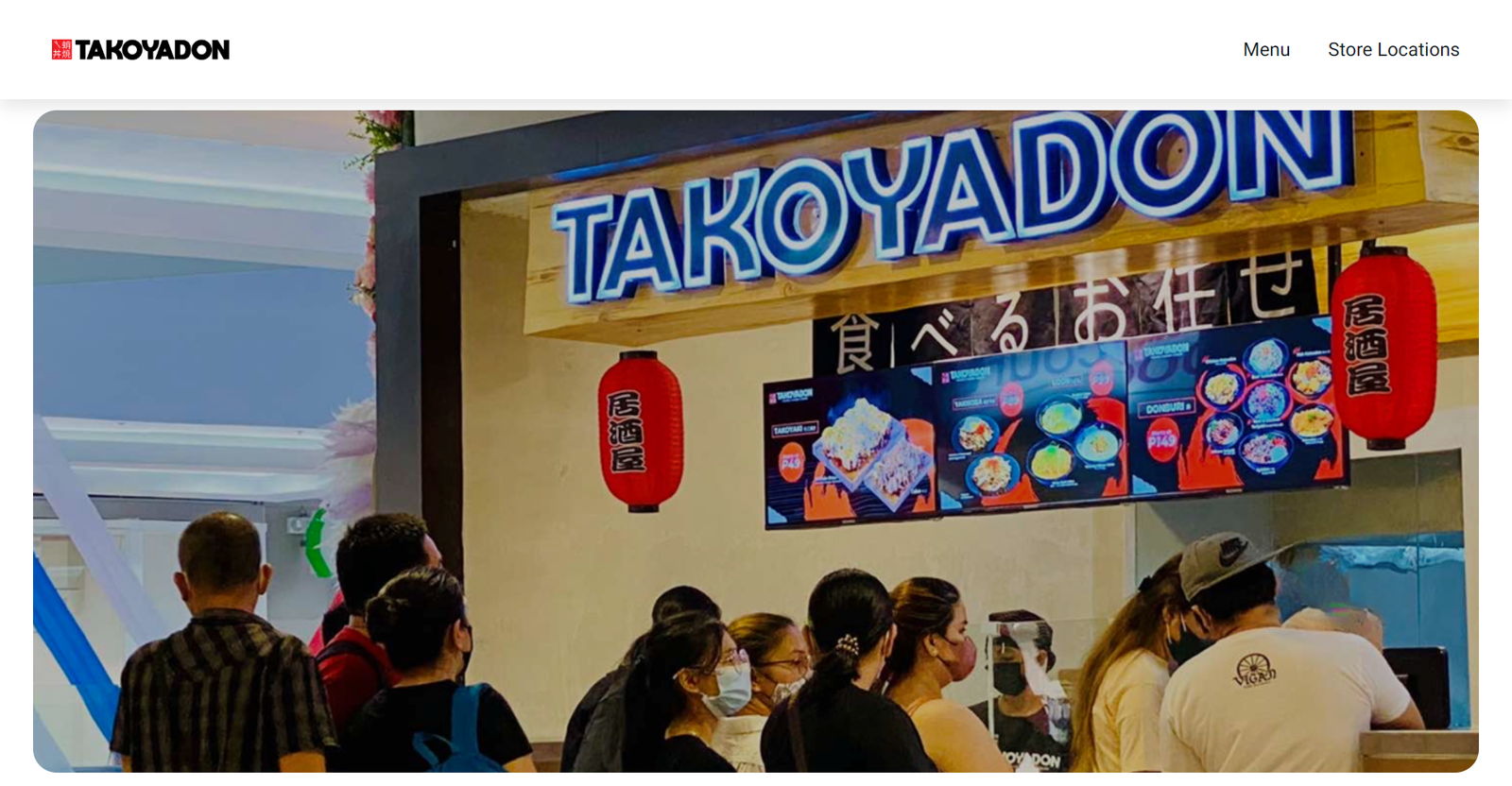
Takoyadon is a Philippine-born Japanese food chain offering takoyaki, yakisoba, rice bowls, ramen, and more at accessible price points. As the flagship brand of Nego Food Solution Corp., which operates multiple food service brands, it has grown from a single food stall to more than 80 locations nationwide. Under the concept of delivering Japanese flavors quickly and affordably, the brand operates in a fast-casual format positioned between quick service and casual dining, serving as an entry point to Japanese food primarily through mall locations across the Philippines.
Brand Recognition in the Philippines
The brand operates more than 80 locations across the Philippines, partnering at the corporate level with major mall operators such as SM and Robinsons to secure placements in food courts and high-traffic areas. Its accessibility, with ramen offered from PHP 199, has broadened the base of consumers who enjoy Japanese food as an everyday option, making it one of the brands raising its profile in the Philippine fast-casual Japanese food category.
Franchise Membership at a Glance
The brand operates primarily in mall food courts and high-traffic areas, with a recommended minimum store area of 100 square meters (30㎡ kitchen and 70㎡ seating). The head office supports franchisees in sourcing and securing store locations through its partnerships with major malls.
| Estimated Total Initial Investment | From PHP 2.5M (depending on location and store size) |
|---|---|
| Franchise Fee | PHP 600K (PHP 300K during campaign periods) |
| Royalty Fee | 5% monthly (3% during campaign periods) |
| Standard Store Area | From 100㎡ (30㎡ kitchen + 70㎡ seating) |
*Discounts on the franchise fee and royalty are based on a limited-time program published on the official website.
Reference: Nego Food Solution Corp. official website | As of July 2026 (https://negofoodsolution.com/takoyadon/)
Takoyadon
Company Information
| Operating Company | Nego Food Solution Corp. |
|---|---|
| Head Office Location | Las Piñas City, Philippines |
| Franchise Inquiry Page | https://www.takoyadon.com/ |
Yaki Yaki
Franchise Overview
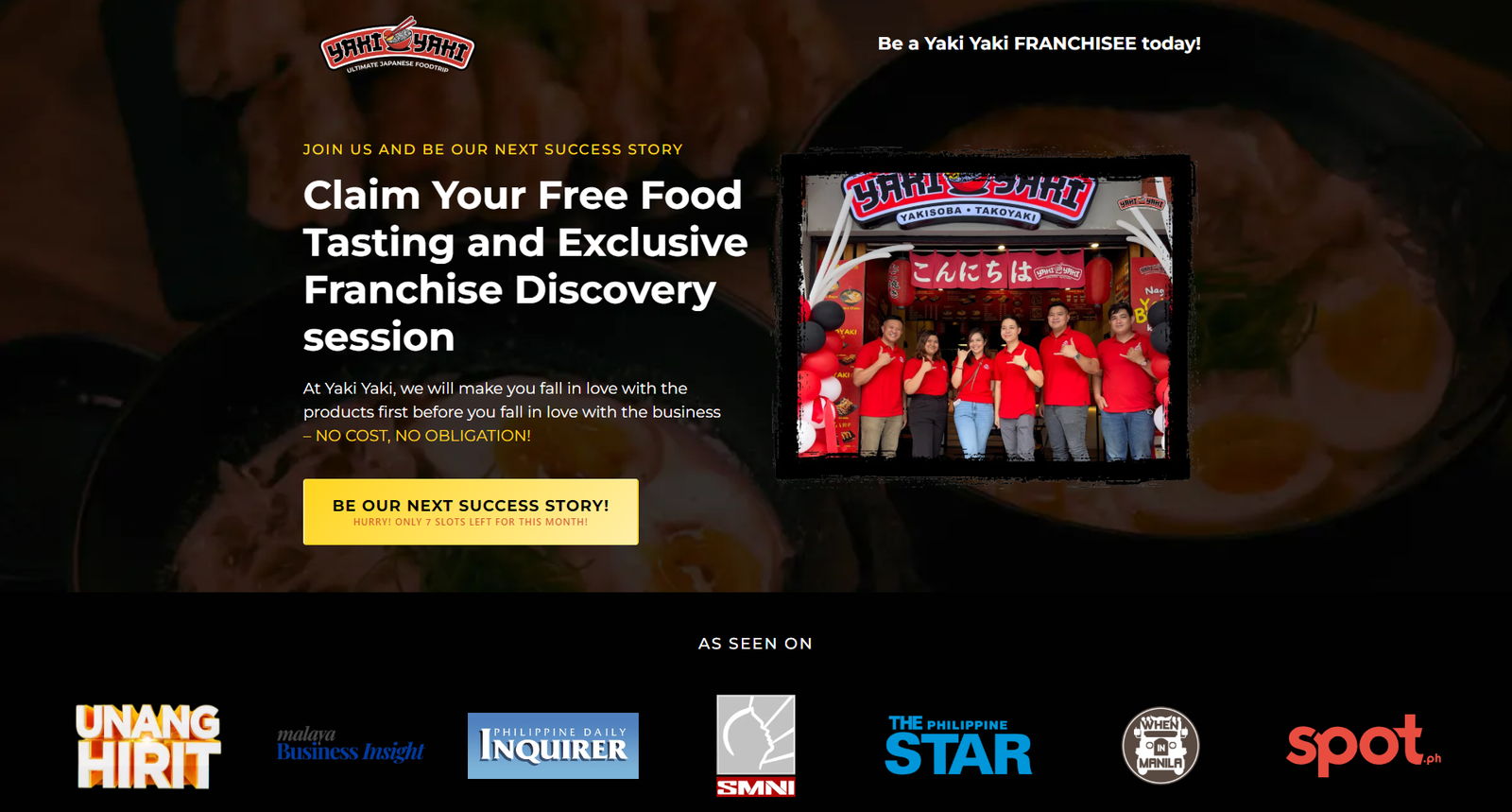
Founded during the pandemic, Yaki Yaki is a Philippine-born Japanese food chain that expanded to 40 locations in just two years. The brand offers ramen, fried chicken, gyoza, takoyaki, and more at accessible price points, and supports multiple store formats including food courts, kiosks, and food trucks. Registered as a member brand of the Philippine Franchise Association (PFA), it has established a framework that allows franchisees to access financing support through the BPI KaNegosyo loan.
Brand Recognition in the Philippines
Centered on Metro Manila, the brand continues to open flexibly both inside and outside malls. A business format that keeps investment costs manageable, combined with a multi-site commissary system, is cited as one of the main factors behind its rapid expansion. The brand was founded during the pandemic, a period when TikTok spread rapidly in the Philippines, and its style of offering anime-familiar dishes such as ramen, gyoza, and takoyaki at kiosk prices spread among younger consumers through social media.
Franchise Membership at a Glance
The brand supports multiple store formats, including food courts, kiosks, inline stores, and food trucks. Sourcing is unified through a single supply from its commissary.
| Total Franchise Package | PHP 1M–4M (depending on store format) |
|---|---|
| Franchise Fee | PHP 250K–350K |
| Sourcing Method | Single supply from commissary |
Reference: Yaki Yaki official website | As of June 2026 (https://yakiyakiph.com/)
Yaki Yaki
Company Information
| Operating Company | Tastexperts, Inc. |
|---|---|
| Head Office Location | 6/F Nasson Bldg., 8467 West Service Road, Sun Valley Bicutan, Paranaque City, Philippines |
| Franchise Inquiry Page | https://yakiyakiph.com/ |
Japanese Food Franchise Brands
Originating from Japan
This section covers brands that have earned long-standing support in Japan, introducing the background behind each concept and its track record in the Philippines.
GENKI SUSHI

Brand Overview and History
Founded in 1968, GENKI SUSHI is one of the pioneers of Japan's conveyor-belt sushi chains. Guided by its founding philosophy of letting more people enjoy authentic sushi more casually, the brand made its first overseas move in Hawaii in 1992. It is known for an early, fully automated operating model that combines touchscreen ordering with an express lane delivery system, reducing front-of-house workload while achieving high table turnover. Combined with a system that centrally manages ingredient supply to each location, this enables multi-unit expansion that maintains consistent quality without relying on specialized culinary skill, supporting a presence across more than 10 countries and roughly 200 locations (as of December 2024).
Brand Recognition in the Philippines
In September 2015, the brand entered the Philippine market with a location in Bonifacio Global City (BGC), becoming one of the first brands in the Philippines to introduce an express lane ordering system. As of November 2024, it operates 13 locations centered on major Metro Manila malls including SM Megamall, SM Mall of Asia, and One Ayala, and has extended its store network to provincial cities such as Baguio (based on the store list posted on official social media). Its presence in both SM and Ayala group malls reflects the fit between the Philippine dining market, where high turnover is required in dense mall environments, and the brand's fully automated operating model.
Franchise Membership at a Glance
The brand pursues overseas expansion through master franchise and area license formats. Specific costs for opening a franchise are not publicly disclosed; please inquire directly.
Reference: GENKI SUSHI official website (Genki Global Dining Concepts) | As of December 2024 (https://www.genki-gdc.co.jp/)
GENKI SUSHI
Company Information
| Operating Company | Genki Global Dining Concepts Corporation |
|---|---|
| Head Office Location | 19F Ueno Frontier Tower, 3-24-6 Ueno, Taito-ku, Tokyo, Japan |
| Franchise Inquiry Page | https://www.genki-gdc.co.jp/ |
BOTEJYU®
Brand Overview and History
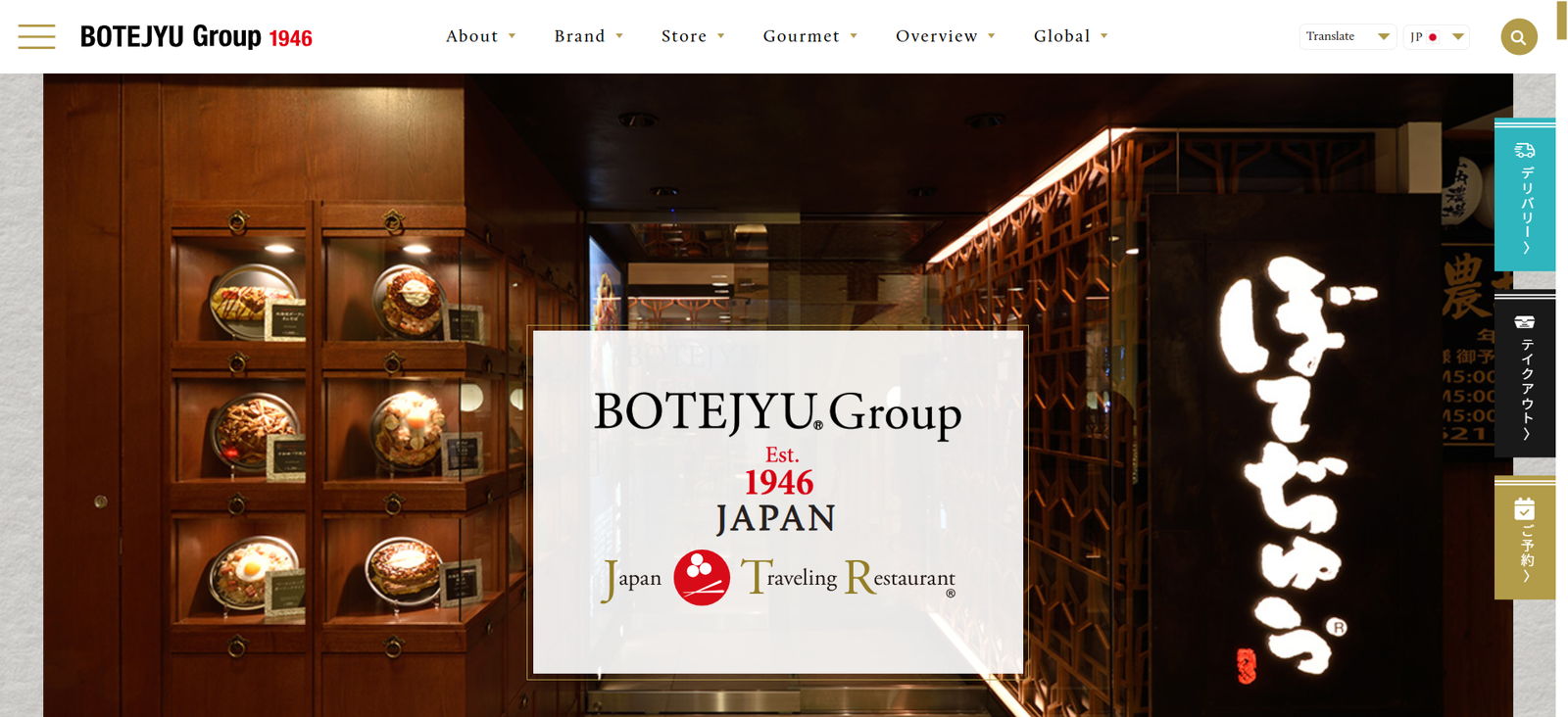
Founded in Osaka in 1946, BOTEJYU® is an okonomiyaki and teppanyaki specialty chain. The brand is known for establishing the style of pairing okonomiyaki with mayonnaise and for creating a new category known as "modan-yaki." Built around the food culture of Osaka and the Kansai region, the brand operates under a "Japan Travelling Restaurant" concept that offers regional Japanese specialties from across the country in a single store. Its broad menu, spanning okonomiyaki, teppanyaki, takoyaki, ramen, and rice-based dishes, translates into an ability to serve a wide range of customer tastes. Backed by more than 70 years of domestic track record, the brand has put down deep roots in the Philippine market through partnerships with local operators.
Brand Recognition in the Philippines
BOTEJYU®'s overseas expansion has been concentrated largely in the Philippines. As of January 2026, its overseas store count exceeds 98 locations, of which more than 90 are located in the Philippines, making the country effectively the brand's primary overseas market. With shopping malls as its main base, the brand has built a customer base centered on younger and family demographics. That a brand with a history dating to 1946 chose to invest in the Philippine market and grew it to a scale of 90 locations serves as concrete evidence of the fit between this brand and this market.
Franchise Membership at a Glance
The brand expands through master franchise, area franchise, and joint venture (JV) formats. Specific costs for opening a franchise are not publicly disclosed; please inquire directly.
Reference: BOTEJYU® official website | As of January 2026 (https://botejyu.co.jp/global_japan/)
BOTEJYU®
Company Information
| Operating Company | BOTEJYU® Group Holdings Inc. |
|---|---|
| Head Office Location | BOTEJYU® Group Bldg., 2-1-11 Kishinosato-Higashi, Nishinari-ku, Osaka, Japan |
| Franchise Inquiry Page | https://botejyu.co.jp/global_japan/ |
Beard Papa's
Brand Overview and History
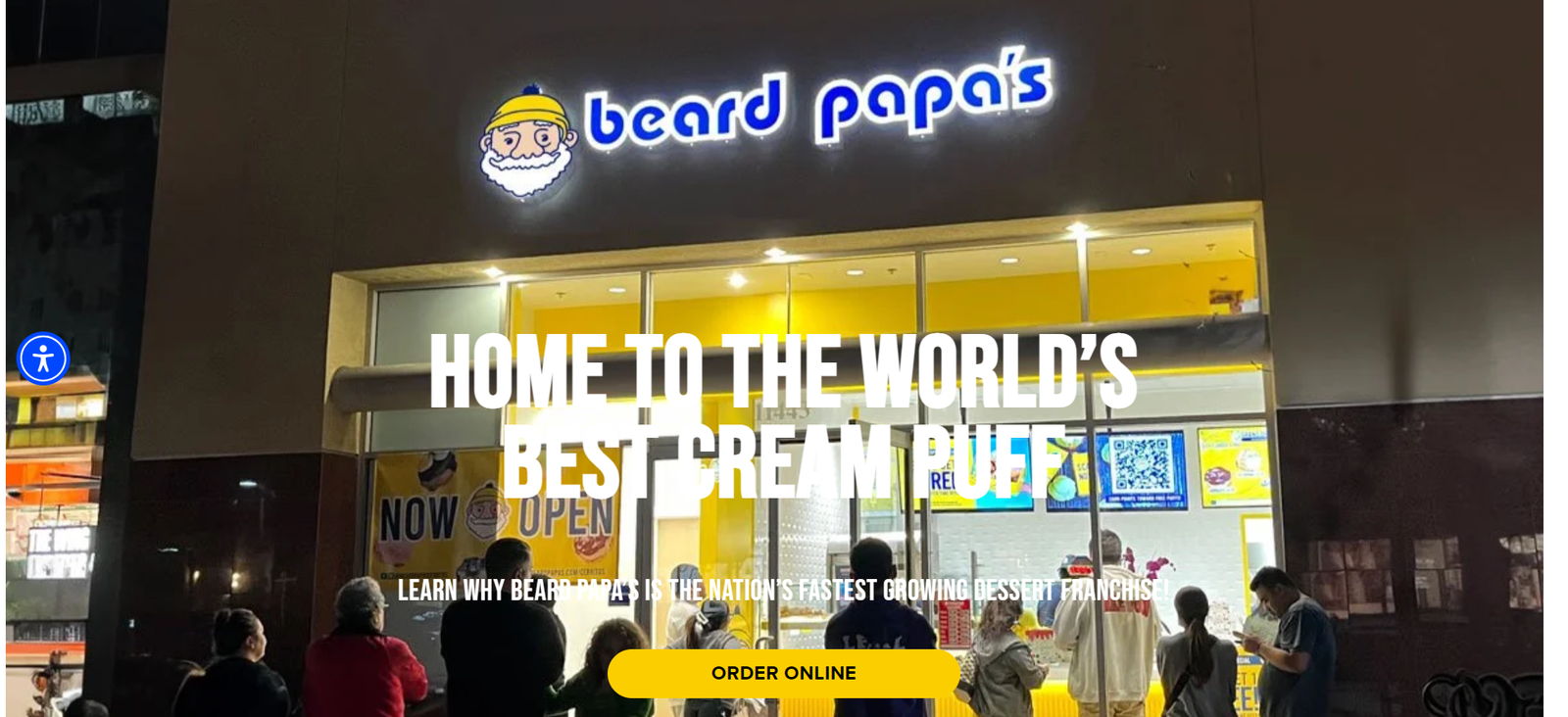
Founded in Osaka in 1999, Beard Papa's is a cream puff specialty chain. At the core of the brand is a single principle: filling each puff with cream only after it is ordered. By injecting cream into freshly baked shells after the order is placed, this method delivers a texture matched to the moment of eating, functioning as a way to differentiate a simple product like the cream puff. The combination of lightly sweetened custard cream and a crisp puff shell won acceptance even in Western markets where richer desserts were the norm, and following its first overseas store in Hong Kong in 2001, the brand expanded to the United States, China, Taiwan, Thailand, the Philippines, Indonesia, and beyond. As of February 2025, it counts more than 220 overseas locations.
Brand Recognition in the Philippines
The brand first entered the Philippines in 2006, continuing to expand through major Metro Manila malls such as Glorietta (Ayala Center) and SM Megamall. After a period of absence from the Philippine market, its 2019 return at Glorietta 2 drew a response strong enough to form lines from the moment it opened. The brand also offers Philippine-specific flavors such as ube (purple yam) cream puffs, and together with its "fill the cream after ordering" style, it has taken root as an established experience for Filipino consumers.
Franchise Membership at a Glance
The brand expands through master franchise and area franchise formats. Specific costs for opening a franchise are not publicly disclosed; please inquire directly.
Reference: Beard Papa's official website | As of February 2025 (https://www.beardpapas.com/franchise)
Beard Papa's
Company Information
| Operating Company | DAY TO LIFE Co., Ltd. |
|---|---|
| Head Office Location | 2F AS Bldg., 3-13-20 Nishitenma, Kita-ku, Osaka, Japan |
| Franchise Inquiry Page | https://www.beardpapas.com/franchise |
How to Choose a Japanese Food
Franchise Brand in the Philippines
Both locally based and Japan-originated brands bring distinct strengths to the table. Here are three perspectives to consider when evaluating Japan-originated brands.
Why Filipino Diners Can Tell the Real Thing
As of the end of 2025, 356,579 Filipinos were living in Japan※1. Some of them have also worked in Japan's food service and other service industries, experiencing Japanese food culture as part of daily life. That experience does not disappear after they return home. The Philippine dining market contains consumers who have directly experienced Japanese food culture. When choosing a brand to franchise, whether that brand can keep being chosen by this consumer segment is one useful criterion. Whether the seasoning, the service, and the atmosphere of a store match what they know from Japan is something this group can judge from experience. Brands with a track record in Japan have proven through their history that they can hold up to that scrutiny.
※1 Immigration Services Agency of Japan, "Number of Foreign Residents at the End of 2025" | As of the end of 2025 (https://www.moj.go.jp/isa/publications/press/13_00062.html)
Demand for Japanese Food Holds Even as Younger Generations Turn Over
In the Philippines, Japanese food ranks as the second most chosen cuisine among Gen Z when dining out, behind Western food※2. This generation numbers roughly 41 million, making up nearly 40% of the population and placing it at the center of the market※3. Behind this lies a familiarity with Japanese culture fostered through anime. The Philippines has a high rate of anime viewership even within Asia, with one survey indicating that more than one in three people watch it※4. The flow of choosing, in actual dining, the dishes whose names people first learned on screen is what supports younger generations' demand for Japanese food. With new generations entering the market every year, this demand has a character different from a temporary trend.
※2 INTAGE "Global Viewer," food preferences of Gen Z in the Philippines (https://www.global-market-surfer.com/pickup/detail/577/)
※3 Philippine Statistics Authority, 2020 Census (https://business.inquirer.net/476577/)
※4 Statista "Anime Finds Fans Across Asia and Latin America" (https://www.statista.com/chart/35352/)
Whether the Menu Fits the Daily Meals of a Rice-Eating Country
The Filipino table centers on rice. As symbolized by the fact that Tokyo Tokyo's unlimited rice offering has been supported for 40 years, Japanese food has been received in this country not as "foreign cuisine" but as "a dish that goes with rice." Rice bowls, katsu, teriyaki, fried chicken — the core menus of locally born brands are all built around compatibility with rice. This perspective is useful when evaluating Japan-originated brands as well. Brands with a lineup that meshes with Filipino eating habits — GENKI SUSHI, which competes with sushi, a rice dish in itself, or BOTEJYU®, which covers everything from okonomiyaki to rice-based dishes — can work their way into the everyday set of options rather than remaining a special-occasion treat. The exception is Beard Papa's, which took root through the entry point of dessert, outside the meal itself; but that, in turn, means that for a meal-based brand, the fit with rice culture is what shapes whether it takes hold. Where, within a Filipino's everyday meals, does a brand's flagship menu belong? It is worth choosing a brand with that level of clarity.

In the Philippines, Japanese food has worked its way in not as a special-occasion treat but as something people eat every day! I think Tokyo Tokyo's unlimited rice being supported for 40 years is the symbol of that. There are people who've worked in Japan and come home, Gen Z is comfortable with Japanese food through anime, and on top of that the original food culture is rice-centered, so it all fits. These conditions rarely line up in one country.
So it actually makes a lot of sense that BOTEJYU® has concentrated nearly all of its overseas expansion here. A brand founded in 1946 committed fully to a market where Japanese food can be an everyday option rather than a special-occasion one, and that decision shows in the result of 90 locations. Running a franchise with that kind of brand means you get to start with that whole context behind you — to me, that's a genuinely interesting choice.